
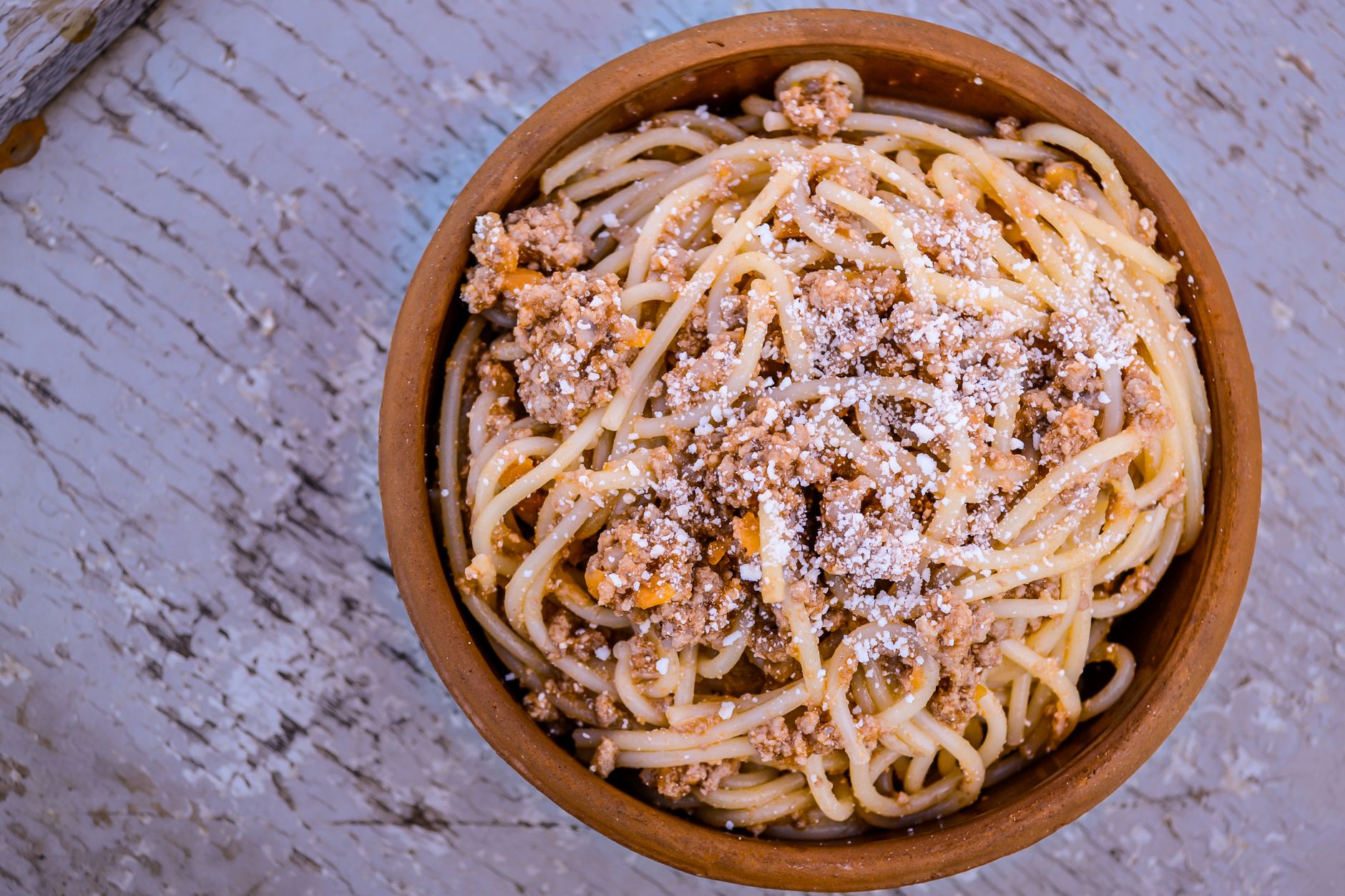
Cooked spaghetti is a staple in many kitchens, offering versatility and ease for quick meals. One common question that arises is about its shelf life in the fridge. Understanding how long cooked spaghetti lasts can help you manage your food storage efficiently, reduce waste, and ensure safety.
In this article, we’ll explore the ideal storage duration for cooked spaghetti in the refrigerator, factors affecting its shelf life, storage tips, and signs of spoilage. Whether you’re meal-prepping for the week or just have leftovers from dinner, knowing how to store cooked spaghetti properly can maximize its freshness.
How Long Can Cooked Spaghetti Last in the Fridge?
Cooked spaghetti can last in the fridge for about 3 to 5 days when stored properly. Factors such as the initial cooking method and how well it’s stored can affect its shelf life. Always check for signs of spoilage before consuming.
Factors That Affect the Shelf Life of Cooked Spaghetti
Several elements can influence how long cooked spaghetti stays fresh in the fridge:
- Storage Method: Properly sealing the spaghetti in an airtight container can prolong its shelf life. Exposure to air can lead to quicker spoilage.
- Ingredients Used: If you add ingredients like cream, cheese, or meat, they can shorten the shelf life. Sauces can also have varying impacts on freshness.
- Fridge Temperature: Keeping the refrigerator at or below 40°F (4°C) is crucial for food safety. Higher temperatures can speed up spoilage.
- Initial Cleanliness: If the spaghetti was prepared in a clean environment and stored promptly, it will last longer than if it was left out at room temperature for too long.
Storage Tips for Cooked Spaghetti
To maximize the freshness of cooked spaghetti, follow these storage recommendations:
- Cool Before Storing: Allow the spaghetti to cool to room temperature before sealing it in a container. This reduces condensation and helps maintain quality.
- Airtight Containers: Use containers that are airtight to prevent moisture and air from entering. Vacuum sealing is also an excellent option.
- Label and Date: Mark your containers with a date to keep track of freshness. This helps ensure you consume the spaghetti within its safe shelf life.
- Portion It Out: If you want to save some for later meals, consider portioning it into smaller containers. This can help you minimize waste.
Signs of Spoilage in Cooked Spaghetti
Identifying spoiled spaghetti can help prevent foodborne illnesses. Look for the following signs:
- Off Smell: A sour or off odor is often the first indication of spoilage.
- Visual Mold: Any visible mold or unusual growth on the spaghetti should signal that it is no longer safe to eat.
- Textures Changes: If the spaghetti has become slimy or overly dried out, it’s best to discard it.
- Unusual Color: Changes in color, such as significant discoloration or dark spots, can indicate spoilage.
How to Reheat Leftover Cooked Spaghetti
When it comes to reheating cooked spaghetti, there are several methods you can use to preserve its texture and flavor:
Stovetop Method
- Add a small amount of water or sauce to a pot.
- Heat over medium heat, stirring occasionally.
- Once heated through, serve immediately.
Microwave Method
- Place the spaghetti in a microwave-safe container.
- Add a splash of water to keep it moist.
- Cover the container (a microwave-safe lid or a damp paper towel works well) to trap steam.
- Heat on high for 1-2 minutes, checking regularly until heated through.
Oven Method
- Preheat the oven to 350°F (175°C).
- Spread the spaghetti in a baking dish and cover with aluminum foil.
- Bake for about 15-20 minutes, until heated through.
Common Mistakes When Storing Cooked Spaghetti
Avoid these pitfalls to ensure your spaghetti remains fresh:
- Leaving it Out Too Long: Don’t let cooked spaghetti sit at room temperature for more than two hours, as bacteria can grow rapidly in that time.
- Not Sealing Properly: Using containers that aren’t airtight allows for air and moisture intrusion, which can cause spoilage.
- Reheating Multiple Times: Each time you reheat, you risk increasing bacteria and diminishing quality. Only reheat what you plan to eat.
Meal Planning with Cooked Spaghetti
Cooked spaghetti can be incorporated into meal planning, making it a convenient option for busy days. Here are a few tips:
- Make a Big Batch: Cook a large quantity at once and portion it out for different meals throughout the week.
- Use Creative Leftover Recipes: Leftover spaghetti can be transformed into baked spaghetti casseroles, spaghetti frittatas, or cold pasta salads.
- Plan Sauces Ahead: Pair cooked spaghetti with pre-prepared sauces to save time. Consider making a batch of marinara, pesto, or a creamy sauce for variety.
Frequently Asked Questions
Here are some common questions about cooked spaghetti storage and safety:
Can I freeze cooked spaghetti?
Yes, cooked spaghetti can be frozen for extended storage. Place it in airtight containers or freezer bags, and it can last for up to 2 months in the freezer.
Can I eat spaghetti that’s been in the fridge for a week?
Generally, it’s not recommended to eat cooked spaghetti that has been in the fridge for more than 5 days due to safety concerns. Always check for signs of spoilage.
What is the best way to store spaghetti with sauce?
If storing spaghetti with sauce, mix them together to prevent sticking. Store in an airtight container and consume within the same 3-5 day timeframe.
How do I know if spaghetti is still good?
Look for off smells, visible mold, slimy texture, or discoloration. If it has any of these signs, it’s best to discard it.
Conclusion
Knowing how long cooked spaghetti lasts in the fridge is crucial for ensuring food safety and minimizing waste. By following proper storage techniques and being vigilant about signs of spoilage, you can enjoy your leftovers without worry. For best practices in food storage, consider additional resources like how long cooked chicken lasts in the fridge or how long is ground beef good for in the fridge.
Explore more culinary tips and recipes to make the most of your cooking adventures, whether it’s ideas for meal prep, creative recipes, or food storage guidance.