
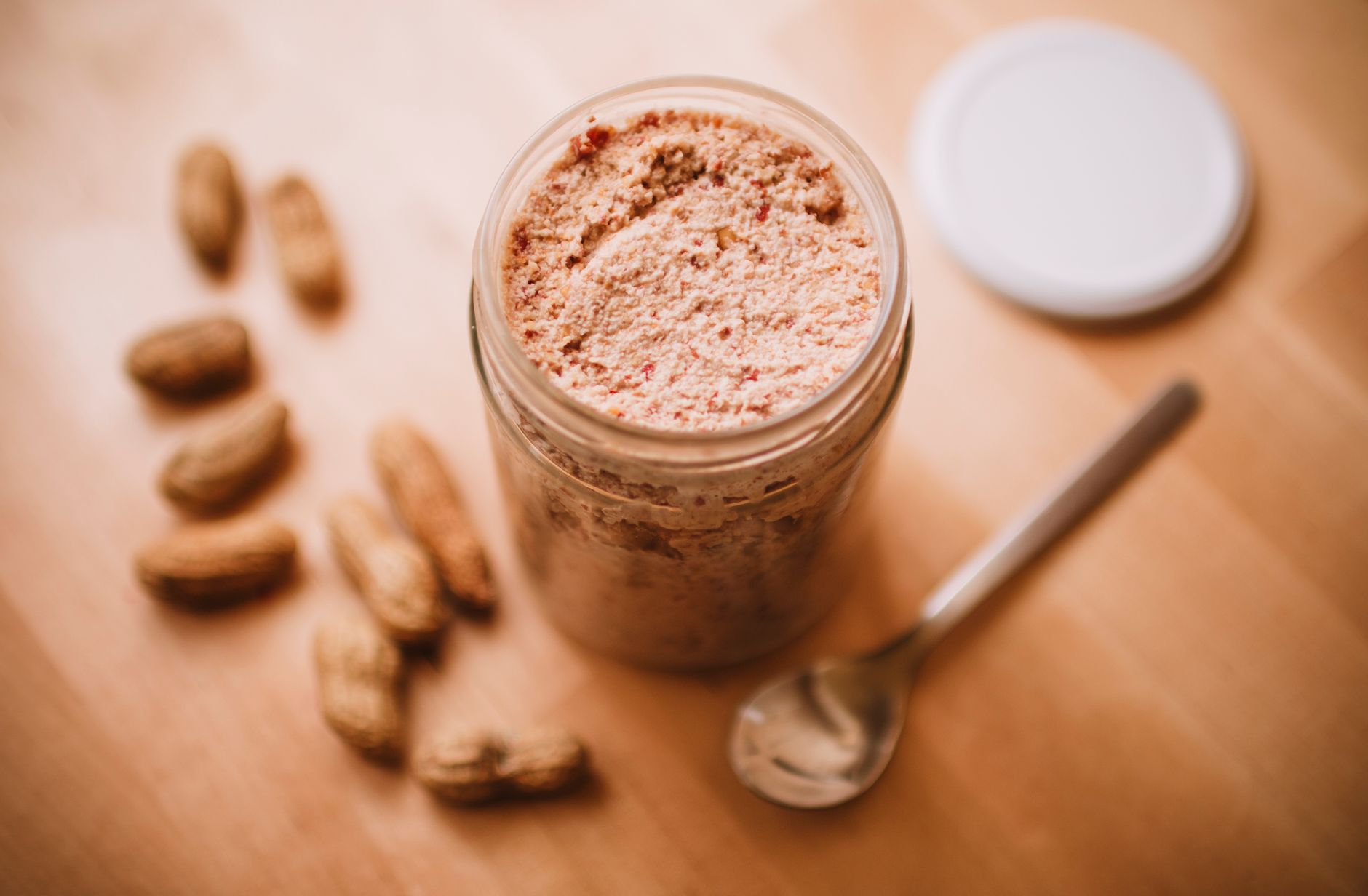
Homemade peanut butter is a delicious and versatile spread that can elevate your breakfast, lunch, or snack game. It’s creamy, nutty, and doesn’t contain any preservatives or additives. However, once you whip up a batch, you might wonder how long this tasty concoction will last. Understanding the shelf life and proper storage techniques will help you maintain its freshness.
This guide delves into the longevity of homemade peanut butter, including storage tips, signs of spoilage, and ways to extend its freshness. Whether you’re spreading it on toast or using it as an ingredient in your favorite recipes, keeping your homemade peanut butter in optimal condition is essential.
How Long Does Homemade Peanut Butter Last?
Homemade peanut butter typically lasts for about two to three weeks when stored properly at room temperature. If you choose to refrigerate it, the shelf life can extend to three months or even longer. The key factors that affect its durability include the ingredients, storage conditions, and whether you’re using oils or additives.
Factors Influencing Shelf Life
Several factors play a role in how long your homemade peanut butter will stay fresh. Understanding these factors can help you manage and store your peanut butter more effectively.
Ingredients Used
The primary ingredients in homemade peanut butter are peanuts and salt. However, if you include additional ingredients like sweeteners or oils, these can impact the shelf life. Using roasted, unsalted peanuts will yield a longer-lasting product than mixed varieties. Natural additives generally have shorter shelf lives.
Storage Conditions
Storage plays a significant role in determining how long your homemade peanut butter lasts. Storing it in a cool, dark place will help preserve its freshness. Consider where you keep it: temperature fluctuations or exposure to light can decrease longevity.
Hygiene and Handling
Proper hygiene during preparation and handling can significantly affect your peanut butter’s freshness. Always ensure that utensils are clean and dry before scooping, and avoid double-dipping to prevent contamination.
Optimal Storage Methods
To maximize the lifespan of your homemade peanut butter, you should consider the best storage methods. Below are the options compatible with homemade peanut butter.
Room Temperature Storage
When stored at room temperature, homemade peanut butter will last for two to three weeks. Follow these tips for proper room temperature storage:
- Use an airtight container to minimize exposure to air and moisture.
- Keep it in a cool, dry area away from direct sunlight and heat sources.
- Avoid using metal containers, which can react with the natural oils in peanuts.
Refrigerator Storage
Refrigerating your homemade peanut butter can extend its shelf life up to three months or more. Here’s how to store it in the fridge:
- Transfer it to a glass or plastic container with a secure lid.
- Store it on a middle shelf where the temperature is stable.
- Let the peanut butter come to room temperature before using it, as it can become harder to spread when cold.
Freezer Storage
If you want to keep your homemade peanut butter for an extended period, you can freeze it. Here’s how to do it correctly:
- Use freezer-safe containers or resealable plastic bags.
- Make sure to leave some space for expansion as the peanut butter freezes.
- Label the container with the date to track how long it’s been stored.
Frozen peanut butter can last for six months or longer. When ready to use, thaw it in the refrigerator or at room temperature.
Signs of Spoilage
Knowing how to identify when your homemade peanut butter has gone bad is crucial for food safety. Look out for the following signs:
Smell
Fresh peanut butter should have a pleasant nutty aroma. If it starts to smell rancid or off, this may indicate spoilage.
Appearance
Check for any visible signs of mold or discoloration. If you see these, do not consume the peanut butter.
Texture
Although some oil separation is natural, excessive oil pooling on top or a dry, crumbly texture can indicate that your peanut butter has passed its prime.
Tips for Making Homemade Peanut Butter
Creating your own peanut butter at home is a straightforward yet rewarding process. Here are some tips to ensure your peanut butter turns out delicious and lasts longer:
Choosing Peanuts
Select high-quality peanuts, preferably organic and unsalted, for the best flavor and health benefits. Regularly check for any signs of spoilage before use.
Equipment
A food processor or high-speed blender is ideal for making peanut butter. Ensure that your equipment is clean and dry to avoid contamination.
Adding Flavors
If you want to experiment, consider adding natural sweeteners like honey, maple syrup, or coconut sugar. A pinch of salt can enhance the flavor. Just keep in mind that these additives may affect shelf life, so store accordingly.
Common Mistakes to Avoid
Making homemade peanut butter is easy, but some common mistakes can affect the final product. Be mindful of these:
Neglecting to Store Properly
Failing to store peanut butter in an airtight container can lead to spoilage faster, as exposure to air can decrease shelf life.
Using the Wrong Peanuts
Experimenting with flavored or roasted peanuts may yield unexpected results. Sticking to plain, unsalted varieties is ideal.
Overprocessing
While blending, stop when your peanut butter achieves a creamy consistency. Overprocessing can lead to a greasy texture.
Using Up Your Peanut Butter
As delicious as it is on toasted bread, there are countless ways to use peanut butter, so you won’t need to worry about it going to waste. Here are some ideas:
Breakfast Options
- Spread it on toast or English muffins.
- Add it to smoothie bowls or oatmeal for a protein boost.
Snacks
- Pair it with apple slices, celery sticks, or rice cakes.
- Incorporate it into energy bars or granola mixes.
Recipes
- Use it in baking recipes, such as peanut butter cookies or brownies.
- Incorporate it into savory dishes like peanut sauce for noodles or marinades for grilled chicken.
Conclusion
Homemade peanut butter can be a delightful addition to your kitchen, offering both health benefits and culinary versatility. By understanding its shelf life and proper storage techniques, you can enjoy this wholesome treat for as long as possible. Remember to keep an eye on expiration signs to ensure your peanut butter remains safe for consumption. With these tips in hand, it’s time to indulge in the creamy goodness of peanut butter!
Explore more food storage tips or ingredient guides to enhance your culinary adventures. You might find helpful information on how long chicken lasts in the fridge or check how long cottage cheese lasts after opening.