
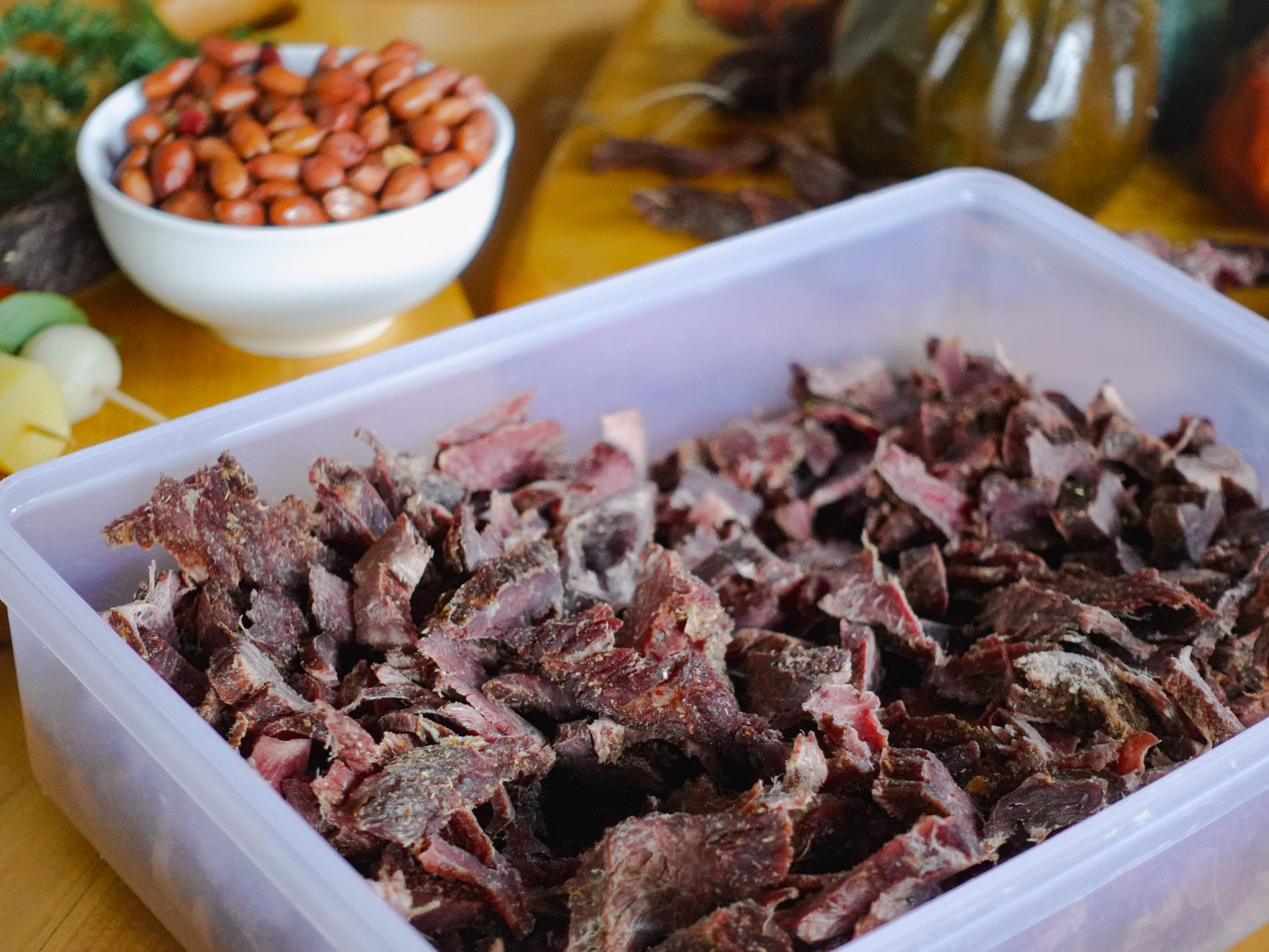
Beef jerky is a beloved snack for its rich flavor, portability, and high protein content. Whether enjoyed during a camping trip, as a quick protein boost during the day, or as part of a sports nutrition regimen, it is essential to understand the shelf life and proper storage techniques for beef jerky. This article will answer the question of how long beef jerky lasts and provide insight into its storage methods.
Knowing how long beef jerky remains fresh is crucial to avoid waste and ensure safe consumption. The shelf life of beef jerky can vary based on how it is made, packaged, and stored. This guide will help you preserve your jerky effectively to enjoy it for as long as possible.
How Long Can Beef Jerky Last?
Beef jerky can last anywhere from 1 to 2 years when stored properly. Store-bought varieties that are vacuum-sealed often come with a best-by date of 1 year but can last longer if kept in the right conditions. Homemade jerky, on the other hand, typically lasts about 1 to 2 months if stored in airtight containers.
Understanding the Factors Affecting Shelf Life
Several factors can affect how long beef jerky lasts, including:
- Moisture Content: High moisture levels can promote mold growth and shorten shelf life.
- Packaging: Vacuum-sealed packages keep jerky fresh longer by limiting air exposure.
- Storage Environment: Storing jerky in cool, dark places away from direct sunlight helps maintain quality.
- Preservatives: Some commercially prepared jerky contains preservatives that extend shelf life.
Types of Beef Jerky
There are two primary types of beef jerky: commercially prepared and homemade. Each type has different properties that influence its shelf life.
Commercially Prepared Beef Jerky
Commercial jerky is usually vacuum-sealed and may contain preservatives. Here are some common shelf life characteristics:
- Unopened Packages: Can last up to 1 year past the best-by date if stored properly.
- Opened Packages: Should be consumed within 1 to 2 weeks for the best quality.
Homemade Beef Jerky
Homemade jerky, while delicious and customizable, tends to have a shorter shelf life:
- After Dehydration: Can be stored for 1 to 2 months.
- Refrigeration: Extends shelf life to about 3 to 6 months if placed in the fridge in an airtight container.
Proper Storage Techniques for Beef Jerky
Proper storage is essential to maximize the shelf life of beef jerky. Here are some effective methods:
Airtight Containers
Store jerky in airtight containers to limit air exposure. Glass jars or plastic containers with tight-fitting lids work well. Make sure to keep them in a cool, dark place to maintain freshness.
Vacuum Sealing
Vacuum sealing removes oxygen from the package, significantly extending the shelf life of jerky. If you make jerky regularly, investing in a vacuum sealer can be beneficial for long-term storage.
Refrigeration and Freezing
If you want to keep homemade jerky for an extended period, consider refrigeration or freezing:
- Refrigeration: Can keep jerky fresh for up to 6 months.
- Freezing: In freezer-safe bags can provide the longest shelf life of up to a year or more.
Signs of Spoiled Beef Jerky
It’s essential to recognize the signs of spoiled jerky to avoid consuming unsafe products. Look out for the following:
- Off Smells: If the jerky smells sour or rancid, discard it.
- Mold Growth: Any visible mold is a clear sign that the jerky should not be consumed.
- Texture Changes: Jerky that becomes excessively soft or sticky may have gone bad.
Tips for Making Homemade Beef Jerky
If you prefer to make your beef jerky, here are some helpful tips to ensure quality and longevity:
Choose the Right Cuts of Meat
Using lean cuts of beef, such as flank steak, round, or sirloin, is ideal for jerky. Fewer fat content means less chance of spoiling.
Marinating for Flavor
Marinate the meat for flavor and to help preserve it. Consider using a combination of soy sauce, Worcestershire sauce, garlic powder, and pepper for a well-balanced flavor.
Drying Method
Use a dehydrator or an oven set at a low temperature (around 160°F or 71°C) for effective drying. Ensure the meat reaches an internal temperature of 160°F before drying to kill bacteria.
Cooling and Storage
Once dried, allow the jerky to cool before storing it in airtight containers. This will prevent condensation, which can lead to spoilage.
How to Use Beef Jerky
Beef jerky is not just a snack; it can be used in various ways:
Snacking
Enjoy jerky straight out of the bag as a quick, protein-packed snack.
Salads and Dishes
Chop jerky into small pieces and add it to salads or pasta dishes for an extra protein boost and flavor.
Trail Mix
Mix jerky with nuts, dried fruits, and seeds for a hearty trail mix perfect for hiking or road trips.
Related Recipes for Jerky Lovers
If you’re interested in more jerky recipes, consider trying out other types of jerky as well:
Conclusion
Understanding the shelf life of beef jerky is vital for enjoying this flavorful snack at its best. Proper storage techniques can help extend its lifespan and keep it fresh. Whether you’re snacking, making homemade jerky, or using it as an ingredient, knowing how to store it correctly will have you enjoying beef jerky longer.
Explore related recipes and tips for getting the most out of your culinary adventures. Check out our recipes for venison jerky and teriyaki jerky for more delicious options!