
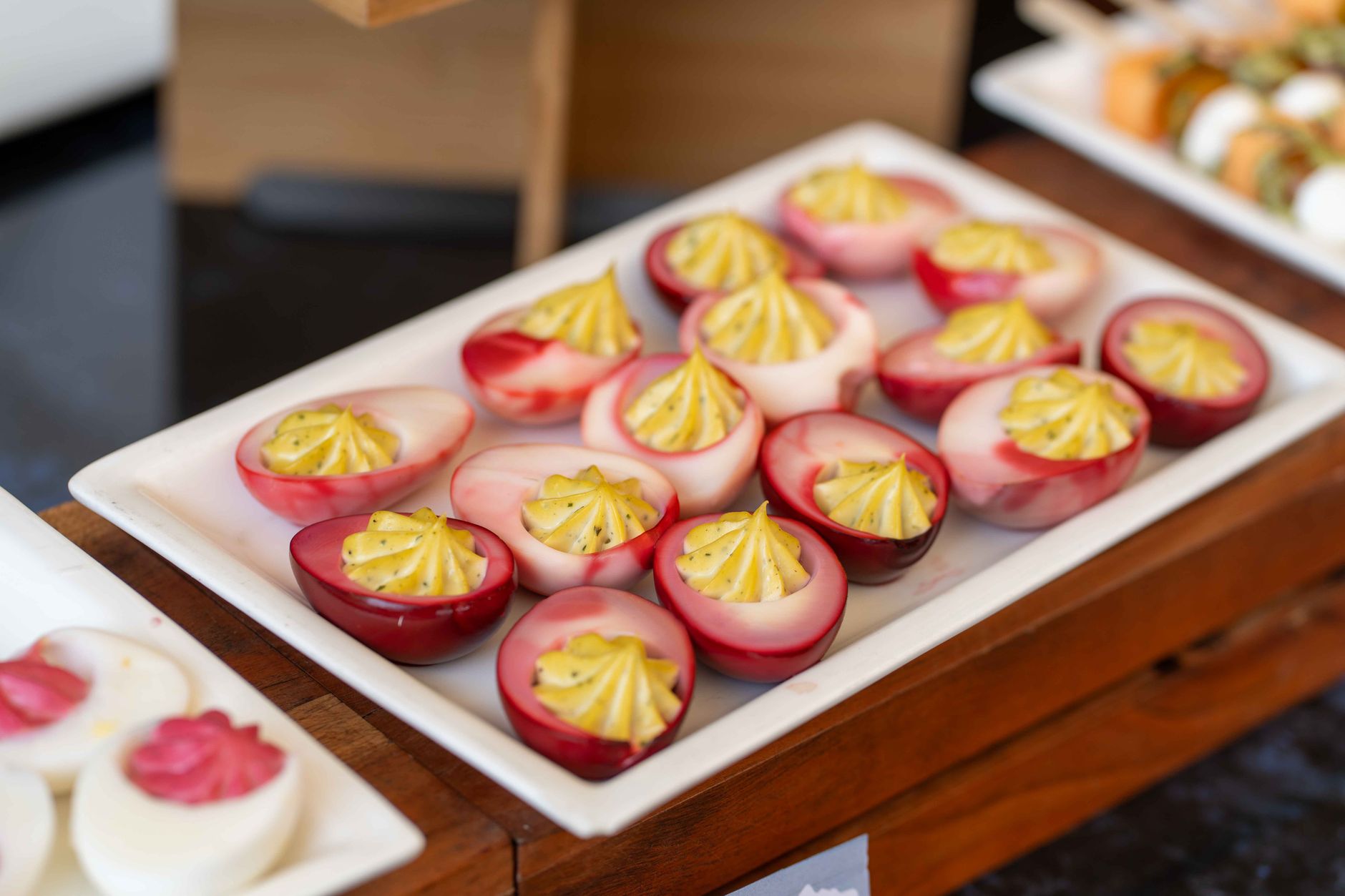
Deviled eggs are a classic appetizer enjoyed at gatherings, brunch, and holiday celebrations. Their creamy texture and savory flavor make them a crowd favorite. Boiling eggs to achieve the perfect hard-boiled consistency is crucial for this dish. Knowing how long to boil eggs for deviled eggs ensures that they are cooked to your desired doneness without the risk of a greenish hue around the yolks.
In this guide, we will explore the best practices for boiling eggs specifically for deviled eggs. We will cover timing, doneness tips, variations, and some helpful techniques to make the process easier. Whether you’re preparing a small family meal or hosting a big gathering, you’ll quickly become proficient at making deviled eggs.
How Long Boil Eggs for Deviled Eggs?
The ideal time to boil eggs for deviled eggs is typically between 9 to 12 minutes. Lower times result in a creamy center that may not be fully cooked, while longer boiling can lead to a dry, crumbly texture and an unattractive green ring around the yolk. The exact timing will depend on the size of the eggs and how you prefer your yolks.
Preparation and Planning
Before you begin boiling, it’s essential to gather all necessary ingredients and equipment to streamline the process. Here’s what you’ll need:
- Ingredients:
- Eggs (large, as many as you need)
- Cold water
- Iced water (for cooling)
- Equipment:
- A large saucepan or pot
- A slotted spoon
- A bowl for icy water
- A timer (or a smartphone)
Step-by-Step Guide to Boiling Eggs for Deviled Eggs
Follow this method for perfectly boiled eggs that are ready to be transformed into delicious deviled eggs:
- Choose your eggs: Use large eggs that are preferably one to two weeks old. Fresher eggs can be more challenging to peel smoothly, while older eggs tend to peel more easily.
- Place eggs in a saucepan: Arrange the eggs in a single layer in a large saucepan. This ensures even cooking.
- Add cold water: Fill the pan with cold water until it covers the eggs by about an inch.
- Heat the water: Place the saucepan over medium-high heat and allow the water to come to a boil. Keep an eye on the pot to avoid overflowing.
- Timing is key: Once boiling, reduce the heat to low and cover the pot. For soft-boiled yolks, set a timer for 9 minutes. For more traditional deviled egg yolks, set the timer for 12 minutes, depending on your preference.
- Prepare ice water: While the eggs are cooking, fill a large bowl with ice water to cool the eggs immediately after cooking.
- Transfer the eggs: Once the timer goes off, use a slotted spoon to transfer the eggs from the boiling water to the ice water bath. Let the eggs sit in the ice bath for at least 5 to 10 minutes to halt the cooking process and help with peeling.
- Peel the eggs: Gently tap the eggs on a hard surface to crack the shell, then peel the eggs under running water for easier removal of the shells.
- Prepare for deviling: Slice each egg in half lengthwise and gently scoop out the yolks into a mixing bowl. Reserve the egg whites for filling.
Tips for Perfectly Cooked Hard-Boiled Eggs
To ensure your boiled eggs are perfectly cooked each time, consider the following pointers:
- Use a timer for accuracy. Setting a timer keeps you on track and prevents overcooking.
- If you prefer soft yolks, experiment with cooking times. Some may find 8 to 9 minutes yields their desired consistency.
- Consider the altitude. Higher altitudes may require slightly longer cooking times due to lower boiling temperatures.
- For consistently easy peeling, try using older eggs or placing them in the fridge before boiling. This can help separate the egg membrane from the shell.
Common Mistakes to Avoid
Even the most experienced cooks can occasionally make mistakes. Here are a few to watch out for:
- Using very fresh eggs: As mentioned previously, fresh eggs are more challenging to peel. Opt for eggs that have been in your carton for a week or so.
- Not adjusting for cooking times: Consider the size of the eggs and the desired yolk consistency. Adjusting the cooking times can make a significant difference.
- Overcooking the eggs: Cooking the eggs for too long can result in a dry texture and that greenish ring around the yolk. Stick to the recommended times for the best results.
- Skipping the ice bath: The ice bath is essential in stopping the cooking process and making peeling easier. Never skip this step.
Variations of Deviled Eggs
Once you have mastered the basic boiled egg technique, you can start playing with the recipe. Below are some delicious variations of deviled eggs:
- Classic Deviled Eggs: Mix the yolks with mayonnaise, Dijon mustard, salt, and pepper. Top with paprika or chopped chives for garnish.
- Bacon and cheddar deviled eggs: Add crumbled bacon and shredded cheddar cheese into the yolk mixture for a rich, savory flavor. Garnish with a small piece of bacon and some chives.
- Avocado deviled eggs: Replace mayonnaise with ripe avocado for a creamy and healthier alternative. Add lime juice and cilantro for freshness.
- Sriracha mayo deviled eggs: Spice things up by mixing some Sriracha sauce into the yolk mixture. It adds heat and a bit of zing!
- Curried deviled eggs: Add curry powder to the yolks along with the mayonnaise for a unique twist. Garnish with cilantro for extra flavor.
Serving Suggestions
Deviled eggs can be served in various ways. Here are a few ideas:
- Arrange them on a platter with garnishes like fresh herbs, smoked paprika, or even microgreens for an aesthetically pleasing presentation.
- Serve alongside other appetizers such as vegetable crudités, hummus, or cheese platters at gatherings.
- For a picnic or outdoor event, pack the deviled eggs in a cooler with ice to keep them fresh.
- Pair deviled eggs with a refreshing salad or soup for a light meal option.
Make-Ahead Tips
Deviled eggs can be prepared ahead of time. Here are some suggestions to keep in mind:
- Hard-boiled eggs can be made and stored in their shells in the refrigerator for up to a week. Once peeled, consume them within 2 days for the best quality.
- You can prepare the filling three days in advance and refrigerate it. Store it in an airtight container to maintain freshness.
- Assemble the deviled eggs the night before your event or meal for convenience. Just be careful not to add any toppings until right before serving to maintain freshness.
How to Store Deviled Eggs
Proper storage can keep your deviled eggs fresh and safe to eat. Here are some tips:
- Refrigeration: Store uneaten deviled eggs in an airtight container in the refrigerator. If the eggs contain any perishable ingredients, consume within 1 to 2 days.
- Covering: If you’re storing them on a plate, cover the eggs with plastic wrap to prevent drying out.
- Freezing: It’s not recommended to freeze deviled eggs, as they may become watery and lose texture upon thawing. Instead, prepare them fresh for the best taste.
Conclusion
Cooking eggs for deviled eggs may seem simple, but it requires attention to detail to achieve the best results. By following proper boiling times and using the right techniques, you’ll produce eggs with creamy, flavorful yolks perfect for stuffing. Experiment with various flavors and garnishes to make your deviled eggs uniquely yours. Now that you have the steps down, it’s time to gather your ingredients, boil those eggs, and impress guests at your next function.
Explore more delicious recipes and cooking tips, like Mayak Eggs recipe or how to make Jammy Eggs. Dive into the world of egg dishes, and enjoy crafting your culinary classics!