
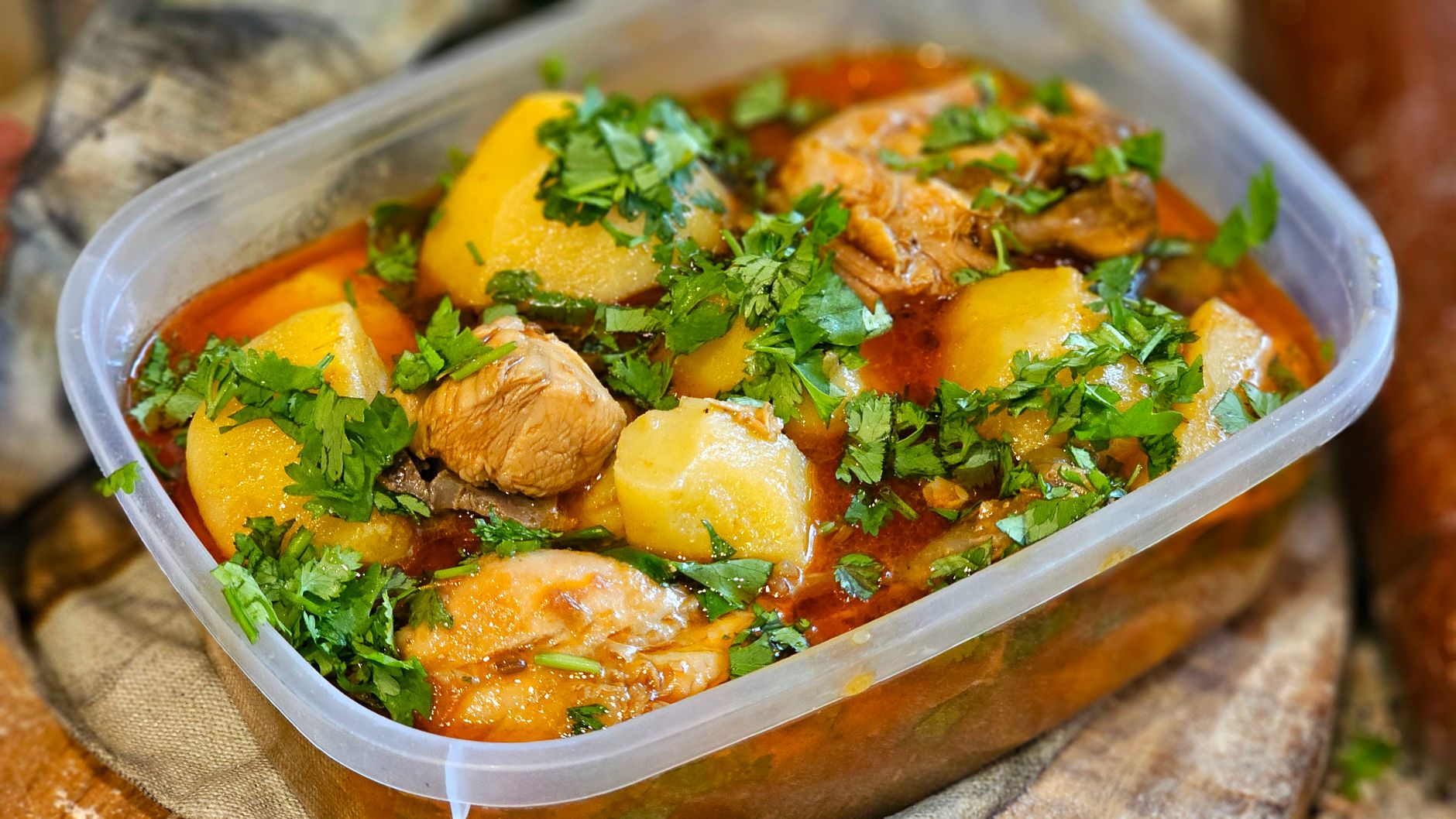
Understanding how long leftovers are good for is crucial for food safety and reducing waste. This guide provides insights into various types of leftovers, their storage times, and factors that affect their freshness. Whether you have a delicious casserole, grilled chicken, or a bowl of soup, knowing when it’s time to toss them can save you from potential foodborne illnesses and keep your meals enjoyable.
Practicing proper food storage and handling techniques enhances the longevity of your meals. This comprehensive guide covers general rules for storage, specific timeframes for various food types, and tips to maximize freshness. Let’s dive into the details of how long leftovers are good for and learn how to store them safely.
How Long Are Leftovers Good For?
Leftovers are generally good for about three to four days when stored properly in the refrigerator. However, this time frame can vary based on the food type, how it was prepared, and the storage conditions. Always check for signs of spoilage before consuming leftover meals.
General Guidelines for Storing Leftovers
For safe consumption, follow these key guidelines when storing leftovers:
- Cool leftovers rapidly: Let food sit at room temperature for no more than two hours before refrigerating.
- Use airtight containers: Store leftovers in airtight containers to prevent contamination and maintain moisture.
- Label and date: Use labels to keep track of when leftovers are stored, ensuring you use them in a timely manner.
- Reheat thoroughly: Reheat leftovers to an internal temperature of 165°F (74°C) before consuming.
Specific Timeframes for Various Leftovers
Different food types have varying shelf lives. Here are pointers for common leftovers:
Meat and Poultry
Cooked meat and poultry, including roasts, fried chicken, and casseroles, can generally last in the refrigerator for three to four days. For freezing, they can remain good for about two to six months depending on preparation and packaging.
Ground Beef
Ground beef typically lasts one to two days in the fridge after cooking. For a longer shelf life, it’s advisable to freeze any leftover ground beef after cooking.
Seafood
Leftover cooked seafood should be eaten within three to four days when refrigerated. In the freezer, they are best consumed within three months for optimal quality.
Dairy Products
Dairy items, such as cheese and yogurt, have varying storage lives. Here are specific guidelines:
- Hard cheeses: Last about three to four weeks after opening.
- Soft cheeses: Should be consumed within one week.
- Cottage cheese: Good for five to seven days after opening.
For a detailed look at how long cottage cheese lasts, check this link.
Grains and Pasta
Cooked grains and pasta can stay good in the refrigerator for three to five days. These are at their best quality if frozen within that time frame, allowing for several months of usability.
Soups and Stews
Soups and stews containing meat or dairy typically last three to four days in the fridge. If you’d like to extend their lifespan, freezing them can allow for a safe storage time of up to three months.
Vegetables
Cooked vegetables, when stored properly, can be kept in the refrigerator for about three to seven days, depending on the type. Most veggies lose texture and flavor over time, so consume them sooner rather than later.
Storage Conditions and Best Practices
The way you store your leftovers plays a crucial role in their longevity. Follow these best practices for maximum freshness:
Temperature Control
Keeping your refrigerator at or below 40°F (4°C) is essential for safely storing leftovers. If your refrigerator isn’t holding the proper temperature, leftovers may spoil faster than expected. Use a thermometer to monitor the internal temperature.
Container Selection
Choosing the right containers is vital for preserving quality. Use glass or BPA-free plastic containers with airtight lids. Avoid letting food sit uncovered, as exposure to air can cause spoilage.
Signs of Spoilage
Learn to recognize signs that your leftovers have gone bad:
- Unpleasant odors: A sour or strange smell is a clear indicator of spoilage.
- Visible mold: Any presence of mold means that the food should be discarded.
- Changes in texture or color: If leftovers appear slimy or discolored, it’s time to throw them away.
Freezing Leftovers for Longevity
Freezing leftovers is an excellent way to extend their shelf life. Here are some tips for freezing leftovers effectively:
Pre-Freezing Preparation
Before freezing, divide leftovers into portions for ease of thawing. Use freezer-safe containers or bags, removing as much air as possible to reduce freezer burn.
Labeling Before Freezing
Label your containers with names and dates. This makes it easier to track aging leftovers and ensures you use the oldest items first.
Thawing Leftovers
When ready to use frozen leftovers, it’s best to thaw them in the refrigerator overnight. Always reheat to 165°F (74°C) before serving.
Common Mistakes with Leftovers
To avoid wasting food or risking health, be aware of these common mistakes when handling leftovers:
- Not refrigerating within two hours: Allowing food to sit out for too long greatly increases the risk of bacteria growth.
- Not reheating thoroughly: Always ensure leftovers reach safe temperatures, disregarding color or texture alone as indicators.
- Ignoring expiration dates: Keep track of how long leftovers have been stored to avoid consuming spoiled food.
Meal Planning and Portion Control
For families or individuals looking to reduce waste, having a meal plan can be beneficial. Consider the following:
Creating Balanced Portions
Aim for portion sizes that encourage consumption while minimizing leftovers. Keep in mind the appetites of those you are serving, and adjust recipes as needed.
Incorporating Leftovers into New Meals
Transforming leftovers into new dishes can reduce waste and provide variety. Here are some ideas:
- Use leftover grilled chicken in salads or sandwiches.
- Mix unused vegetables into stir-fries or omelets.
- Blend soups into smoothies for a nutritious drink.
Conclusion
Knowing how long leftovers are good for helps protect your health and prevents unnecessary waste. By following proper storage methods, being mindful of spoilage, and creatively repurposing leftovers, you can enjoy your meals without concern. Take these insights to equip yourself for better meal management moving forward.
If you’re interested in exploring more about food storage, check out how long cooked ground beef is good in the fridge at this link for additional information.