
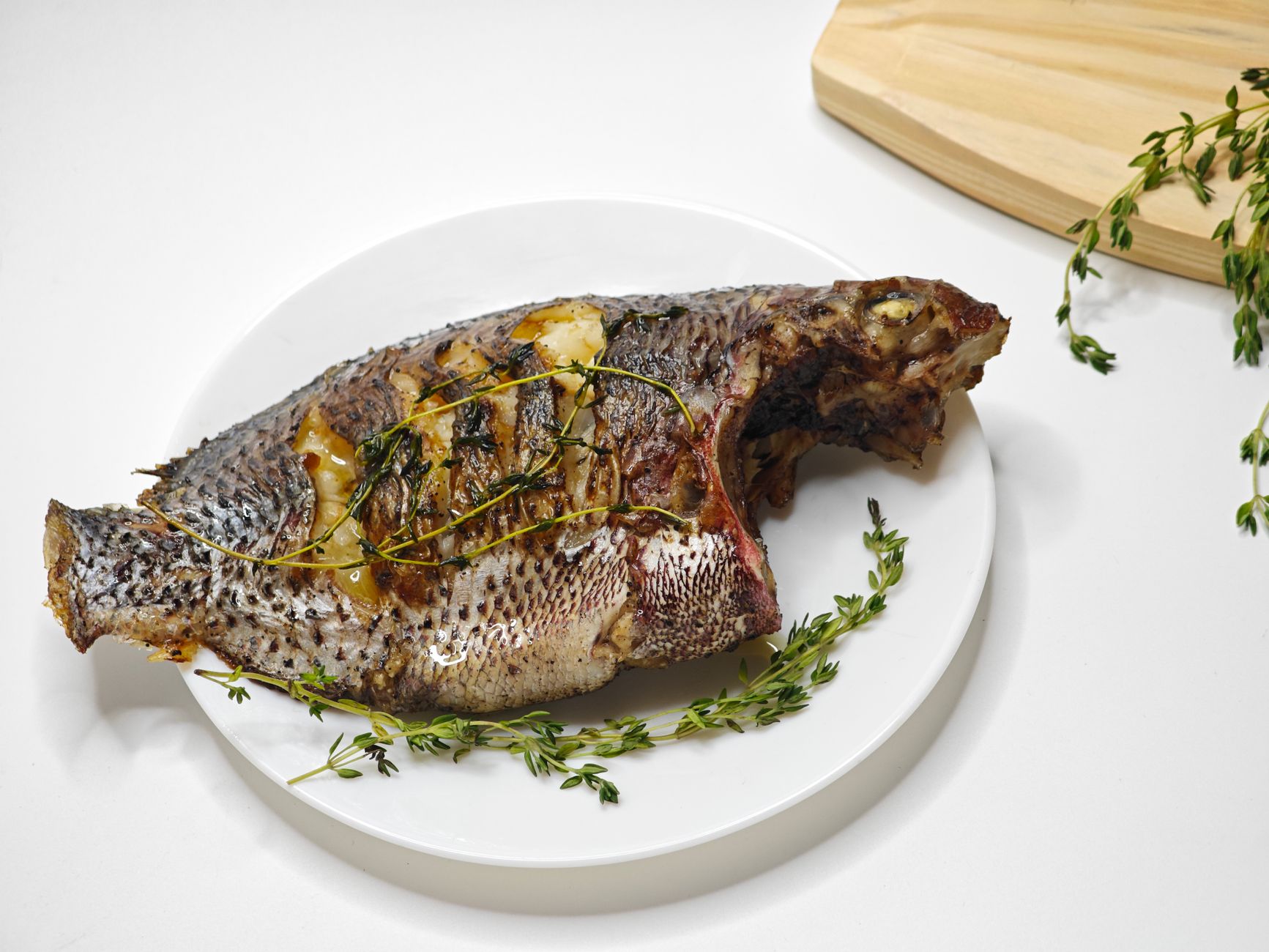
Is tilapia safe for pregnancy? This common question resonates with expectant mothers as they navigate dietary choices during this crucial time. Understanding the safety of tilapia is essential, as it can impact both the mother and the developing fetus. This article will explore the safety of tilapia for pregnant women, discuss its nutritional value, and provide guidance on how to incorporate it into a healthy pregnancy diet.
When chosen and prepared correctly, tilapia can be a nutritious addition to a pregnant woman’s diet. With its mild flavor, versatility in cooking, and rich nutritional profile, tilapia is often a popular choice. However, pregnant women must be aware of certain factors, including mercury content, preparation methods, and recommended serving sizes.
Is Tilapia Safe for Pregnancy?
Yes, tilapia is generally considered safe for pregnant women when cooked properly and sourced from reputable suppliers. It is low in mercury compared to other fish, making it a favorable option during pregnancy. However, it’s important to be cautious about where you source your tilapia and how you prepare it to ensure maximum safety and nutritional value.
Nutritional Benefits of Tilapia
Tilapia is a nutrient-rich fish that offers a variety of health benefits, making it an excellent option for pregnant women. Here are some of the key nutritional components of tilapia:
- Protein: Tilapia is an excellent source of low-fat protein, which is essential for the growth and repair of tissues. Adequate protein intake is crucial during pregnancy for the developing fetus and the mother’s health.
- Omega-3 Fatty Acids: While tilapia contains lower levels of omega-3 fatty acids compared to other fatty fish, it still provides some essential fats beneficial for fetal brain development.
- Vitamins and Minerals: Tilapia is rich in B vitamins, particularly B12 and niacin, as well as minerals such as selenium and phosphorus, which support metabolism and contribute to overall health.
Including tilapia in your diet can help meet increased nutritional needs during pregnancy, promoting both maternal and fetal health.
Mercury Levels in Fish
One major concern for pregnant women is the mercury content in fish. Mercury can be harmful to fetal development, particularly in the brain and nervous system. Fortunately, tilapia is considered a low-mercury fish, making it safer than many larger predatory fish such as shark, swordfish, or king mackerel. The FDA recommends that pregnant women consume a variety of fish while limiting their intake of high-mercury species.
To ensure safety, it’s essential to follow the guidelines set forth by health organizations. Pregnant women should consume 8-12 ounces of low-mercury fish per week, which is roughly two to three servings, depending on the type of fish.
Selecting and Preparing Tilapia
Choosing the right tilapia and preparing it safely are crucial steps to ensure its safety during pregnancy. Here are some tips:
Choosing Quality Tilapia
- Look for tilapia that is labeled as farmed rather than wild-caught, as this is generally safer and has less variability in contamination levels.
- Purchase tilapia from reputable sources, such as local fish markets or supermarkets known for their high seafood quality.
- Avoid tilapia that has a strong fishy smell or discoloration, as these may be signs of spoilage.
Cooking Tilapia Safely
Cooking tilapia properly is paramount to eliminate potential pathogens. Pregnant women should ensure that tilapia is cooked to an internal temperature of 145°F (63°C). Here are some cooking methods to consider:
- Grilling: Brush with olive oil and season with herbs. Grill for about 4-5 minutes on each side until it flakes easily with a fork.
- Baking: Place tilapia in a baking dish, season as desired, and bake at 400°F (204°C) for approximately 15-20 minutes.
- Pan-frying: Heat olive oil in a pan, add seasoned tilapia, and cook for about 3-4 minutes on each side.
Such methods preserve the natural flavor while ensuring the fish is cooked thoroughly.
Common Mistakes When Preparing Tilapia
While preparing tilapia, some common mistakes can lead to unsafe consumption:
- Undercooking: Ensure you use a food thermometer to check the internal temperature. Undercooked fish can harbor harmful bacteria.
- Using Contaminated Ingredients: Always use fresh ingredients and avoid cross-contamination with raw foods to ensure a safe experience.
- Ignoring Allergies: If you or your partner have a known fish allergy, it’s crucial to avoid tilapia completely.
How to Incorporate Tilapia into Your Pregnancy Diet
Incorporating tilapia into your meals can be easy and delicious. Here are a few recipe ideas:
Tilapia Tacos
- Season pan-fried or baked tilapia with spices and serve in corn tortillas with cilantro, cabbage, and a squeeze of lime.
Tilapia with Roasted Vegetables
- Bake tilapia alongside a medley of colorful vegetables such as bell peppers, zucchini, and cherry tomatoes for a nutrient-dense meal.
Tilapia Salad
- Flake cooked tilapia over a bed of mixed greens, topped with avocado, cucumber, and a light vinaigrette for a refreshing salad.
These meals not only offer variety to your diet but also ensure you’re getting essential nutrients.
Conclusion
Tilapia is a safe and nutritious fish option for pregnant women when sourced and prepared correctly. Its low mercury levels, high protein content, and valuable vitamins and minerals make it an excellent choice during pregnancy. However, always prioritize food safety measures and consult with a healthcare provider about your dietary choices.
For those looking to include tilapia in their meals, consider checking out practical cooking tips or explore how long to cook tilapia to achieve the best results at how long to cook tilapia. This can enhance your culinary experience while ensuring you maintain a healthy pregnancy diet.