
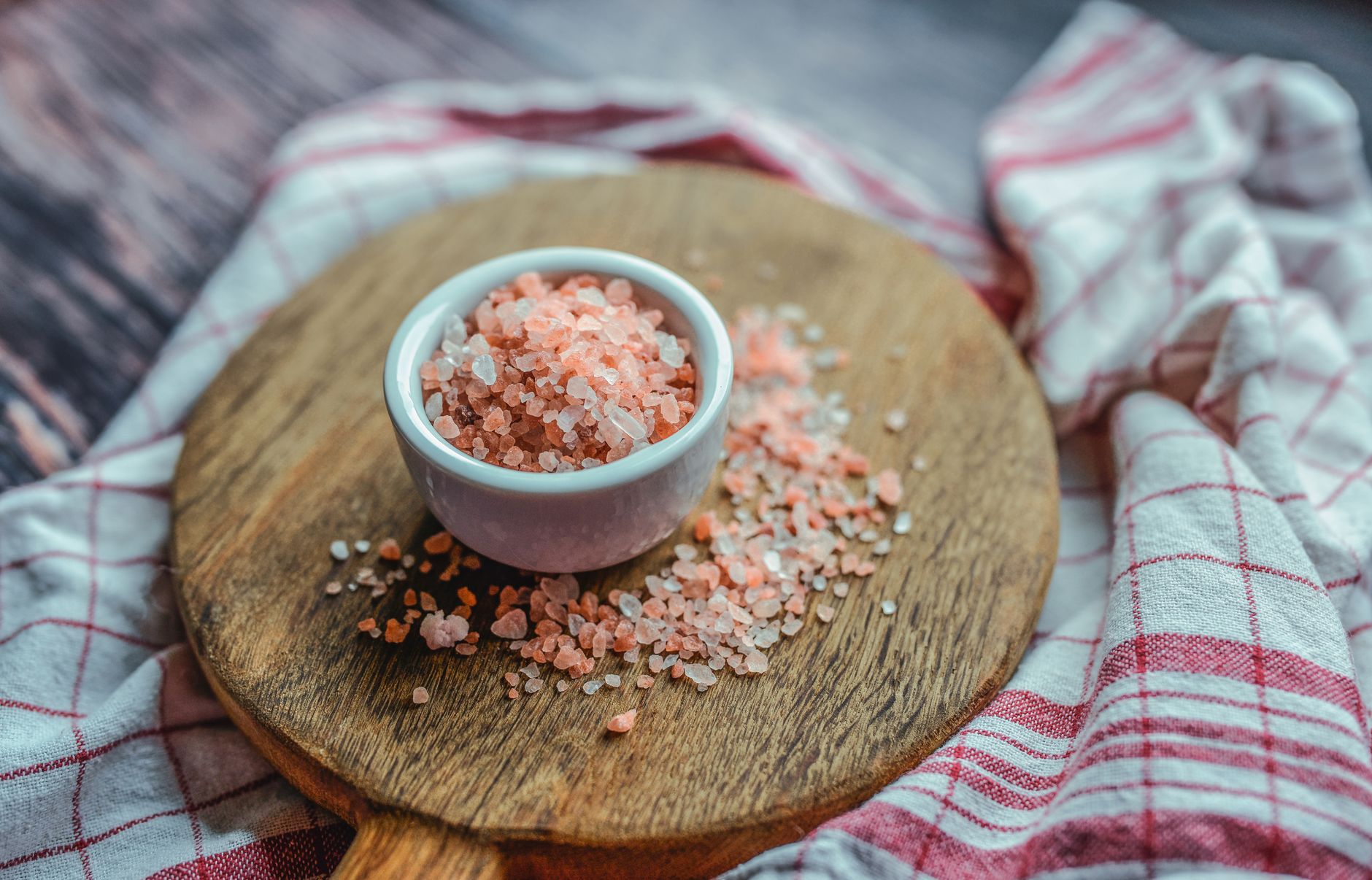
Kosher salt is a beloved ingredient in many kitchens, known for its coarse texture and ability to enhance the flavors of a wide variety of dishes. While it may seem simple, the process behind how kosher salt is made is quite fascinating. Understanding its production can help you appreciate this kitchen staple even more.
This guide will delve into the details of kosher salt production, from its ingredients to the steps involved in its manufacturing. Additionally, we will explore plant-based swaps for kosher salt, making this article useful for both seasoned chefs and home cooks looking to enhance their cooking techniques.
How Is Kosher Salt Made?
Kosher salt is typically made through evaporation of seawater or brine, but specifics can vary based on the source. Originally, kosher salt gained its name from its use in koshering meats, where its coarseness helps to draw out blood. The pure, minimally processed nature and unique texture make it a popular choice among chefs.
Ingredients Used in Kosher Salt Production
The primary ingredient in kosher salt is salt itself, mainly derived from salt deposits or seawater. The salt can be refined or unrefined, depending on the desired purity. Various manufacturers may add anti-caking agents to their kosher salt, although many purist brands opt for a more natural approach.
Main Sources of Salt
- Sea Salt: Harvested directly from evaporated seawater, sea salt often retains trace minerals, which can impact its flavor profile.
- Rock Salt: Mined from underground salt deposits, rock salt is a more mineral-rich option that can also be used to produce kosher salt.
The Process of Making Kosher Salt
The production of kosher salt involves several key steps, from gathering raw materials to refining and packaging the final product. Here’s how the process generally unfolds:
1. Harvesting Raw Salt
The first step in making kosher salt is sourcing salt, primarily from seawater or salt deposits. If seawater is the source, the salt is extracted by evaporating the water.
2. Evaporation
Water from seawater or brine is evaporated using either solar evaporation or mechanical means. Solar evaporation involves spreading seawater in shallow ponds, where the sun’s heat gradually evaporates the water, leaving behind salt crystals. Mechanically, large evaporation pans heated by steam can accomplish this task in controlled environments.
3. Collection and Grinding
Once the salt crystallizes, it’s collected and may go through grinding to achieve the desired coarse texture. The size of the salt granules can vary between brands, which affects their utility in cooking.
4. Washing and Purification
Typically, wash cycles remove impurities and any remaining brine. This process helps in yielding a purer form of salt, ready for consumption.
5. Drying
The salt is then dried through various methods, ensuring that any residual moisture is eliminated. This results in a product that is free-flowing and less prone to clumping.
6. Bagging and Packaging
After drying, kosher salt is packaged for sale. The packaging ranges from bulk containers to consumer-friendly boxes, depending on the target audience.
Characteristics of Kosher Salt
Kosher salt is known for its unique characteristics that differentiate it from table salt and other salts:
Texture
The coarse granules of kosher salt provide a satisfying crunch while cooking and make it easily divisible, allowing for more precise seasoning.
Flavor
Kosher salt has a milder flavor compared to table salt, as it often lacks additives. Its clean, bright taste enhances food without overpowering it.
Moisture Absorption
Due to its texture, kosher salt absorbs moisture from food more effectively, making it ideal for brining, curing, and seasoning meats.
Plant-Based Swaps for Kosher Salt
For those seeking plant-based or more natural alternatives to kosher salt, there are several options that can be used in cooking and seasoning:
1. Sea Salt
Sea salt is a great alternative that retains some trace minerals from evaporation processes. It can add a similar texture and flavor profile to dishes.
2. Himalayan Pink Salt
This salt contains various minerals, giving it a distinct color and flavor. Its larger crystals can sometimes mimic the texture of kosher salt.
3. Fleur de Sel
This French sea salt is often hand-harvested and is slightly more delicate than kosher salt. It can be used for finishing dishes due to its unique flavor.
4. Table Salt
Although typically finer in grain, table salt can be used in place of kosher salt with an adjustment in measurement. Generally, table salt is more saline, so less should be used in comparison.
5. Liquid Seasoning Alternatives
For those avoiding salt altogether, liquid seasonings such as soy sauce or coconut aminos can provide umami and flavor depth without the need for granulated salt.
How to Use Kosher Salt in Cooking
Understanding how to use kosher salt can elevate your cooking and seasoning techniques. Here are some practical tips:
1. Salting Water for Cooking
When boiling pasta or blanching vegetables, adding kosher salt to the water enhances flavor. A common ratio is about 1 tablespoon of kosher salt per gallon of water.
2. Brining
Kosher salt is ideal for brining meats because it dissolves easily into water, allowing it to create a moist and flavorful environment for proteins.
3. Seasoning Meats
Sprinkling kosher salt on meats prior to cooking helps to draw out moisture and emphasizes the meat’s natural flavors. A general rule of thumb is to use about 1 teaspoon per pound of meat.
4. Baking
When baking, kosher salt can be used in doughs and batters. Its larger grains add a slight crunch and enhance the sweetness in baked goods.
5. Finishing Touch
Using kosher salt as a finishing touch on dishes like steaks or roasted vegetables can provide a pleasant texture and an added burst of flavor.
Common Mistakes with Kosher Salt
Despite its simplicity, there are common pitfalls to avoid when using kosher salt:
1. Incorrect Measurements
Because kosher salt crystals are larger, using the same measurement as table salt can result in over-salting. Adjust accordingly, aiming to use less kosher salt when substituting.
2. Ignoring Timing
Adding kosher salt at the wrong time in the cooking process can affect flavor. For example, salting meat too early before cooking may draw moisture out before it’s cooked.
3. Overlooking Quality
Not all kosher salts are created equal. Different brands may have different flavors and textures, so it is essential to select a brand you trust, preferably one without added chemicals.
Storage Tips for Kosher Salt
Storing kosher salt properly will maintain its quality and effectiveness:
1. Keep it Dry
Store kosher salt in a cool, dry place to prevent clumping. Use an airtight container if transferring from the original packaging.
2. Avoid Contamination
Always use clean, dry measuring tools when scooping out kosher salt to maintain its purity. Moisture can lead to clumping and spoilage.
3. Long Shelf Life
Kosher salt has an indefinite shelf life when stored correctly. However, its effectiveness in cooking may diminish over time if not kept properly.
Conclusion
Kosher salt is a versatile seasoning that adds depth and flavor to a wide array of dishes. Understanding its production process, characteristics, and ideal uses can enrich your culinary practices. Whether you are substituting it with a plant-based alternative or leveraging its unique features in cooking, kosher salt remains an essential ingredient in the kitchen.
Explore more about how to incorporate various ingredients into your cooking or discover new methods by checking out our helpful guides and insightful recipes!