
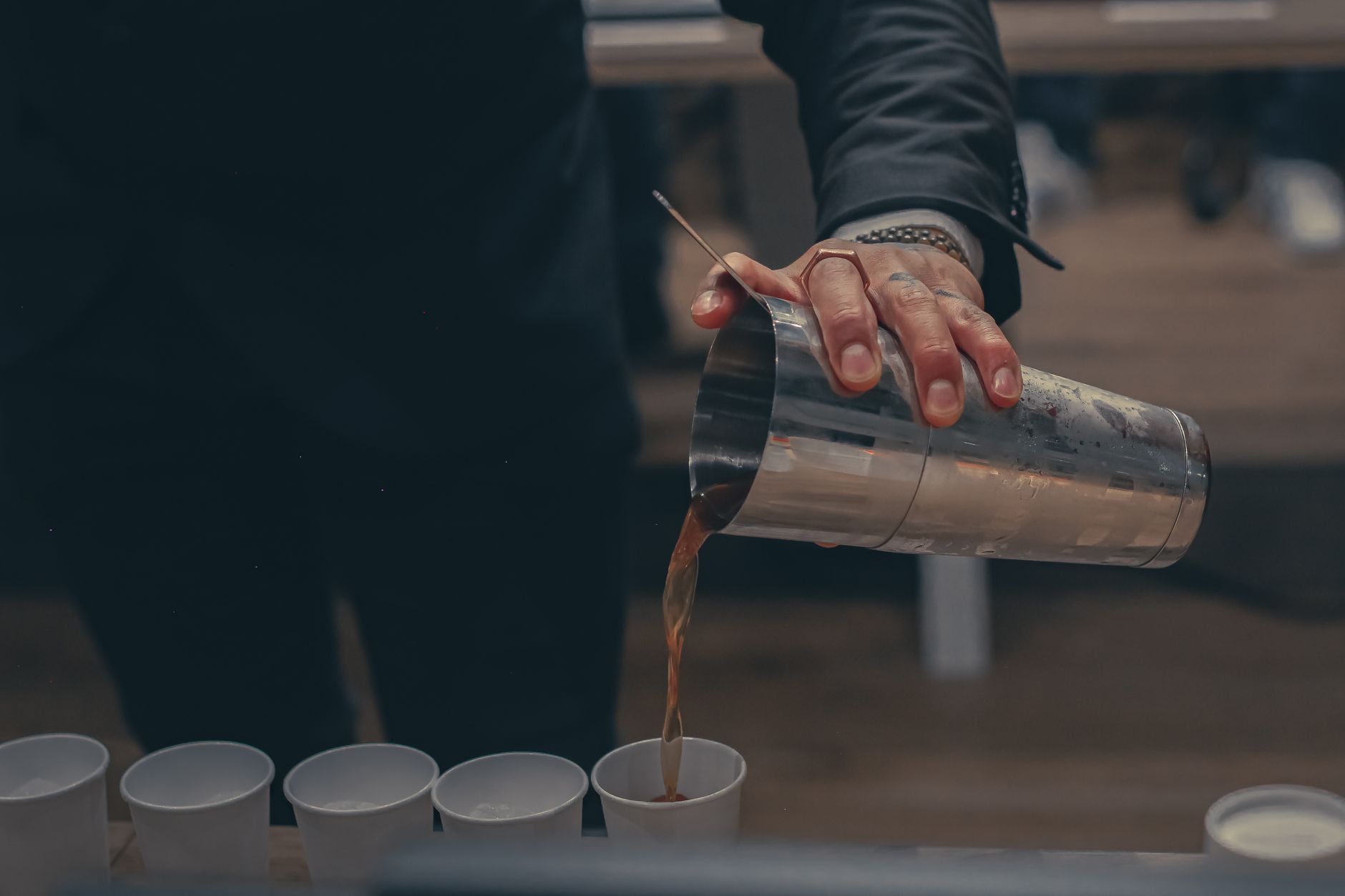
Eggnog is a traditional holiday drink known for its creamy texture and rich flavor, often associated with festive celebrations. Many people love its combination of milk, cream, sugar, and spices, complemented by the addition of alcohol for that extra warmth. But how is eggnog made? Let’s explore the ingredients, method, variations, and some serving tips to create a delightful batch.
This article provides a detailed guide to making eggnog at home, whether you prefer the traditional version or might want to explore some variations. With this easy-to-follow method, you’ll impress your guests and enjoy a beloved holiday classic that comes together in a snap.
How Is Eggnog Made?
Eggnog is made by combining milk, cream, sugar, eggs, and spices, resulting in a rich, creamy drink that can be served chilled or warm. It may also include alcohol, such as rum or brandy, for an adult twist. The process involves whipping eggs and sugar, gradually adding dairy, and mixing in flavorings.
Ingredients Used in Eggnog
To create a classic eggnog, you’ll need the following ingredients:
- Eggs: About 4 large eggs are typically used for a rich and creamy texture.
- Sugar: Around 1/2 to 3/4 cup of granulated sugar adds sweetness.
- Milk: 2 cups of whole milk provides the base and creaminess.
- Cream: 1 cup of heavy cream enhances the rich texture.
- Vanilla extract: 1 teaspoon for a warm and rich flavor.
- Nutmeg: 1/2 teaspoon added to give a classic spicy note and aroma.
- Alcohol (optional): About 1 to 1 1/2 cups of rum, bourbon, or brandy for an adult version.
Essential Equipment
Before starting, gather the following equipment:
- Mixing bowls
- Whisk or electric mixer
- Measuring cups and spoons
- Large saucepan
- Strainer or fine mesh sieve
- Pitcher or container for storage
- Optional: thermometer for checking the temperature of the mixture
Step-by-Step Method for Making Eggnog
Follow these steps to create your homemade eggnog:
- Separate the eggs: Carefully separate the egg yolks from the whites, placing the yolks in a mixing bowl and the whites in another clean bowl.
- Whisk the egg yolks: Add sugar to the egg yolks and whisk until the mixture is pale and creamy, about 3-5 minutes. This step is crucial for achieving a smooth consistency.
- Mix the milk and cream: In a large saucepan, combine the milk, cream, and spices. Heat gently over medium heat until it’s steaming but not boiling, stirring occasionally.
- Temper the egg mixture: Slowly whisk about 1 cup of the hot milk mixture into the egg yolks in a steady stream. This gradual heating helps to temper the eggs, preventing them from scrambling.
- Combine the mixtures: Once tempered, pour the tempered egg mixture back into the saucepan with the remaining milk and cream. Stir in vanilla extract and nutmeg. Heat gently over low heat, stirring constantly until it reaches about 160°F (71°C), which is hot but not boiling.
- Cool the eggnog: Remove from heat and let it cool to room temperature. If you are adding alcohol, mix it in at this stage. Taste and adjust sweetness or spice if necessary.
- Whisk the egg whites: In the separate bowl, whisk the egg whites until soft peaks form. This step lightens the eggnog and adds a luxurious frothiness.
- Fold the egg whites: Gently fold the whipped egg whites into the cooled eggnog mixture. This adds volume and a light texture.
- Refrigerate: Chill the eggnog for at least 2 hours, preferably overnight, allowing the flavors to meld. Serve chilled or warmed, garnished with a sprinkle of nutmeg.
Tips for Successful Eggnog
To create the best eggnog possible, here are some helpful tips:
- For a richer flavor, use fresh, high-quality eggs. Consider using pasteurized eggs if you’re concerned about egg safety.
- Experiment with different spices, such as cinnamon or cloves, to find your preferred flavor profile.
- If you’re short on time, you can use pre-made eggnog as a base, then enhance it with freshly grated nutmeg and whisked egg whites for a frothy texture.
- Be cautious while heating the mixture, as boiling can cause the eggs to curdle. Always keep the heat low and stir continuously.
- Feel free to adjust the sugar and spice levels to suit your taste. Start with less sugar and add more as necessary.
Serving Suggestions
Eggnog can be served in various ways to enhance the festive experience. Here are some ideas:
- Chilled or Warm: Serve it cold in a glass or warmed in a mug, depending on your preference.
- Garnishes: Top with a sprinkle of freshly grated nutmeg, a cinnamon stick, or whipped cream for an extra touch.
- In Cocktails: Use eggnog as a base for cocktails by mixing it with bourbon or rum for a festive beverage.
- With Desserts: Serve alongside traditional holiday desserts like gingerbread, cookies, or pie.
Variations of Eggnog
If you want to explore alternatives to classic eggnog, consider these variations:
- Non-Alcoholic Eggnog: Omit the alcohol and ensure to make it creamy and flavorful with the right balance of spices.
- Vegan Eggnog: Substitute dairy milk with almond milk or coconut milk and use aquafaba (chickpea water) for the egg whites.
- Chocolate Eggnog: Blend in some cocoa powder or chocolate syrup for a chocolatey twist.
- Nutty Eggnog: Add flavored syrups like hazelnut or almond for an exciting flavor experience.
Common Mistakes and Troubleshooting
Avoiding mistakes can lead to a smooth and enjoyable eggnog experience. Here are some common pitfalls:
- Scrambled Eggs: Temper the eggs carefully to avoid curdling. If this happens, strain the mixture to remove the cooked bits.
- Too Sweet or Spicy: Taste as you go. Adjust sugar or spice incrementally to achieve the desired flavor.
- Separation: This can occur after refrigeration. It’s normal; just give it a good stir before serving.
Storage and Make-Ahead Guidance
Eggnog can be made in advance to save time during holiday festivities:
- Make-Ahead: Prepare eggnog up to two days in advance and refrigerate it. The flavors will continue to develop, enhancing the overall taste.
- Storage: Store any leftovers in an airtight container in the refrigerator for up to 3 days. Do not freeze, as this may change the texture.
- Reheating: If serving warm, gently reheat on the stove over low heat while stirring. Avoid boiling.
Conclusion
Making eggnog is a delightful way to celebrate the holiday season with a creamy and delicious beverage. With just a few ingredients and careful preparation, you can create a festive drink that warms the heart and brings everyone together. Whether you stick to the classic recipe or explore variations, eggnog is sure to become a seasonal favorite in your home.
For more intriguing ingredients and cooking tips, visit these resources: substituting applesauce for eggs and egg storage tips.