
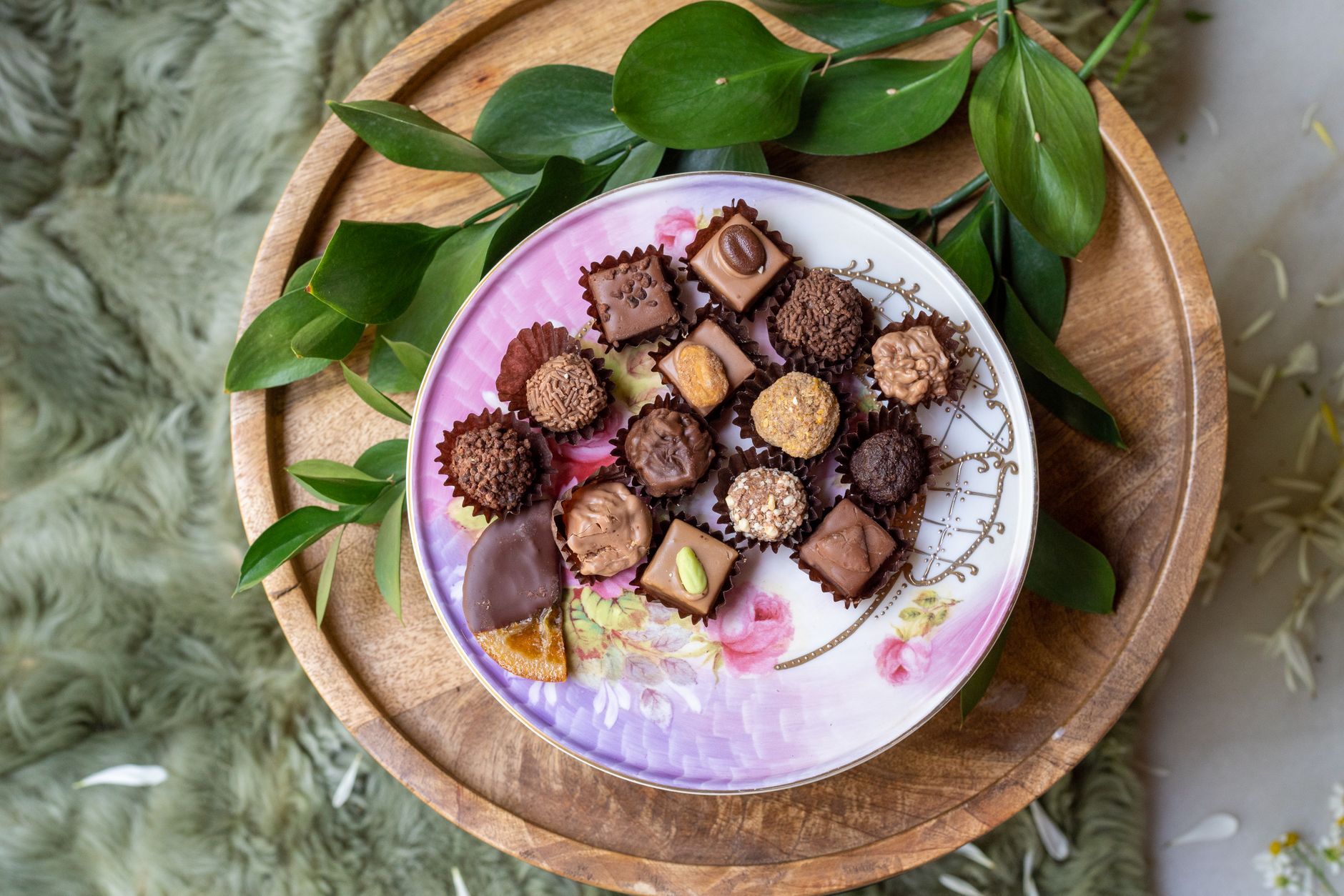
The origins of Dubai chocolate can be traced back to the rich cultural tapestry of the Middle East and the broader influence of trade and exploration. Dubai, known for its luxury and innovation, has integrated traditional chocolate-making techniques with modern flavors, resulting in unique creations.
As a city that has embraced both its heritage and contemporary culinary trends, the journey of chocolate in Dubai is both fascinating and delicious. This article delves into its history, the ingredients that have shaped its flavor profiles, and how Dubai’s chocolatiers are pioneering new tastes.
Where Did Dubai Chocolate Come From?
Dubai chocolate originated from the historical trade routes that passed through the region, blending local ingredients and global influences. The rise of luxury chocolate brands in Dubai reflects both the city’s diverse population and its position as a global trade hub.
The Historical Context of Chocolate
Before understanding Dubai’s chocolate scene, it’s essential to explore chocolate’s history. Chocolate has its roots in ancient Mesoamerican cultures, where cacao was revered. The Mayans and Aztecs prepared drinks made from cacao beans, often flavored with spices and sometimes served during rituals.
The introduction of chocolate to Europe in the 16th century marked its transformation into a sweet delicacy. Various recipes evolved as chocolate spread across the continent, eventually reaching the Middle East through trade routes.
The Introduction of Chocolate to the Middle East
In the 19th century, chocolate made its way to the Middle East, influenced by European techniques. With Arab traders facilitating the exchange of goods, local flavors began to meld with European chocolate traditions.
As the popularity of chocolate grew, it became more than just a beverage; it evolved into an ingredient for desserts and confections. But what makes Dubai’s chocolate distinctly unique is how local ingredients, such as spices and dates, are integrated into chocolate creations.
Dubai: A Culinary Melting Pot
Dubai’s modern chocolate scene is characterized by its diversity, owing to its multicultural population. Chocolatiers in Dubai often experiment with flavor combinations that reflect the rich tapestry of cultures found in the city.
Traditional Middle Eastern flavors, such as saffron, cardamom, and rose water, find their way into various chocolate products, creating a delightful fusion.
Influential Chocolatiers in Dubai
Dubai is home to numerous chocolatiers who are redefining the chocolate experience. Here are a few notable names:
- Forrey & Galland: Known for their artisanal chocolates, Forrey & Galland uses high-quality ingredients to create exquisite pralines and bonbons, often incorporating local flavors.
- Patchi: A premium chocolate brand, Patchi offers a vast array of products, from gourmet chocolates to personalized gifts, celebrating the essence of luxury combined with local flair.
- Mirzam: Standing out for its commitment to bean-to-bar practices, Mirzam sources cacao from East Africa and creates blends enhanced with local spices and ingredients, enriching the flavors of traditional chocolate.
The Ingredients that Shape Dubai Chocolate
The flavor of Dubai chocolate is significantly influenced by the choice of ingredients used. From types of chocolate to local flavorings, each element plays a crucial role in defining the product.
Cacao Beans
While some chocolates in Dubai are made with locally sourced cacao, a majority utilize high-quality beans imported from regions renowned for cacao production, like Venezuela or the Ivory Coast. These beans serve as the base for various chocolate experiments.
Local Additions
Chocolatiers in Dubai recognize the richness of natural flavors found in the Middle East. Here are some commonly used local ingredients:
- Dates: Often used in truffles or as a filling for chocolates, dates combine sweetness with a chewy texture.
- Spices: Cardamom, cinnamon, and saffron are popular choices that add warmth and depth to chocolates.
- Rose Water: This fragrant addition provides a floral note that complements darker chocolates beautifully.
The Chocolate-Making Process in Dubai
Making chocolate in Dubai, whether on a small artisanal scale or in a lavish factory setting, follows a detailed process that entails several steps:
1. Sourcing Cocoa Beans
The first step involves sourcing high-quality cocoa beans, which form the foundation of the chocolate. Chocolatiers often travel to cacao-producing countries to select the best beans.
2. Roasting
The beans are roasted at precise temperatures to enhance their flavor. This step is crucial because it develops the chocolate’s overall taste profile.
3. Winnowing
After roasting, the beans are cracked open, and the shell is separated from the nibs. The nibs are the edible part, which will later be ground into chocolate.
4. Grinding
The nibs are ground into a paste known as chocolate liquor. This process releases the cocoa butter, creating a smooth consistency. The chocolate liquor may either be further processed into unsweetened chocolate or mixed with sugar and additional ingredients to create sweet chocolate.
5. Conching
During conching, the chocolate is continuously mixed and aerated to enhance its texture and flavor. This process can take several hours and is vital for achieving a silky chocolate experience.
6. Tempering
Tempering involves carefully cooling the chocolate to stabilize it for a glossy finish and a satisfying snap when broken. This step is essential for moldable chocolates and bars.
7. Molding and Cooling
Finally, the tempered chocolate is poured into molds and cooled, solidifying into the desired shapes and textures.
Variations of Dubai Chocolate
Dubai has introduced numerous variations of chocolate that cater to diverse palates. Here are some popular forms:
Chocolate Bars
Chocolatiers often experiment with different percentages of cocoa and unique flavor combinations. Dark chocolate bars enhanced with spices or Mediterranean flavors are popular among locals.
Chocolate Truffles
These decadent treats often feature fillings made with date pastes or flavored creams, combining the richness of chocolate with local tastes.
Customized Chocolate Gifts
Personalization has become a popular trend. Many chocolatiers offer ways to customize chocolate assortments for special occasions, incorporating a variety of flavors and textures.
Pairing Chocolate with Beverages
In Dubai, pairing chocolate with beverages has become an art of its own. Here are some tips for creating delightful combinations:
Coffee
Rich chocolates pair beautifully with coffee. Chocolate-covered espresso beans or dark chocolates served alongside a coffee can amplify the flavors of both.
Tea
Tea, especially spiced varieties like chai, pairs well with chocolates infused with cardamom or cinnamon.
Wine
Wine enthusiasts can enjoy dark chocolate with bold red wines, as the complexities of both can elevate the tasting experience.
Health Benefits of Chocolate
While indulging in chocolate, it’s worth noting some of its health benefits. Dark chocolate, in moderation, is known to contain antioxidants and may have heart-health benefits.
These benefits, however, can vary depending on the chocolate’s cocoa content and added ingredients. It is imperative to consume chocolate in moderation, focusing on high-quality options.
Common Mistakes When Enjoying Chocolate
While chocolate is a beloved treat, it’s easy to make some common errors when enjoying it:
- Choosing low-quality chocolate can detract from its enjoyment. Always opt for chocolate with a higher cocoa content for better flavor.
- Storing chocolate poorly can alter its texture. Chocolate should be kept in a cool, dry place, away from strong odors.
- Serving chocolate at the wrong temperature can affect its taste and texture. Let it sit at room temperature before serving for optimal enjoyment.
Making Chocolate at Home
Creating chocolate at home can be a fun and rewarding experience. While it may be challenging to replicate the artistry of Dubai’s chocolatiers, here’s a basic method to make simple chocolate using cocoa powder.
Ingredients
- 1 cup cocoa powder
- 1/2 cup cocoa butter
- 1/2 cup powdered sugar
- 1 tsp vanilla extract
- Pinch of salt
Essential Equipment
- Bowl
- Double boiler or microwave-safe bowl
- Whisk
- Chocolate molds
- Spatula
Steps
- In a double boiler or microwave, melt the cocoa butter until liquid.
- Remove from heat and whisk in cocoa powder, powdered sugar, vanilla extract, and salt until smooth.
- Pour the chocolate mixture into molds and refrigerate until set.
- Once set, remove from molds, and enjoy your homemade chocolate!
Storing Chocolate
Proper storage will extend the life of chocolate significantly. Here are essential tips for storing chocolate:
- Keep chocolate in a cool, dry place, away from direct sunlight.
- Avoid refrigerating unless necessary, as moisture can cause sugar bloom (a white powdery appearance).
- Store in airtight containers to prevent absorption of odors and moisture from the air.
The Future of Chocolate in Dubai
As Dubai continues to evolve as a culinary destination, the chocolate scene is likely to flourish. The city’s embrace of innovation and high-quality ingredients will pave the way for new chocolate products and experiences.
With its unique blend of cultural influences and modern techniques, Dubai’s chocolate may lead to more exploration and creativity in flavor development, attracting both locals and tourists to taste its delicious offerings.
Exploring the world of chocolate in Dubai can be an adventure of flavors and experiences. Whether savoring locally made truffles or experimenting with craft chocolate at home, there’s much to discover.
As you delve into the world of Dubai chocolatier, consider exploring exciting recipes like the Dubai chocolate recipe or enjoying a comforting cup of Mexican hot chocolate for a delightful twist on traditional cocoa.