
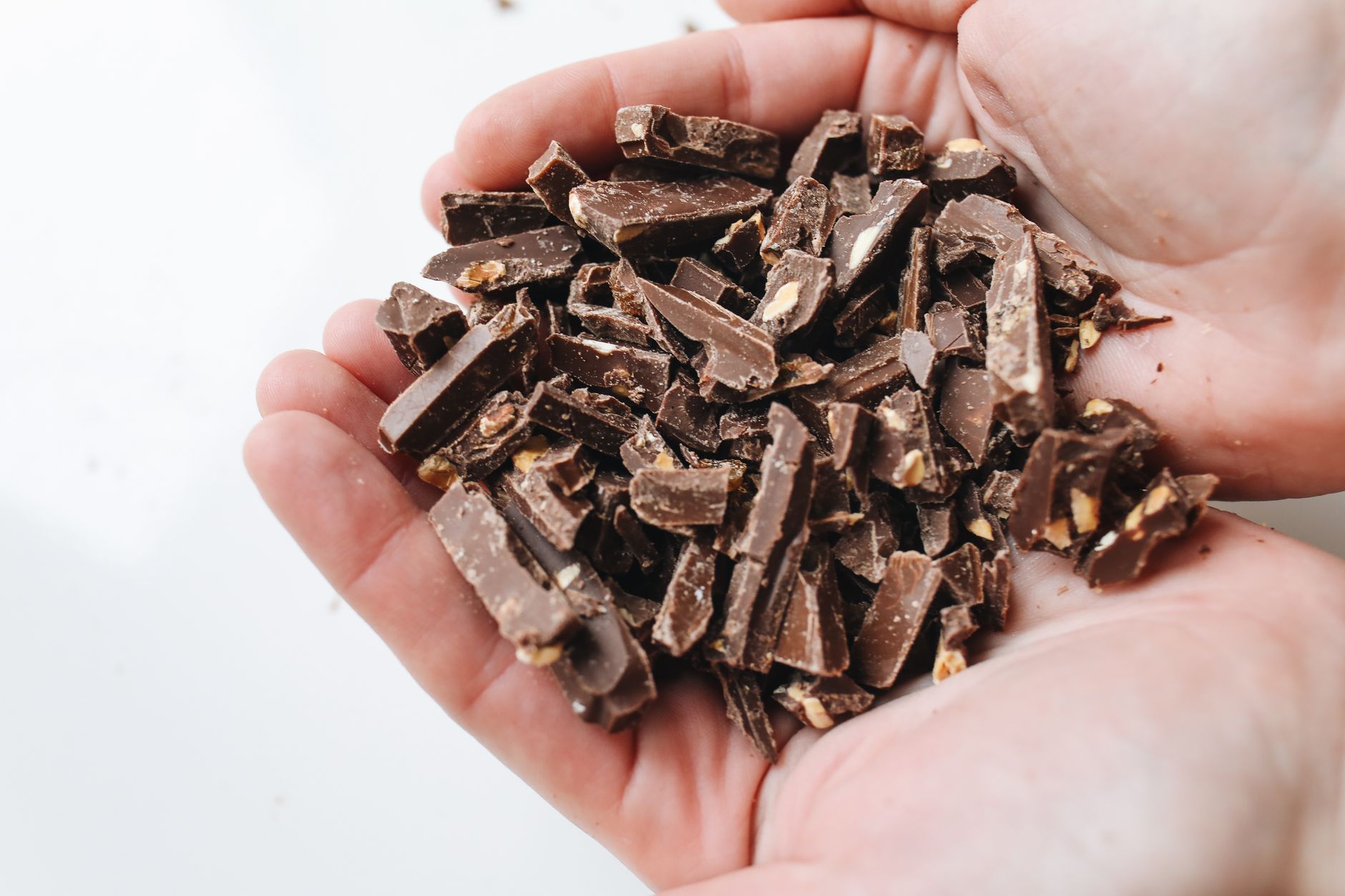
Dark chocolate, often celebrated for its rich flavor and complexity, also carries a plethora of health benefits. This delightful treat is not only a satisfying dessert but can also contribute positively to your overall health when consumed in moderation. Understanding how dark chocolate can be good for you can help you make informed choices for your diet.
In this article, we will explore the nutritional profile of dark chocolate, the various health benefits it offers, and the recommended portions to incorporate it into your diet. Whether you’re a chocolate enthusiast or someone looking to add a tasty and healthy snack to your meals, this guide will provide valuable insights.
How Is Dark Chocolate Good for You?
Dark chocolate, particularly those with a high cocoa content (70% or greater), is good for you due to its rich assortment of nutrients and beneficial compounds. It is packed with antioxidants, minerals, and healthy fats that can benefit heart health, brain function, and even skin health.
Nutritional Profile of Dark Chocolate
To understand how dark chocolate can benefit your health, it’s essential to look at its nutritional content. Here’s a closer look at what makes it a nutritious choice:
- Calories: Dark chocolate is calorie-dense, so consumption should be moderated. Approximately 1 ounce (28g) of dark chocolate contains about 170-190 calories.
- Fat: Contains healthy fats, including oleic acid (a heart-healthy monounsaturated fat), as well as saturated fat.
- Carbohydrates: Dark chocolate is lower in sugar compared to milk chocolate, making it a better option for those monitoring sugar intake.
- Fiber: Depending on the cocoa content, it can contain a significant amount of dietary fiber, which is beneficial for digestive health.
- Vitamins and Minerals: Dark chocolate is rich in essential minerals including iron, magnesium, copper, and manganese, which are vital for various body functions.
- Antioxidants: Contains flavonoids, which are known for their anti-inflammatory properties and ability to combat oxidative stress.
Health Benefits of Dark Chocolate
Regular consumption of dark chocolate can lead to various health benefits. Below are some of the most notable:
1. Heart Health
Dark chocolate may improve heart health by lowering blood pressure, improving blood flow, and reducing the risk of heart disease. The flavonoids in dark chocolate help relax blood vessels and improve circulation, which can contribute to better cardiovascular health.
2. Brain Function
Consumption of dark chocolate may enhance cognitive function and improve memory. The flavonoids found in dark chocolate can increase blood flow to the brain, potentially enhancing cognitive performance and reducing the risk of neurodegenerative diseases.
3. Skin Health
The bioactive compounds in dark chocolate can help improve skin quality. Increased blood flow caused by flavonoids can lead to better skin hydration and protection against harmful UV rays. However, remember that moderation is key to avoid excess calories and fat.
4. Mood Enhancement
The phenylethylamine in dark chocolate can stimulate the brain to release endorphins, the hormones responsible for feelings of happiness. Eating dark chocolate can promote a sense of well-being and may help alleviate symptoms of anxiety and depression.
5. Diabetes Management
Dark chocolate’s lower sugar content and its potential to improve insulin sensitivity make it a viable option for those managing diabetes. The flavonoids can help regulate blood sugar levels, although it’s crucial to consult a healthcare professional before making any dietary changes.
6. Reduced Inflammation
The antioxidants in dark chocolate can fight oxidative stress and inflammation in the body. Chronic inflammation is linked to numerous diseases, so incorporating dark chocolate into a balanced diet may help reduce these risks.
Choosing the Right Dark Chocolate
When shopping for dark chocolate, it’s essential to select varieties that maximize health benefits:
- Cocoa Content: Look for chocolate with at least 70% cocoa content. Higher percentages generally contain more flavonoids and less sugar.
- Ingredients: Choose products with minimal ingredients. Ideally, the chocolate should consist of cocoa solids, cocoa butter, sugar, and possibly a small amount of vanilla. Avoid products with excessive added ingredients or artificial flavors.
- Organic Options: Organic dark chocolate may be preferable, as it typically contains fewer pesticides and additives.
Portion Control and How to Enjoy Dark Chocolate
While dark chocolate offers numerous health benefits, moderation is key. Here’s how to incorporate it into your diet effectively:
Recommended Portion
A daily serving size of dark chocolate is generally around 1 ounce (28 grams). This portion strikes a balance, providing enough antioxidants and nutrients without excessive calories.
Ways to Enjoy Dark Chocolate
Dark chocolate is incredibly versatile and can be enjoyed in various ways:
- As a Snack: Enjoy a piece of dark chocolate by itself as a satisfying treat.
- In Smoothies: Blend dark chocolate shavings into your favorite smoothie for added flavor and health benefits.
- With Nuts: Combine dark chocolate with nuts for a delicious and nutritious snack that provides protein and healthy fats.
- Baked Goods: Incorporate dark chocolate into recipes in moderation, such as brownies or muffins, to enhance flavor while still benefiting from its nutrients.
- Hot Chocolate: Make a cozy drink with dark chocolate by melting it into warm milk or a dairy alternative. Enhance it with spices like cinnamon or nutmeg.
Common Mistakes When Eating Dark Chocolate
While indulging in dark chocolate can be beneficial, here are some common mistakes to avoid:
- Overconsumption: Eating too much dark chocolate can lead to excess calorie intake, counteracting its health benefits.
- Choosing Low-Quality Chocolate: Not all dark chocolate is created equal. Low-quality products often contain fillers and less cocoa, providing fewer health benefits.
- Ignoring Added Sugars: Some brands add excessive sugars or unhealthy fats, which can negate the positive effects of dark chocolate.
Storage Tips for Dark Chocolate
To maintain the quality of dark chocolate, proper storage is essential:
- Cool and Dark Place: Store dark chocolate in a cool, dark place away from heat and humidity to prevent it from melting or becoming discolored.
- Seal It Well: Keep it in an airtight container to avoid the absorption of odors from other foods.
- Avoid Refrigeration: While it may be tempting to refrigerate dark chocolate, doing so can alter its texture and lead to condensation.
Conclusion
Dark chocolate is a delicious treat that can also offer numerous health benefits when consumed in moderation. By understanding its nutritional profile, selecting the right varieties, and practicing portion control, you can incorporate dark chocolate into your diet effectively. Enjoy it mindfully, savoring not only its flavors but also its positive contributions to your health.
For more creative ways to incorporate nutritious ingredients into your meals, explore our chia pudding recipe or treat yourself to a warm Mexican hot chocolate recipe that combines the benefits of dark chocolate with delightful spices.