
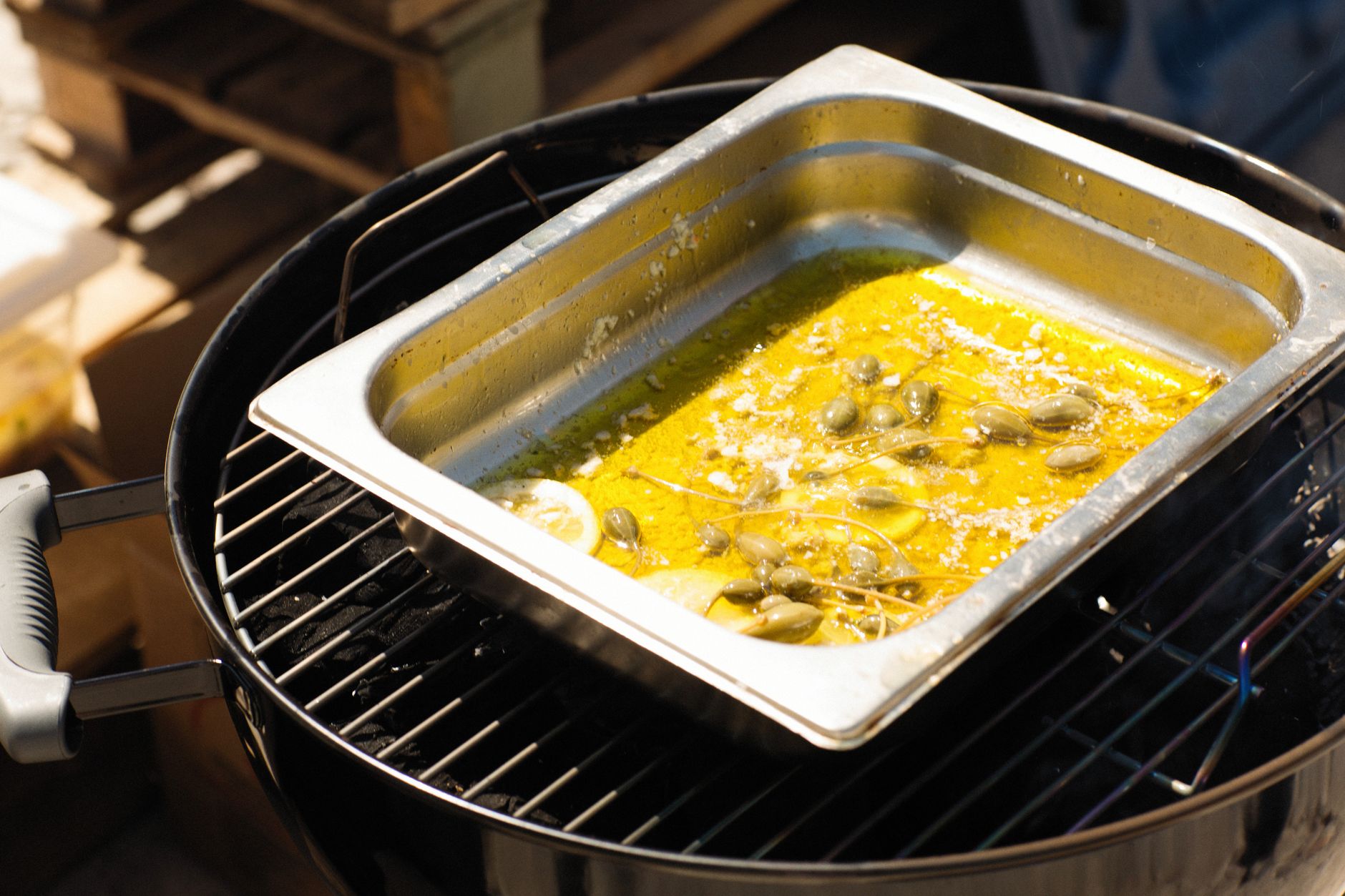
Sous vide is a cooking method that involves sealing food in bags and cooking it to a precise temperature in a water bath. This innovative technique has gained popularity in both home kitchens and professional restaurants for its ability to produce perfectly cooked meals with minimal effort.
Understanding how sous vide works can expand your culinary skills and increase your confidence in the kitchen. This article explores the mechanics behind sous vide cooking, its various applications, benefits, essential equipment, tips for success, and delicious serving ideas.
How Does Sous Vide Work?
Sous vide works by immersing food in a water bath at a controlled temperature, allowing it to cook evenly and retain moisture. Unlike traditional cooking methods, which often involve high heat that can lead to uneven cooking, sous vide maintains an accurate temperature throughout the cooking process.
This method ensures that proteins, vegetables, and other ingredients reach the desired doneness without the risk of overcooking. The food is vacuum-sealed in plastic bags, which eliminates air pockets and enhances flavor infusion.
Essential Equipment for Sous Vide Cooking
To embark on your sous vide cooking journey, you’ll need some key equipment. These tools are vital in executing sous vide cooking effectively.
- Sous Vide Immersion Circulator: This device heats water to a specific temperature and circulates it for even cooking. Choose a model that offers accurate temperature settings and reliable performance.
- Vacuum Sealer: A vacuum sealer removes air from plastic bags, ensuring a tight seal that enhances flavor and prevents water from entering the bags. Although not mandatory, it’s highly recommended for best results.
- Resistant Bags: Look for BPA-free polyethylene or nylon bags that can withstand heat. Alternatively, use canning jars if you prefer cooking without vacuum-sealing.
- Container for Water Bath: A large pot or storage container holds the water bath. Insulated containers can help reduce heat loss during longer cooking times.
Understanding Temperature and Cooking Times
One of the most significant advantages of sous vide cooking is the ability to control temperature precisely. Cooking times and temperatures depend on the type of food you’re preparing.
Common Cooking Temperatures and Times
Here are some guidelines for cooking various foods sous vide:
| Food Type | Temperature (°F) | Cooking Time |
|---|---|---|
| Beef Steak | 130–140 | 1–4 hours |
| Pork Tenderloin | 140 | 1–4 hours |
| Chicken Breast | 140–165 | 1–2 hours |
| Eggs | 145–165 | 45 minutes |
| Vegetables | 183–185 | 45 minutes to 2 hours |
The longer you cook your food at the right temperature, the more tender and flavorful it becomes. However, you don’t want to cook too long to avoid undesirable texture changes, especially with meats.
Benefits of Sous Vide Cooking
Sous vide cooking offers numerous benefits that contribute to its rising popularity.
- Precision: Cooking to a precise temperature eliminates the guesswork, ensuring food is cooked to the desired level every time.
- Flavor Retention: Sealing food in bags locks in moisture and flavors, leading to juicier results.
- Convenience: You can cook multiple servings at once and hold them at the desired temperature until you’re ready to serve.
- Versatility: Sous vide can be applied to various foods, including meats, seafood, vegetables, and even desserts.
Tips for Successful Sous Vide Cooking
Achieving the best results with sous vide requires attention to detail. Here are some essential tips to keep in mind:
1. Ensure Proper Vacuum Sealing
Using a vacuum sealer is the best way to remove air. If you don’t have one, you can use the water displacement method: slowly lower a zip-top bag filled with food into the water, allowing the water pressure to force air out, then seal.
2. Use a Reliable Thermometer
While sous vide devices are generally accurate, using a food thermometer allows you to double-check the temperature of your water bath and ensure food safety.
3. Submerge Bags Completely
Make sure food bags are fully submerged in the water. If they float, use weights or clips to keep them submerged.
4. Hygiene is Key
Be vigilant about food safety by using clean equipment and ensuring meats are fresh. Vacuum-sealing can help prevent bacterial growth.
5. Experiment with Flavors
Sous vide cooking is an excellent opportunity to infuse flavors. Use marinades, herbs, and spices to enhance your dishes. You can also add aromatics like garlic or citrus.
Common Mistakes to Avoid
While sous vide cooking is relatively straightforward, common pitfalls can affect your results.
- Poor Temperature Control: Always monitor the water temperature to avoid overcooking or undercooking food.
- Overcrowding the Bath: Avoid placing too many bags in the water at once, as this can prevent proper circulation and heating.
- Neglecting Browning: Sous vide alone doesn’t give food a desirable sear. Consider finishing your dishes with a quick sear in a hot pan or with a torch.
- Holding Time: While sous vide allows for extended cooking times, excessive durations can compromise texture. Stick to recommended times.
Serving Ideas and Pairings
After preparing your sous vide meal, consider these creative serving ideas:
1. Sous Vide Steak
Finish with a quick sear in a hot cast-iron skillet for a delicious crust. Serve alongside garlic mashed potatoes and roasted vegetables for a hearty meal.
2. Chicken Breast
Sous vide chicken can be served sliced on a fresh salad to retain its juiciness. Pair with a light vinaigrette for a refreshing dish.
3. Perfect Eggs
Sous vide eggs can be served on toast or made into creamy custard bases for desserts. Try them as a base for a breakfast bowl with avocado and salsa.
4. Vegetables
Sous vide vegetables can be seasoned and served as a side dish. Pair with a drizzle of balsamic reduction or fresh herbs for added flavor.
Conclusion
Sous vide cooking is an innovative method that can transform your culinary experience. By following the principles of controlled temperature, proper sealing, and timing, you can create mouthwatering meals. Embrace sous vide cooking today and take your skills to the next level.
Explore related recipes, cooking tips, or food guides such as our Sous Vide Egg Bites Recipe and Sous Vide Chicken Breast Recipe for more delicious inspiration.