
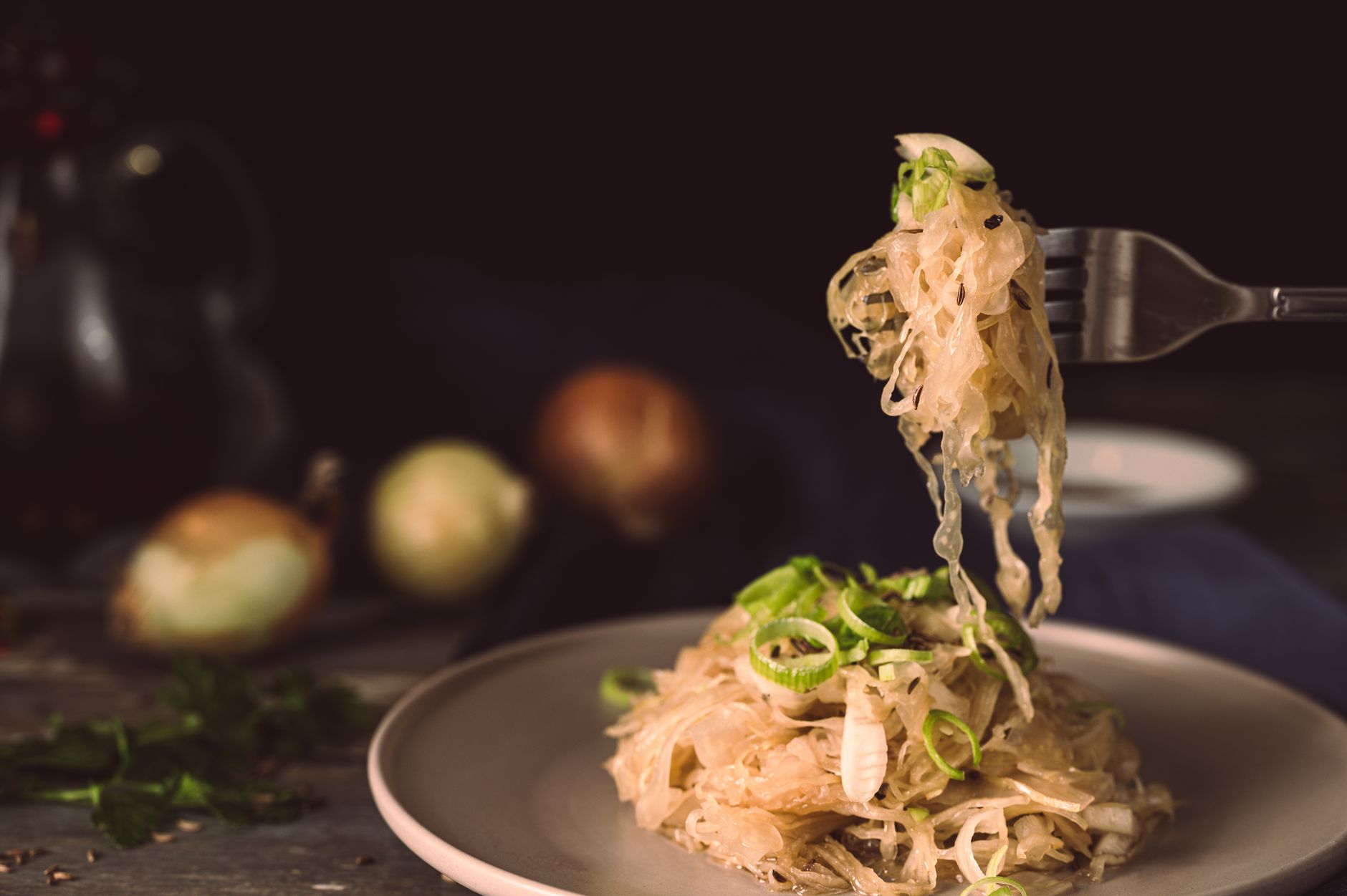
Sauerkraut is a fermented cabbage dish known for its tangy flavor and crunchy texture. This age-old preparation offers not just unique taste but also numerous health benefits. Making sauerkraut at home is a straightforward process that requires only a few ingredients, making it an ideal project for those looking to enhance their culinary repertoire.
The result is a delicious condiment that enhances a wide range of dishes, from sandwiches to sausages, and provides a satisfying crunch and acidity. Let’s explore the ingredients, equipment, and step-by-step instructions for crafting your very own sauerkraut!
How Do You Make Sauerkraut?
Making sauerkraut is a simple process involving just cabbage and salt, along with your chosen seasoning for added flavor. After preparing the ingredients and allowing the mixture to ferment, you will be rewarded with a batch of homemade sauerkraut ready to enjoy.
Ingredients for Sauerkraut
- 1 medium green cabbage (around 2-3 pounds)
- 1 to 3 tablespoons sea salt (non-iodized, coarse salt is preferred)
- Optional flavorings:
- Caraway seeds
- Juniper berries
- Garlic cloves (minced)
- Other spices or herbs per preference
Essential Equipment
- A large mixing bowl
- A sharp knife or mandoline slicer
- Measuring spoon
- A clean glass jar or ceramic crock (with a capacity of at least 1 quart)
- A weight (such as a clean rock, or a small bowl) to keep the cabbage submerged
- A clean cloth or lid to cover the jar during fermentation
Step-by-Step Instructions for Making Sauerkraut
- Prepare the Cabbage: Remove the outer leaves of the cabbage, and then cut the cabbage into quarters. Remove the core and slice the quarters into thin shreds. A mandoline slicer can ensure even, thin slices, but a sharp knife works well too.
- Mix with Salt: In a large mixing bowl, combine the shredded cabbage with the salt. Start with 1 tablespoon of salt and add more if desired later. The salt will draw moisture from the cabbage and initiate the fermentation process. Massage the cabbage with your hands for a few minutes until it begins to soften and release its juices.
- Pack the Jar: Transfer the cabbage mixture into your clean glass jar or crock, packing it down tightly. Press down using your hands or a pestle to ensure that the cabbage is submerged in its own juices. Leave some headspace at the top of the jar to account for expansion during fermentation.
- Submerge the Cabbage: If there isn’t enough liquid to cover the cabbage, you can make a brine by dissolving 1 teaspoon of salt in a cup of water and adding it to the jar. Place a weight on top of the packed cabbage to keep it submerged beneath the brine and prevent exposure to air, which can cause spoilage.
- Cover the Jar: Cover the jar with a clean cloth or a lid. If using a lid, do not seal it tightly, as fermentation produces gases that need to escape. A loose lid or cloth will allow for ventilation.
- Ferment: Leave the jar at room temperature (ideally around 65°F to 75°F) to ferment for about 1 to 4 weeks, depending on your taste preference and temperature. Check on the sauerkraut every few days, pressing it down if necessary to keep it submerged. Taste it after a week and continue fermenting until the desired flavor and texture are achieved.
- Store the Sauerkraut: Once the sauerkraut has finished fermenting, transfer it to the refrigerator. It can be stored there for several months. The cold temperature slows down fermentation, preserving its flavor and crunch.
Flavor Variations and Substitutions
Making sauerkraut is versatile—you can experiment with different flavors to suit your preferences.
Spices and Herbs
– **Caraway Seeds**: These seeds add a distinctive flavor reminiscent of rye bread.
– **Juniper Berries**: Provides a fresh, pine-like quality.
– **Garlic**: Adds depth and a flavorful punch.
Feel free to play around with the quantities and combinations of these spices. Just remember that adding too many can overpower the traditional flavor of sauerkraut.
Other Vegetables
You can introduce other veggies alongside cabbage for additional texture and flavor. Common choices include:
– **Carrots**: Shred and add them for natural sweetness and color.
– **Radishes**: Add a peppery bite.
– **Beets**: These can give your sauerkraut a vibrant color and earthy flavor.
When adding any of these ingredients, keep the overall vegetable mass similar to the original recipe, ensuring you use the same ratio of salt.
Common Mistakes to Avoid
While sauerkraut is forgiving, certain mistakes can derail your efforts:
– **Skipping the Salt**: Salt is crucial for fermentation. Using too little can lead to spoilage, while too much can result in overly salty sauerkraut. Stick to the recommended range.
– **Insufficient Packing**: Make sure to pack the cabbage tightly into the jar. Insufficient packing can lead to exposure to air and spoilage.
– **Fermenting in a Warm Environment**: If the environment is too warm, it can lead to off-flavors or spoilage. Aim for a consistent, moderate temperature.
– **Ignoring the Brine**: Ensure that the cabbage is submerged in its brine. If you see mold on the surface, remove it immediately, but as long as the cabbage is submerged, the rest should be unaffected.
Troubleshooting Sauerkraut
If your sauerkraut isn’t developing as expected, here are some solutions:
– **Too Salty**: If you find your sauerkraut too salty, consider diluting it by rinsing it under cold water before serving or mixing it with plain shredded cabbage if you have extras.
– **Bubbly or Foamy**: A little foam is normal during fermentation due to the gases released. However, excessive foam or bubbling can indicate temperature issues. Ensure your jar isn’t too warm.
– **Soft Texture**: If your sauerkraut turns out mushy, it might be due to over-fermentation or excessive moisture. Ensure proper packing, brining, and storage.
Serving Suggestions
Sauerkraut pairs well with a variety of dishes, enhancing flavors and adding crunch. Here are some delicious ways to serve your homemade sauerkraut:
– **On Sandwiches**: Top a Reuben or any deli-style sandwich with sauerkraut for added zest.
– **With Sausages**: Serve alongside sausages, bratwursts, or hot dogs to contrast with the richness of the meat.
– **In Salads**: Stir sauerkraut into potato salad or grain salads for a tangy twist.
– **As a Side Dish**: Serve it simply as a side, seasoned with a touch of caraway seeds or mustard for flavor.
Make-Ahead Guidance
Making sauerkraut at home is a fulfilling endeavor. It can easily be made in larger batches to last for events or weekly meals. Here are some tips for getting started:
– **Batch Preparation**: You can double or triple the recipe, dividing it into smaller jars for easy storage and sharing.
– **Long-Term Storage**: Store sauerkraut in airtight jars in the fridge after fermentation. Properly stored, it can last for several months.
– **Use in Meal Prep**: Incorporate sauerkraut into your meal prep by using it in bowls, salads, or as toppings throughout the week.
How to Enjoy Sauerkraut Beyond the Basics
While many people enjoy sauerkraut in its traditional form, there are numerous innovative ways to incorporate it into meals:
– **Sauerkraut Soup**: Add sauerkraut to soups for an acidic lift.
– **Fermented Salsa**: Mix sauerkraut with diced tomatoes, onions, and herbs for a unique twist on salsa.
– **Savory Pancakes**: Combine with batter for a savory take on pancakes.
– **Garnish for Fish**: Serve a spoonful as a garnish for grilled or smoked fish dishes.
Each of these ideas showcases the versatility of sauerkraut, taking it beyond just a side dish.
Storage and Reheating Guidance
Once your sauerkraut is fully fermented, here’s how to ensure it stays fresh:
– **Refrigeration**: Store sauerkraut in glass jars with lids or airtight containers to keep it crisp and flavorful.
– **Serving Size**: When serving, use clean utensils to avoid contamination and extend the shelf life.
– **Reheating**: If desired, reheat sauerkraut gently on the stove over low heat. Avoid boiling, as high temperatures can destroy live cultures.
Making your own sauerkraut is an invaluable skill that not only enhances your food repertoire but enriches your diet with a fermented product that can be used in countless dishes. With just cabbage, salt, and a little patience, you’ll create a tangy and flavorful side that complements many meals.
Explore related recipes, cooking tips, and food guides to enhance your culinary journey. Check out our Napa Cabbage Recipe for another crunchy dish and try our Pickling Spice Recipe for additional flavors to experiment with in your fermentation adventures.