
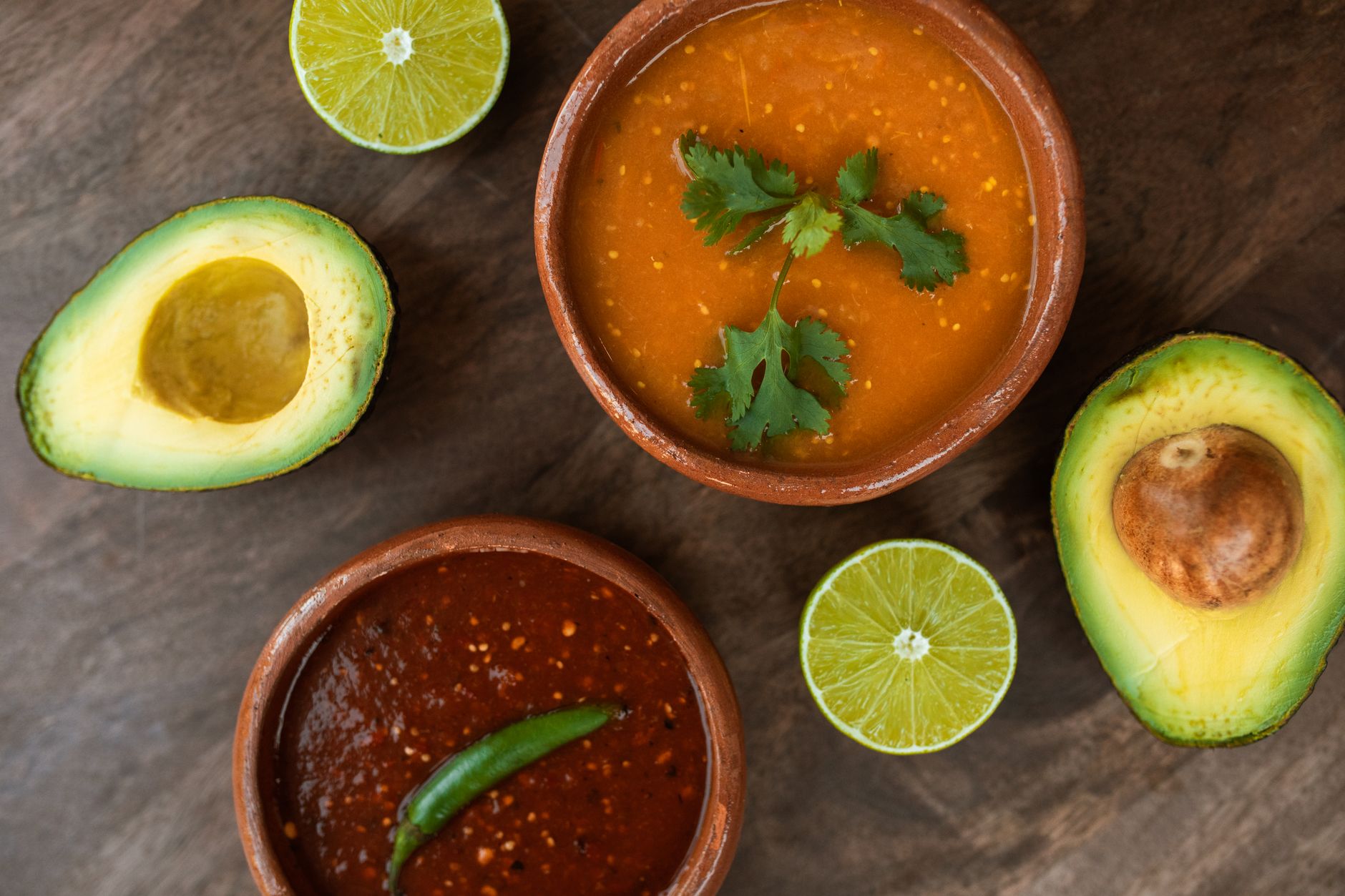
Making homemade salsa is a delicious and versatile way to elevate your meals and snacks. Whether you’re serving it with tortilla chips, drizzling it over tacos, or adding it to grilled chicken, fresh salsa brings an explosion of flavor that store-bought options often lack.
This article will guide you through the essential ingredients and steps for making homemade salsa, along with tips for variations, troubleshooting, and storage. By the end, you’ll be ready to whip up a savory batch of salsa that is sure to impress.
How Do You Make Homemade Salsa?
To make homemade salsa, you’ll need fresh vegetables, herbs, and spices, which can be blended to your desired consistency. The basic ingredients include tomatoes, onions, cilantro, lime juice, and jalapeños. You can customize the recipe to suit your taste preferences!
Ingredients for Homemade Salsa
- 4 ripe tomatoes, diced
- 1 small onion, finely chopped
- 1-2 jalapeño peppers, seeded and minced (adjust based on heat preference)
- 1/2 cup fresh cilantro, chopped
- Juice of 1 lime
- Salt, to taste
- Optional: 1 clove garlic, minced; 1/2 teaspoon cumin; 1/2 teaspoon sugar
Understanding the Ingredients
Each ingredient in salsa contributes unique flavors and textures:
- Tomatoes: They form the base of the salsa with their juicy sweetness.
- Onions: Provide a sharp, savory flavor that balances the sweetness of the tomatoes.
- Jalapeños: Add heat; feel free to adjust or swap for milder peppers.
- Cilantro: Offers a fresh, herbal tone; some prefer parsley as a substitute.
- Lime juice: Brightens the flavor and adds acidity.
- Salt: Enhances all the other flavors.
- Optional ingredients: Garlic adds depth; cumin gives a smoky note, while sugar can balance acidity.
Essential Equipment
- Cutting board
- Sharp knife
- Mixing bowl
- Stirring spoon or spatula
- Optional: food processor or blender for a smoother salsa
Step-by-Step Instructions
- Begin by preparing your ingredients. Dice the tomatoes, chop the onion, and mince the jalapeños. Consider wearing gloves when handling the peppers for easier cleanup.
- In a mixing bowl, combine the diced tomatoes, chopped onion, minced jalapeños, and chopped cilantro.
- Add the juice of one lime and salt to taste. If desired, include minced garlic, cumin, and sugar for added flavor.
- Stir the ingredients well until combined. Taste for seasoning and adjust as needed.
- If you prefer a smoother salsa, transfer your mixture to a food processor or blender. Pulse to your desired consistency.
- Let the salsa sit for at least 30 minutes in the refrigerator to allow the flavors to meld together before serving.
Tips for Perfecting Your Salsa
Texture Considerations
Salsa can be chunky or smooth, depending on your preference. If you like chunkier salsa, keep your chopping rough. For a smoother consistency, blend it until the ingredients are finely combined.
Choosing the Right Tomatoes
Ripe vine tomatoes are ideal for salsa due to their sweetness and moisture content. You can also experiment with different tomato varieties, such as Roma or San Marzano, for unique flavors.
Balancing Flavors
Achieving a perfect flavor balance is essential. If your salsa tastes too acidic, try adding a pinch of sugar. If too bland, a bit more salt or lime juice can enhance the flavor.
Storage Tips
Homemade salsa can be stored in an airtight container in the refrigerator for up to 5 days. The flavors often deepen and improve after a day or two. However, it’s best consumed fresh for optimal taste.
Variations on Homemade Salsa
While the basic salsa recipe is delicious on its own, there are countless variations to explore:
- Pineapple Salsa: Add diced pineapple for a sweet and tangy twist.
- Mango Salsa: Diced mango brings brightness and sweetness; pair with fish or chicken.
- Corn Salsa: Mix in fresh or grilled corn for extra texture.
- Roasted Salsa: Roast tomatoes, peppers, and onions before blending for a deeper flavor.
- Black Bean Salsa: Add canned black beans for heartiness and protein.
- Smoky Salsa: Include smoked jalapeños or chipotle peppers for a spicy, smoky flavor.
Common Mistakes and Troubleshooting Tips
Making salsa is simple, but several common pitfalls can arise:
Overpowering Heat
If your salsa turns out too hot, try incorporating more diced tomatoes to dilute the heat. Adding sugar can also help balance the spiciness.
Watery Consistency
To remedy a watery salsa, ensure you remove excess seeds and pulp from the tomatoes before dicing. If too wet after mixing, let it sit in a fine mesh strainer for a few minutes to drain excess moisture.
Not Enough Flavor
Insufficient seasoning can lead to bland salsa. Always taste and adjust seasoning incrementally, as flavors can be enhanced by salt, lime juice, and spices.
Serving Suggestions
Homemade salsa is incredibly versatile. Here are several ways to enjoy it:
- As a dip with tortilla chips or pita chips.
- As a topping for tacos, burritos, or nachos.
- Mixed into grilled chicken or fish for added flavor.
- Stirred into scrambled eggs or omelets for breakfast.
- As a dressing for salads or vegetable bowls.
Make-Ahead Guidance
Homemade salsa can easily be made ahead. Prepare it up to two days in advance and store it in the refrigerator. This allows the flavors to meld and enhances the overall taste.
Storage and Reheating Guidance
While salsa is typically served cold, any leftovers can be stored in an airtight container in the refrigerator for up to 5 days. Salsa does not freeze well due to its texture, but if you must freeze it, try using it in cooked dishes later.
Special Diet Considerations
Homemade salsa is naturally vegan and gluten-free, making it an excellent choice for various dietary preferences. If you have allergies, always double-check the ingredients and avoid anything that could be a concern, such as specific peppers or herbs.
Making homemade salsa is an enjoyable and rewarding kitchen endeavor. With fresh ingredients that you can customize to your taste, you’ll likely find yourself wanting to whip up a new batch regularly. Whether you stick to the classic recipe or try one of the variations outlined above, the possibilities are endless.
Now that you know how to make homemade salsa, why not try a spicy habanero salsa or explore a smoky salsa recipe? Both options can add exciting flavors to your culinary repertoire!