
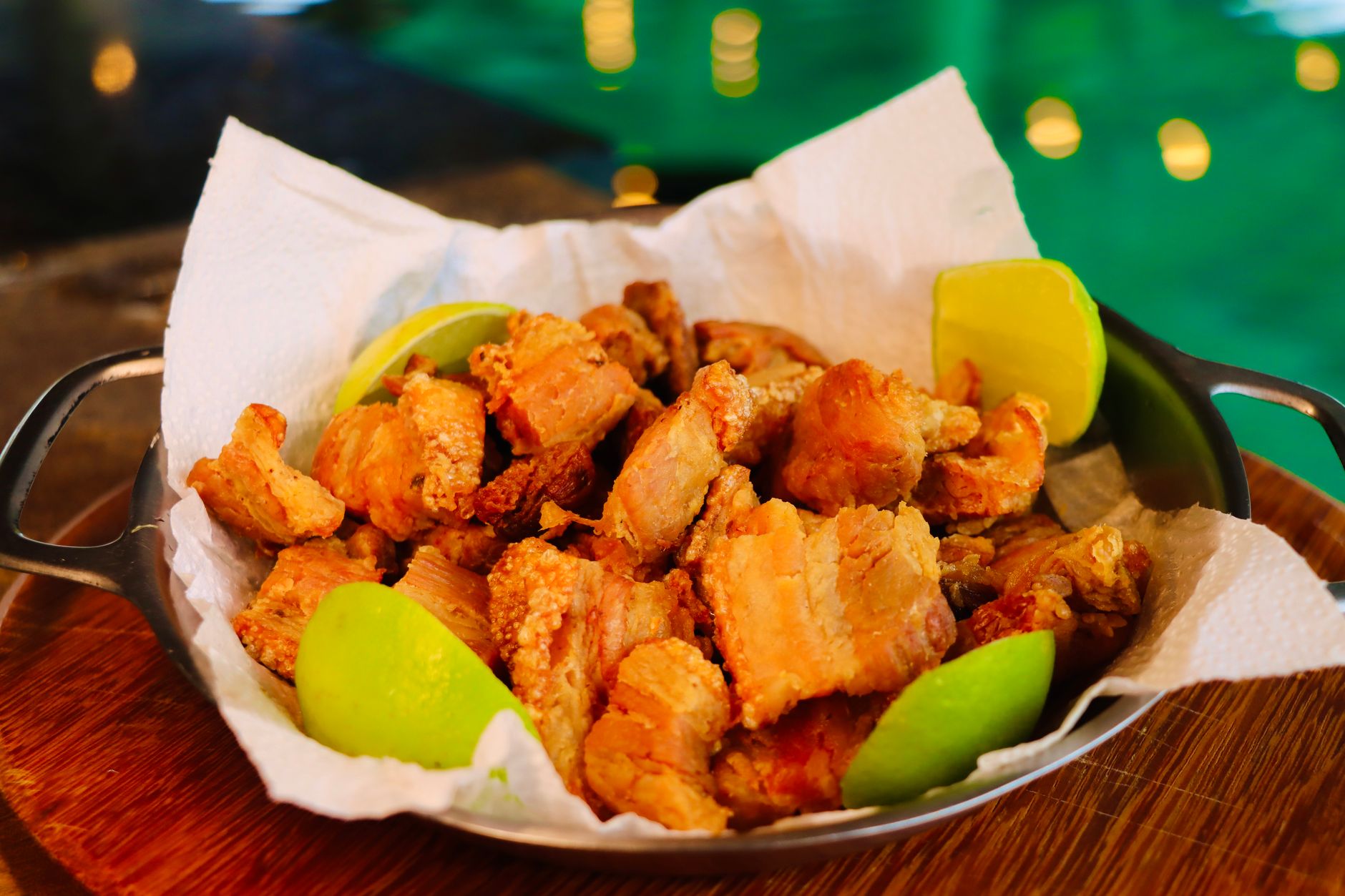
Chicharron meat is a beloved dish originating from various Latin American cuisines, recognized for its indulgent crunch and rich flavor. At its core, chicharron refers to fried pork belly or fried pork rinds that are often enjoyed as snacks, side dishes, or toppings in diverse culinary creations.
This article will explore the taste, texture, and various kitchen uses of chicharron meat, providing you with the information necessary to incorporate this delightful ingredient into your cooking repertoire.
What Is Chicharron Meat?
Chicharron meat is primarily made from pork, typically the skin with a layer of fat and sometimes the meat attached. The preparation involves frying the pork until the skin is crispy and golden brown. The texture is not only crunchy but also has a satisfying chewiness when bites include the meat and fat. Depending on the region, chicharron can also refer to variations made from other meats such as chicken.
The Taste of Chicharron Meat
Chicharron has an unmistakably savory flavor profile. The frying process enhances the natural flavors of the pork, giving it a slightly salty and rich taste. When seasoned appropriately, it can take on an even more complex taste, with spices or marinades adding an extra layer of flavor. The balance of crispiness from the skin and the juiciness from the meat makes each bite a harmonious experience.
The Texture of Chicharron Meat
The defining characteristic of chicharron is its dual texture. The outer skin is extremely crispy, creating a crunch that adds delightful contrast to the tender meat. Depending on how it is cooked, the meat can vary from slightly chewy to very tender. This combination makes chicharron an exciting addition to dishes, providing not just flavor but also engaging mouthfeel.
Kitchen Uses for Chicharron Meat
Chicharron meat is versatile and can be used in various culinary applications. Here are some common ways to incorporate it into your cooking:
1. Snacks and Appetizers
Chicharron is often enjoyed on its own as a snack or appetizer. Serve it with salsas, guacamole, or even fermented sauces to enhance the experience.
2. Toppings
In many Latin cuisines, chicharron is used as a topping for dishes like tacos, enchiladas, or burritos, adding crunch and a rich flavor.
3. Salads and Bowls
Chicharron can also be crumbled on top of salads or rice bowls. It adds texture and an element of savory goodness that complements fresh ingredients.
4. Breakfast Dishes
In some cultures, chicharron is included in breakfast dishes, either as a protein source or mixed with eggs to create flavorful scrambles.
How to Cook Chicharron Meat
Making chicharron at home is relatively straightforward, though it requires attention to detail to achieve the perfect crunch. Below is a basic guide on how to prepare chicharron meat.
Ingredients
- 2 pounds of pork belly (skin on)
- Salt to taste
- Water (for boiling)
- Oil for frying (e.g., lard, vegetable oil)
Essential Equipment
- Heavy-bottomed pot or deep-fryer
- Sharp knife
- Slotted spoon
- Large plate or baking dish
Preparation Steps
- Start by cutting the pork belly into 1- to 2-inch pieces. Make criss-cross cuts in the skin, being careful not to cut too deeply.
- Place the pork belly pieces in a pot and add enough water to cover them. Season the water with salt.
- Bring the water to a boil, then reduce the heat to a simmer. Allow the pork to cook for about 1 to 1.5 hours until tender.
- Once cooked, remove the pork from the water and let it cool. Pat it dry thoroughly with paper towels.
- In a deep-fryer or heavy-bottomed pot, heat oil to 350°F (175°C).
- Carefully add the pork belly pieces, frying until the skin is crispy and golden brown, about 8-10 minutes. Make sure not to overcrowd the pot for even cooking.
- Use a slotted spoon to remove the chicharron and let it drain on a plate lined with paper towels.
- Season again with salt if desired and serve hot.
Common Mistakes When Making Chicharron
While making chicharron meat can be simple, some pitfalls may lead to less-than-ideal results. Here are a few common mistakes to avoid:
- Not boiling long enough: Under-cooking the pork initially can result in a chewy texture after frying. Ensuring it is tender before frying is crucial.
- Insufficient drying: Cooking chicharron with moisture on the surface can lead to less crispness. Ensure the pieces are well-dried before frying.
- Overcrowding the pot: Adding too many pieces may lower the oil temperature, resulting in soggy rather than crispy chicharron. Fry in batches for the best results.
Substitutions and Variations
While pork belly is traditional for chicharron, there are alternatives and variations worth exploring:
1. Chicken Chicharron
Similar in preparation, chicken chicharron uses chicken skin instead of pork. It is generally lighter and offers a different flavor profile but is equally delicious.
2. Beef or Turkey Options
Beef or turkey skin can be used, though they may not yield the same traditional flavor. Cooking times and methods may vary due to the different fat content.
Storage and Reheating Chicharron Meat
If you have leftover chicharron, proper storage is essential to maintain its crispness. Here are some tips:
- Storage: Place leftover chicharron in an airtight container at room temperature for up to two days. Refrigerating may make them soggy due to moisture.
- Reheating: To restore crispness, reheat the chicharron in an oven at 350°F (175°C) for about 5-10 minutes or until heated through and crispy again.
Serving Suggestions for Chicharron Meat
Chicharron pairs beautifully with a wide array of dishes. Here are some delightful accompaniments:
- Fresh salsa: A mild or spicy salsa can contrast the richness of chicharron, providing a refreshing element.
- Guacamole: The creamy texture of guacamole complements the crunchy chicharron, making for a satisfying bite.
- Tortillas: Serve chicharron with warm tortillas to make tacos or enjoy as is with a sprinkle of lime juice.
- Beans: Beans, whether refried or black, add heartiness to meals that include chicharron.
Chicharron Influences in Regional Cuisines
Chicharron is not just a standalone dish; it has found its way into numerous culinary traditions across different regions, often taking on unique aspects of local cuisine.
1. Mexican Cuisine
In Mexico, chicharron is not just a snack. It is often added to tacos, tortas, and even soups, providing depth of flavor and satisfying crunch. It is commonly paired with nopales (cactus) and topped with avocado.
2. Colombian Cuisine
In Colombia, chicharron is a component of typical dishes served with rice, beans, and arepas. It is celebrated for its rich flavor and crispy texture, often enjoyed in hearty meals.
3. Filipino Cuisine
The Philippines also cherishes chicharron, known as “chicharrón” in Filipino culture. Often served with vinegar or spicy dipping sauces, it accompanies many traditional dishes.
Conclusion
Chicharron meat is a flavorful and versatile ingredient that adds texture and rich flavor to a variety of dishes. Understanding its taste, texture, and various uses will help you appreciate this delectable pork preparation. Whether you use it in snacks, toppings, or hearty meals, learning to make chicharron at home can elevate your culinary game.
Ready to experiment with chicharron in your cooking? You can also explore ingredient substitutions, such as rosemary or molasses, to expand your culinary toolkit.