
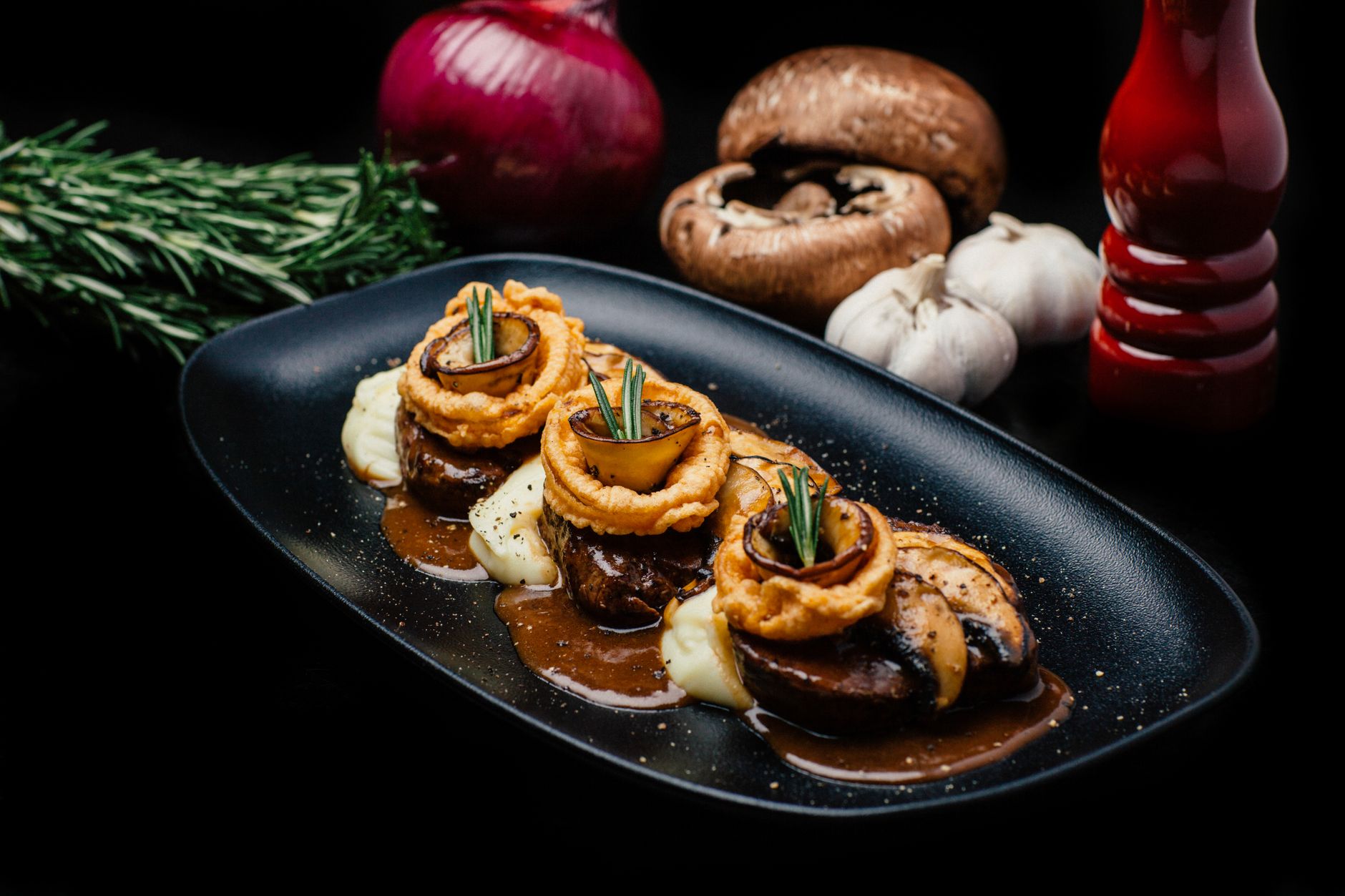
Gravy is a cherished sauce that has the power to elevate any meal. With its rich, comforting flavor and velvety texture, it brings depth to mashed potatoes, roasted meats, and so much more. Making gravy at home is not only easy but allows you to customize it to suit your taste.
In this guide, we will walk you through how to make a classic gravy from start to finish. We’ll cover essential ingredients, step-by-step techniques, and tips for serving, so your gravy is always delicious and smooth.
How Do You Make Gravy?
To make gravy, you need to start with a flavorful base, usually a roux made from fat and flour, combined with a liquid such as broth or drippings. The process requires some technique, but with a few key steps, you can whip up a delicious gravy in no time.
Ingredients for Gravy
The ingredients required to make a basic gravy are simple. Here’s what you need:
- 4 tablespoons of fat (butter, oil, or drippings)
- 4 tablespoons of all-purpose flour
- 2 cups of stock or broth (chicken, beef, or vegetable)
- Salt and pepper to taste
- Optional seasonings (garlic powder, onion powder, herbs)
Essential Equipment
Though making gravy doesn’t require specialized equipment, having a few key tools on hand can make the process smoother:
- Medium saucepan or skillet
- Whisk
- Measuring cups and spoons
- Spoon or spatula for stirring
- Strainer (optional, for a smoother gravy)
The Method: Step-by-Step Gravy Making
Follow these steps for a perfect batch of gravy:
- Heat the fat: In a medium skillet over medium heat, melt the fat of your choice. If using drippings from a roasted meat, pour them into the pan and allow them to heat until they bubble slightly.
- Add flour: Sprinkle in the flour while stirring continuously with a whisk. This mixture, known as a roux, will start to thicken. Cook for about 1 to 2 minutes until the roux is lightly golden brown; this gives the gravy a deep flavor without a raw flour taste.
- Pour in the broth: Gradually add the broth while whisking to prevent any lumps from forming. It’s essential to add the liquid slowly while stirring to ensure a smooth consistency.
- Thicken the gravy: Continue to cook the gravy, stirring frequently for about 5-10 minutes, until it reaches your desired thickness. If it becomes too thick, add additional broth or water to thin it out.
- Season: Taste your gravy and add salt, pepper, and any optional seasonings as desired. Stir well to combine.
- Serve: Once your gravy is thick, flavorful, and to your liking, it’s ready to serve over your favorite dishes.
Tips for Perfect Gravy
Here are some additional tips to ensure your gravy turns out perfectly:
- Whisk constantly: This helps to prevent lumps and ensures a smooth texture.
- Use cold liquid: Adding cold broth to a hot roux can shock the mixture and result in lumps. Instead, let the broth come to room temperature or heat it slightly before adding.
- Adjust thickness: If your gravy isn’t as thick as you’d like, let it simmer for a few more minutes. Conversely, if it’s too thick, simply add more liquid.
- Control the flavor: Experiment with different types of broth or stock based on what you’re serving. For example, use beef stock for a hearty meat dish or chicken stock for lighter meals.
Common Mistakes to Avoid
While making gravy is straightforward, it’s easy to make some common mistakes. Here are a few to watch for:
- Adding too much flour: Excess flour can lead to a pasty gravy. Stick to the recommended amount for best results.
- Not cooking the roux long enough: A raw flour taste can ruin your gravy; ensure you cook it until golden.
- Failing to taste: Seasoning is key. Don’t forget to taste as you go to adjust flavors appropriately.
- Being overly cautious with liquid: If you add too little broth, your gravy can end up too thick. Always ensure a gradual addition and adjust as necessary.
Variations of Gravy
Gravy can be customized in various ways to suit your meal or preferences. Here are a few popular variations:
- White Gravy: Made with milk instead of broth, white gravy is often served with biscuits or fried chicken.
- Mushroom Gravy: Add sautéed mushrooms to your gravy during the simmering stage for an earthy flavor.
- Herb Gravy: Incorporate fresh or dried herbs such as thyme, rosemary, or sage for a fragrant touch.
- Spicy Gravy: Mix in sriracha or your choice of hot sauce for a kick.
Serving Suggestions
Gravy is versatile and can complement many dishes. Here are some serving suggestions:
- Pour over mashed potatoes for a classic pairing.
- Serve atop roasted meats like turkey, chicken, or beef.
- Dip rolls or biscuits in rich gravy for a comforting addition to your meal.
- Use gravy as a sauce for casserole dishes or shepherd’s pie.
Make-Ahead and Storage Tips
If you’re preparing a meal ahead of time, you can make the gravy in advance:
- Refrigeration: Store cooled gravy in an airtight container in the fridge for up to 3 days.
- Freezing: Gravy can be frozen for up to 3 months. Thaw in the refrigerator before reheating.
- Reheating: Reheat on low heat over the stove, stirring frequently. Add a splash of broth or water to reconstitute if it thickens too much during storage.
Conclusion
Making gravy from scratch enhances your meals and adds a personal touch. By following these steps and tips, you can create a sauce that not only complements your dishes but also showcases your culinary skills. Whether you’re celebrating a holiday or simply enjoying a weeknight dinner, knowing how to make gravy is a valuable skill.
For more delicious recipes, consider trying our ham gravy recipe or explore a tasty white gravy recipe to expand your culinary repertoire.