
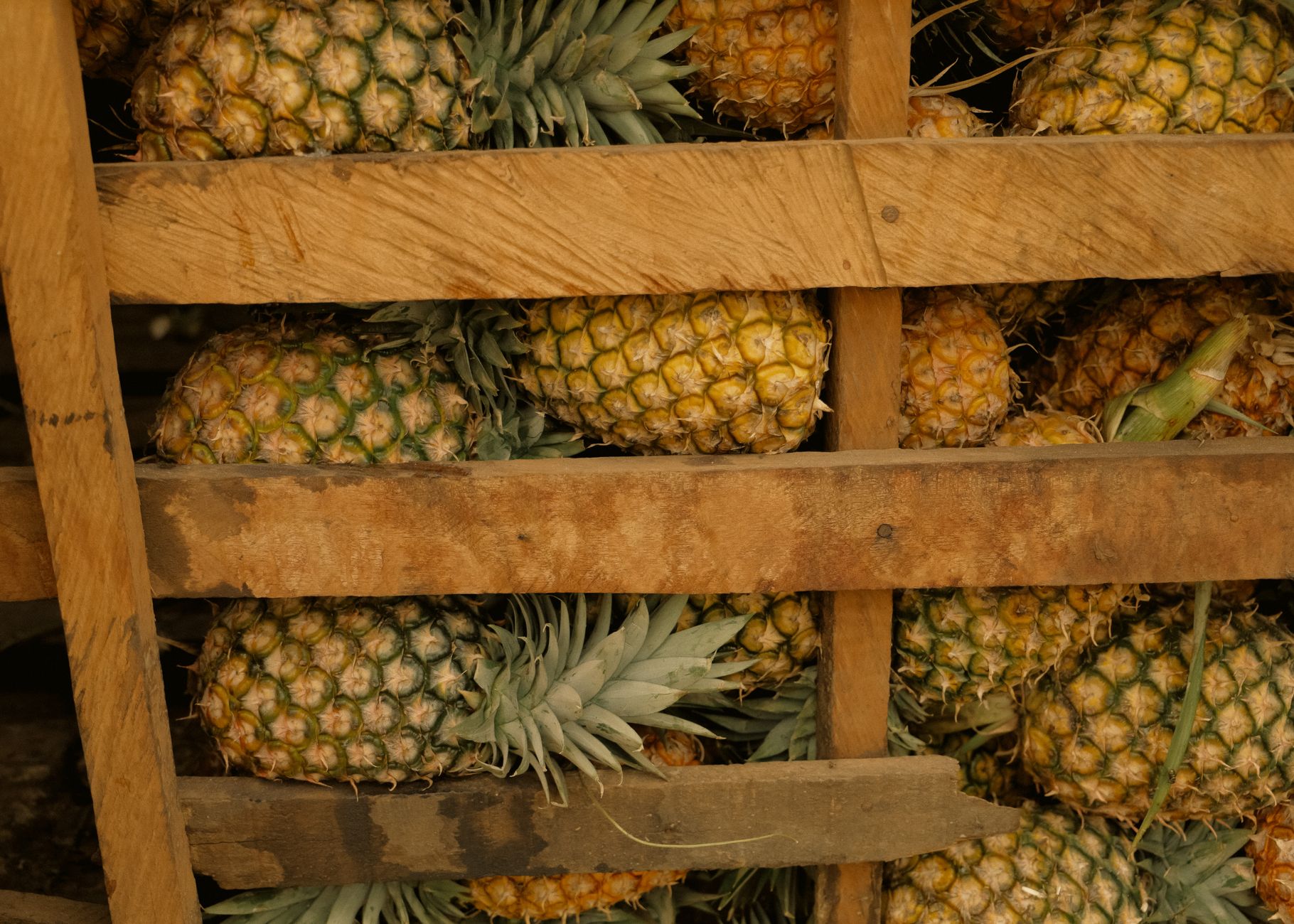
Pineapples are not only delicious but also provide a tropical flair to a variety of dishes. Understanding how to select a ripe pineapple can be challenging due to its tough exterior and unique growth process. This guide will help you identify the signs of ripeness in pineapples to ensure you pick the best one for your culinary needs.
A perfectly ripe pineapple is sweet, juicy, and bursting with flavor. Knowing when to pick one or how to choose the right one in the store can elevate your recipes and enhance your snacking options. Readers will learn practical tips, testing methods, and signs of ripeness that could transform an ordinary meal into a delightful experience.
How Do You Know If A Pineapple Is Ripe?
To determine if a pineapple is ripe, examine its color, smell, and texture. A ripe pineapple will have a vibrant golden-yellow color, emit a sweet aroma when sniffed near the base, and yield slightly to gentle pressure when squeezed. Checking these characteristics will help you choose a pineapple that is ready to enjoy.
Understanding Pineapple Ripeness
Pineapples (Ananas comosus) grow in tropical climates and require specific conditions to ripen properly. Unlike many fruits, pineapples do not continue to ripen after being picked. Therefore, knowing when they are ripe at the point of purchase is crucial.
Ripeness comes down to several key indicators. These include the color of the fruit, its aroma, texture, and even its weight. Each indicator provides valuable information about the fruit’s readiness for consumption.
Color
The color of a pineapple can tell you a lot about its ripeness. Generally, a ripe pineapple will have a vibrant yellow or golden hue at the base. Here are some details about the color indicators:
- Green and yellow: A pineapple that is mostly green is likely not ripe yet. Look for a balance of green and yellow coloring.
- Golden yellow: More golden on the bottom indicates good ripeness. The entire fruit should not be yellow, as some green at the top is normal.
- Brown or dull spots: Avoid those with soft brown patches, which can indicate over-ripeness or spoilage.
Aroma
The scent of a pineapple is another reliable indicator of ripeness. When choosing one, consider the following:
- Sweet aroma: The base of a ripe pineapple should emit a sweet, fruity smell. This fragrance results from the natural sugars developing in the fruit.
- No scent: If it lacks a smell, it might be underripe.
- Fermented scent: A sour or fermented smell indicates that the pineapple is overripe or spoiled, so it’s best to avoid it.
Texture
The texture of the pineapple’s exterior can further guide you in selecting a ripe one. Keep these texture tips in mind:
- Firmness: A ripe pineapple should yield gently to pressure when squeezed. If it feels rock-hard, it is unripe; if it is overly soft, it may be past its prime.
- Leaves: The crown leaves should be vibrant in color. They should also be moderately easy to pull out; if you can yank them out too easily, the fruit may be overripe.
Weight
A ripe pineapple will feel heavy for its size. This is because a ripe fruit contains more juice and sugars. When comparing pineapples, choose the one that feels slightly heavier than others of similar dimensions.
Buying Tips for Pineapples
To make the best choice when buying pineapples, consider the following tips:
- Seasonality: Pineapples are generally at their best from March to July, which is considered peak season. Buying in-season fruit improves your chances of getting a ripe one.
- Local produce: If possible, purchase pineapples that are locally grown or from regions near you. They tend to be fresher and more flavorful.
- Inspect multiple pineapples: Don’t just choose the first pineapple you see. Look for the best quality among several options by assessing color, aroma, and texture.
Storing Your Ripe Pineapple
Once you’ve selected a ripened pineapple, proper storage is essential if you don’t plan to use it immediately. Follow these guidelines:
Room Temperature
If the pineapple is ripe and you plan to eat it shortly, you can keep it at room temperature for a couple of days. Avoid exposing it to direct sunlight or excessive heat.
Refrigeration
If you want to prolong the shelf life of a ripe pineapple, refrigerate it. Cut or whole, place the pineapple in a plastic bag to maintain moisture, and store it in the fridge:
- Whole pineapple: Wrap in plastic to reduce moisture loss, keeping it fresh for up to five days.
- Cut pineapple: Place in an airtight container. Consume within three to four days for the best flavor.
Freezing
A ripe pineapple can be frozen for later use. Here’s how:
- Peel and core the pineapple, cutting it into bite-sized chunks.
- Spread the pieces on a baking sheet and freeze them individually.
- Once frozen, transfer the pieces to a freezer-safe bag or container for storage.
- Use it within six months for optimal taste.
Common Mistakes When Selecting Pineapples
Even seasoned buyers can make mistakes when selecting pineapples. Here are a few common pitfalls to avoid:
- Ignoring the scent: Not smelling the pineapple can lead to missed opportunities in selecting a ripe one.
- Overlooking coloration: Some may tend to base their selection solely on the exterior look without checking for the necessary color balance.
- Assuming all pineapples are similar: Each pineapple can have different ripeness indicators. Different varieties may show varying signs of ripeness.
Using Ripe Pineapple in Recipes
Once you’ve selected a ripe pineapple, you’ll want to enjoy it in various ways. Here are some great recipe ideas:
Pineapple Smoothie
A refreshing way to use ripe pineapple is in a smoothie. Here’s a simple recipe:
Ingredients
- 1 cup fresh pineapple chunks
- 1 banana
- 1 cup coconut water or milk
- 1/2 cup Greek yogurt (optional)
- Ice cubes (optional)
Instructions
- Combine pineapple chunks, banana, coconut water or milk, and Greek yogurt in a blender.
- Add ice cubes for a chilled smoothie.
- Blend until smooth and creamy, adjusting the liquid based on desired consistency.
- Serve immediately, garnished with a pineapple wedge if desired.
Pineapple Stuffing
Ripe pineapple can also be used to add a tropical twist to stuffing for an unforgettable side dish.
Ingredients
- 2 cups cubed bread
- 1 cup fresh pineapple, diced
- 1/4 cup celery, chopped
- 1/4 cup onion, chopped
- 1/2 cup vegetable or chicken broth
- 1 tablespoon olive oil or butter
- Salt and pepper to taste
Instructions
- Preheat the oven to 350°F (175°C).
- Sauté the onion and celery in olive oil or butter until softened.
- In a large bowl, combine the bread cubes, sautéed vegetables, diced pineapple, and broth.
- Season with salt and pepper, stirring until well mixed.
- Transfer to a greased baking dish and bake for 25-30 minutes until golden on top.
Conclusion
Understanding how to assess the ripeness of a pineapple can elevate your culinary creations and ensure that you enjoy this delicious tropical fruit at its best. Always remember to check the color, smell, texture, and weight for the most satisfying experience. With the right pineapple, you can create delightful dishes, smoothies, and snacks at home.
Explore more delicious possibilities with your ripe pineapple by checking out our recipes for pineapple smoothie and pineapple stuffing for some tropical inspiration!