
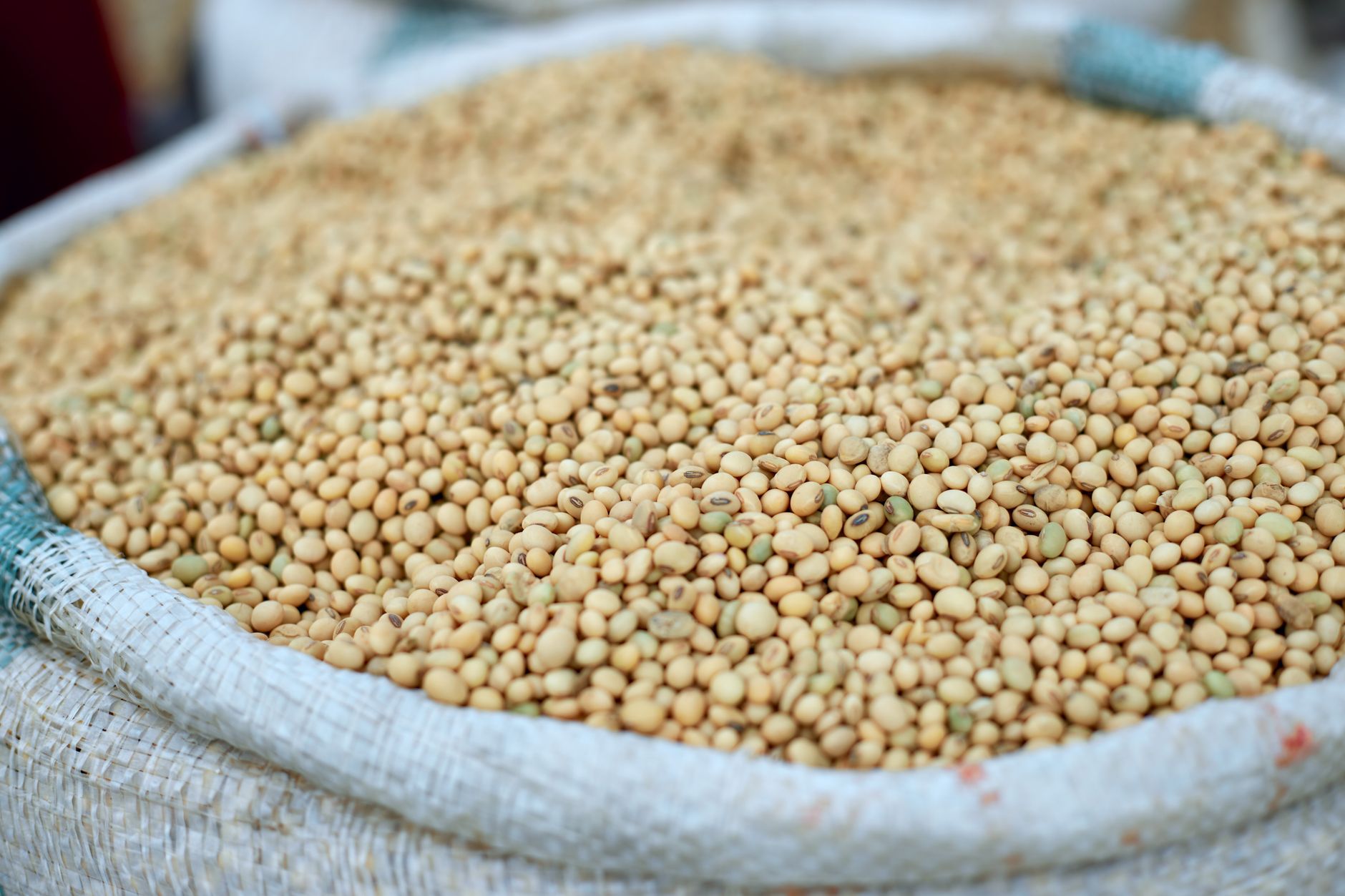
Understanding how vegans obtain protein is essential for anyone interested in plant-based diets, whether out of necessity or curiosity. While the idea may conjure images of deprivation, there are numerous ways to meet protein requirements on a vegan diet.
This article delves into various sources of plant-based proteins, their nutritional facts, serving sizes, and practical tips for incorporating them into meals.
How Do Vegans Get Protein?
Vegans get protein from various plant-based sources, including legumes, grains, nuts, seeds, and certain vegetables. By combining these foods appropriately, they can meet or exceed their daily protein needs without animal products.
Key Plant-Based Protein Sources
Here are some of the most popular sources of protein for vegans, along with their nutritional facts and serving sizes:
Legumes
Legumes consist of beans, lentils, and peas. They are versatile and nutrient-dense, offering a good balance of protein and fiber.
- Chickpeas: About 15 grams of protein per cooked cup (240 ml). Great in salads, hummus, or curries.
- Black Beans: Approximately 15 grams of protein per cooked cup. Excellent in soups, tacos, or salads.
- Lentils: Roughly 18 grams of protein per cooked cup. Perfect for stews, salads, or lentil burgers.
Grains
Grains provide not only carbohydrate energy but also protein. Whole grains are preferable due to their higher fiber content.
- Quinoa: About 8 grams of protein per cooked cup. A complete protein, quinoa is great as a base for salads or bowls.
- Brown Rice: Approximately 5 grams of protein per cooked cup. Pairs well with stir-fries or as a side dish.
- Oats: Roughly 6 grams of protein per cooked cup. Ideal for breakfast as oatmeal or in baked goods.
Nuts and Seeds
Nuts and seeds are concentrated sources of protein and healthy fats. They can enhance the flavor and texture of various dishes.
- Almonds: About 6 grams of protein per ounce (28 grams). Great as a snack or in granola.
- Chia Seeds: Approximately 5 grams of protein per ounce. Excellent in smoothies, puddings, or as an egg substitute in baking.
- Pumpkin Seeds: Roughly 9 grams of protein per ounce. Delicious in salads or as a snack on their own.
Tofu and Tempeh
These soy products are staples in many vegan diets, offering significant protein content and versatility in cooking.
- Tofu: Approximately 20 grams of protein per 100-gram serving. Can be scramble, stir-fried, or grilled.
- Tempeh: About 31 grams of protein per 100-gram serving. Ideal in sandwiches, salads, or sautéed dishes.
Vegetables
While most vegetables contain some protein, they typically do not offer as much as legumes and grains. However, certain varieties are notably higher in protein.
- Edamame: Contains roughly 17 grams of protein per cup (cooked). A great snack or topping for salads.
- Spinach: Boasts about 5 grams of protein per cooked cup. Perfect in smoothies, omelets (vegan versions), or salads.
- Broccoli: Offers approximately 4 grams of protein per cooked cup. Delicious in stir-fries or as a side dish.
How Much Protein Do Vegans Need?
The recommended dietary allowance (RDA) for protein varies by age, gender, and activity level. Generally, adults should aim for 46-56 grams of protein per day. Vegans may need to consider their intake more closely to ensure they’re getting enough, especially athletes or those with specific dietary requirements.
For example, a vegan athlete may require more protein due to their increased activity level. As a general rule, it’s best to incorporate protein sources throughout the day for optimal intake.
Combining Plant Proteins
While many plant-based proteins may not be “complete” proteins (containing all essential amino acids), combining them can create a complete profile. Here are some effective combinations:
- Rice and Beans: Together, they provide all essential amino acids.
- Peanut Butter on Whole Grain Bread: Combines incomplete proteins for a boost.
- Quinoa and Nuts: This combo results in a complete protein source.
Cooking Techniques for Maximizing Protein Intake
Different cooking methods affect the protein content and digestibility of foods. Here are a few important techniques to consider:
Minimal Cooking
Overcooking can reduce nutritional value. Methods such as steaming or sautéing vegetables quickly can help preserve protein levels.
Fermentation
Fermenting foods like tempeh or using cultured products can enhance protein absorption and provide probiotics, which are beneficial for gut health.
Soaking Grains and Legumes
Soaking grains and legumes before cooking helps to reduce cooking time and phytic acid, enhancing nutrient absorption.
Practical Tips for Incorporating Protein into Your Vegan Diet
Adopting a well-rounded vegan diet with sufficient protein doesn’t have to be daunting. Here are some practical tips:
- Plan Your Meals: Create weekly meal plans that include a variety of protein sources.
- Use Protein-Rich Snacks: Opt for snacks like protein bars or nut mixes to keep your energy levels steady.
- Experiment with Recipes: Try new recipes and cooking techniques to discover enjoyable protein-rich dishes.
- Stay Informed: Be aware of the protein content in non-traditional sources, like vegan protein powders.
Common Mistakes and Troubleshooting
Here are a few common mistakes that could hinder protein intake in a vegan diet, along with troubleshooting tips:
- Focusing Too Much on One Source: Relying solely on one type of protein can lead to deficiencies. Diversify your sources.
- Neglecting Nutrient Pairing: Not pairing proteins with complementary foods can miss out on essential amino acids. Aim to mix and match protein sources.
- Ignoring Portion Sizes: Underestimating portion sizes can result in inadequate protein intake. Weighing and measuring may help ensure adequacy.
Meal Planning for Vegan Protein
Planning meals and snacks with an eye on protein can make a substantial difference in achieving dietary goals. Here is an example of a simple meal plan for a day:
Breakfast
- Overnight oats made with almond milk, chia seeds, and topped with berries and nuts (approximately 14 grams of protein).
Lunch
- Quinoa salad with black beans, corn, avocado, and a lemon-tahini dressing (about 21 grams of protein).
Dinner
- Stir-fried tofu with broccoli, bell peppers, and brown rice (approximately 30 grams of protein).
Snacks
- Hummus with carrot sticks or whole-grain crackers (about 5 grams).
- Mixed nuts or a protein bar (depending on choice, around 6-10 grams).
Storage and Meal Prep
When meal prepping, consider the shelf life of your prepared meals to maximize freshness and safety:
- Cooked grains and legumes can be stored in the refrigerator for up to a week.
- Tofu should be used within a week of opening its package; properly sealed, it may last longer.
- Nuts can be stored for extended periods, but keeping them in a cool, dark place prolongs freshness.
Conclusion
Vegans can easily obtain enough protein through a thoughtful combination of plant-based foods. By embracing a variety of sources like legumes, grains, nuts, and vegetables, it’s possible to meet daily protein needs while enjoying diverse and flavorful meals. Planning, experimenting with different recipes, and ensuring balanced meals will make a significant difference in your protein intake. Incorporate these insights into your daily routine to support a healthy, balanced vegan diet!
For more delicious ideas, check out our recipes for protein brownies and protein cookies.