
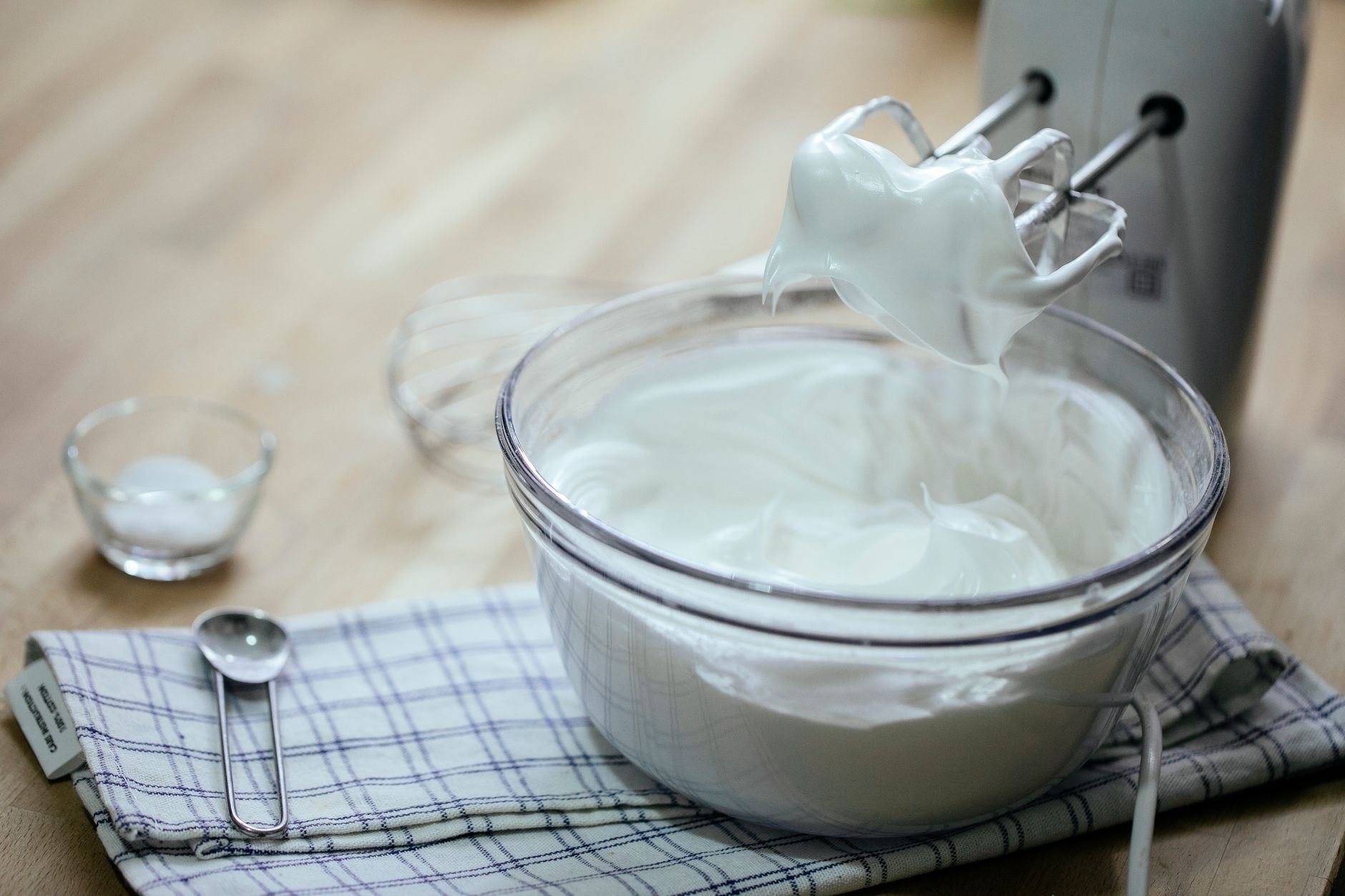
Whipped cream is a versatile and delightful ingredient that can elevate a variety of desserts, beverages, and breakfast dishes. It is light, airy, and has a subtle sweetness that complements flavors well. Making your own whipped cream allows you to control the sweetness and flavor, ensuring it matches your culinary creations perfectly.
This guide will walk you through the process of making whipped cream, including the necessary ingredients, equipment, recipe tips, and common pitfalls to avoid. We aim to provide all the insights you need to whip up this fluffy delight efficiently.
How Do I Make Whipped Cream?
To make whipped cream, you need just a few simple ingredients and equipment. The main components are heavy cream, sugar, and vanilla extract. With a few minutes of whisking, you can achieve a creamy, fluffy texture that can be used for topping or filling.
Ingredients Needed for Whipped Cream
- Heavy cream: 1 cup (240 ml) – The base for your whipped cream, heavy cream contains a high fat content that allows it to whip up beautifully.
- Sugar: 2 tablespoons (25 grams) – Granulated sugar is commonly used, but powdered sugar can also be used for a smoother texture.
- Vanilla extract: 1 teaspoon (5 ml) – Adds a lovely flavor, but can be substituted with other extracts or omitted entirely based on preference.
- Optional: A pinch of salt – Enhances the flavors in the whipped cream.
Essential Equipment
- Mixing bowl: A large bowl to hold the cream while whisking.
- Whisk or electric mixer: A balloon whisk for manual mixing or a hand-held or stand mixer for quicker results.
- Spatula: To scrape down the sides and incorporate any remaining cream.
- Measuring cups and spoons: For accurate ingredient measurement.
Step-by-Step Instructions for Making Whipped Cream
- Chill your equipment: For the best results, chill your mixing bowl and whisk or mixer attachments in the refrigerator for about 15-20 minutes before beginning. Cold equipment helps the cream whip up faster.
- Add ingredients: Pour 1 cup of heavy cream into the chilled mixing bowl. Add 2 tablespoons of sugar and 1 teaspoon of vanilla extract (and a pinch of salt if using).
- Start mixing: Use a whisk or electric mixer at medium speed to begin mixing the cream. If using a whisk, start gently to avoid splattering, gradually increasing the speed.
- Monitor the whipping process: Continue to whisk until soft peaks form. This means that when you lift the whisk, the cream should hold its shape while still being smooth and luscious, rather than stiff or dry.
- Check for stiffness: If you prefer a firmer whipped cream, continue whisking until stiff peaks form. Stiff peaks mean the cream stands straight up when you lift the whisk, making it suitable for piping or holding its structure for toppings.
- Stop mixing: Be cautious not to overwhip, as this can lead to a grainy texture, or worse, butter. Stop just when it reaches the desired consistency.
- Store or use promptly: Use the whipped cream immediately on your dessert, beverage, or dish or store it in an airtight container in the refrigerator for up to 24 hours.
Tips for Making Whipped Cream
- For flavored whipped cream: Feel free to incorporate different extracts, like almond or mint, or even cocoa powder for chocolate whipped cream.
- Avoid deflation: When folding whipped cream into heavier mixtures (like mousses), use a gentle folding motion to maintain the cream’s airiness.
- Stability boost: If you need your whipped cream to hold up longer (for frosting cakes or pastries), consider adding a stabilizer such as gelatin or instant pudding mix. For gelatin, dissolve 1 teaspoon in 1 tablespoon of warm water and let cool slightly before adding it to the cream in step 2.
- Use fresh cream: Ensure your heavy cream is within its expiration date for the best flavor and texture.
Common Mistakes to Avoid
- Overwhipping: Keep an eye on the cream to avoid overwhipping, which can turn it into butter or make it grainy. Once you see soft peaks, check frequently.
- Warm ingredients: Using room temperature cream can yield subpar results. Make sure your heavy cream is cold.
- Too much sugar: Adding too much sugar can weigh down the whipped cream. Start with less and adjust if needed.
Variations of Whipped Cream
- Chocolate whipped cream: Add 2 tablespoons of unsweetened cocoa powder or melted chocolate in step 2. Adjust sugar accordingly for taste.
- Flavored whipped cream: Experiment with flavored extracts such as peppermint, maple, or citrus. Add them in step 2.
- Coconut whipped cream: Use chilled coconut cream (from a can) as a dairy-free alternative. Whip it the same way as heavy cream.
How to Store Whipped Cream
Whipped cream is best enjoyed fresh, but if you have leftovers, you can store them in the refrigerator in an airtight container for up to 24 hours. It may lose some texture but can be re-whipped gently if needed. Avoid freezing whipped cream, as it can separate upon thawing.
Serving Suggestions for Whipped Cream
- On desserts: Top cakes, brownies, or pies to enhance flavors and presentation.
- In beverages: Use it as a topping for hot cocoa, coffee, or milkshakes for a delightful finish.
- As a dip: Serve whipped cream alongside fresh fruit or cookies for a light and sweet accompaniment.
Conclusion
Making whipped cream at home is a simple yet rewarding endeavor that can bring a touch of elegance to your culinary creations. With just a few ingredients and a bit of technique, you can whip up a delicious topping or filling that enhances a multitude of dishes. Whether you’re striving for a classic whipped cream or a flavored variation, understanding the fundamentals will help you achieve the best results.
If you’re looking to explore more recipes or cooking tips, check out our whipped ricotta recipe or our cinnamon roll recipe with heavy cream for delicious ideas to complement your whipped cream creations.