
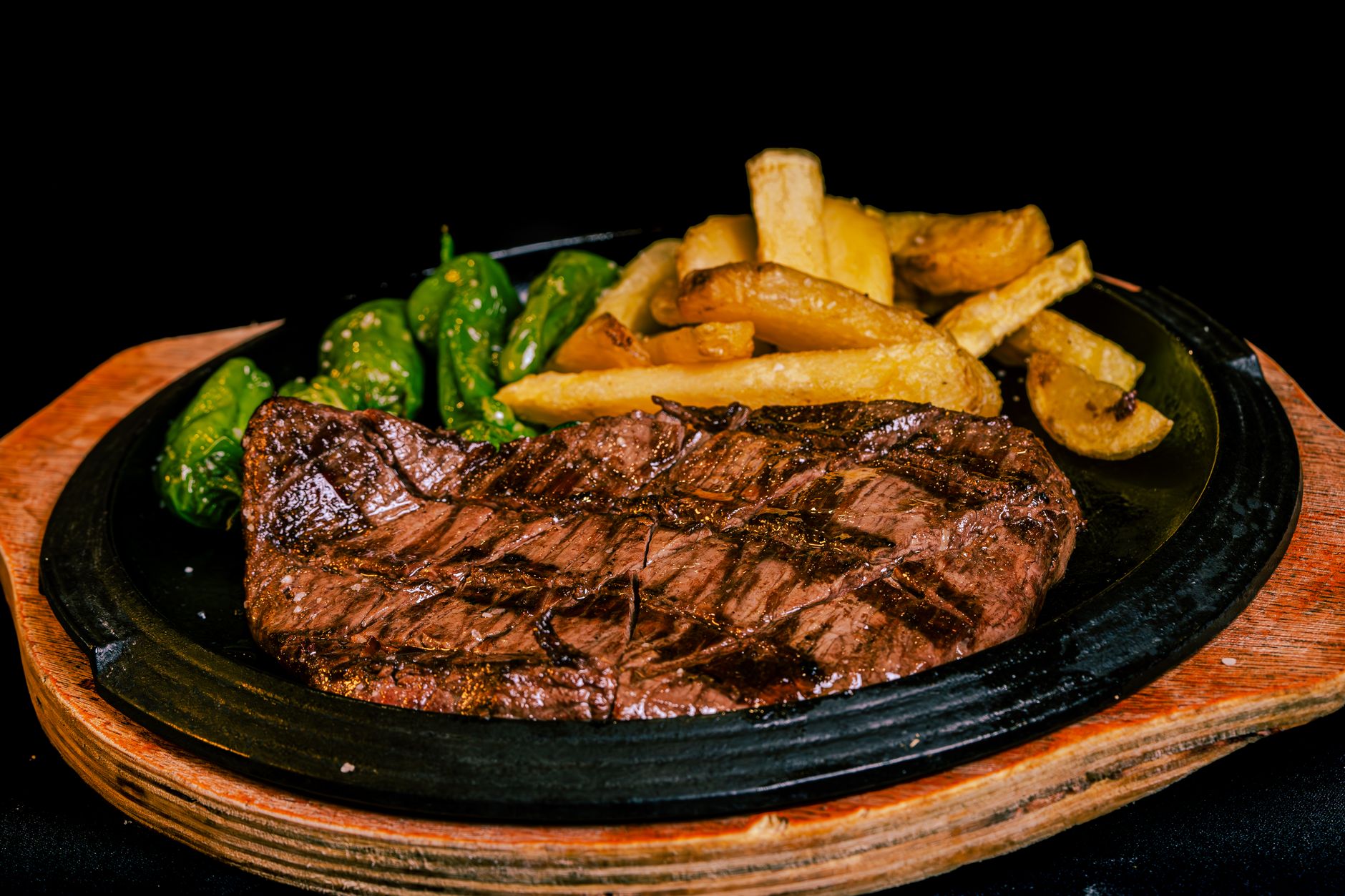
Rump steak is a popular cut of beef that is both flavorful and versatile, making it a favored choice among home cooks and professional chefs alike. Sourced from the hindquarters of the cow, this cut combines a rich, beefy taste with a satisfying texture. Understanding what rump steak is, its culinary uses, and how to prepare it can elevate your cooking experience.
In this article, we will explore the characteristics of rump steak, how to cook it, various recipes to try, and tips for selecting and storing it. Whether you prefer it grilled, roasted, or pan-seared, you’ll find everything you need to master this delicious cut of meat.
What Is a Rump Steak?
Rump steak is a cut of beef that comes from the lower back of the cow, specifically from the area referred to as the “rump.” This section has a well-developed muscle, which contributes to the steak’s flavor and texture. Rump steak is typically leaner than other cuts, like ribeye or sirloin, but still offers a good amount of marbling for taste.
Taste and Texture of Rump Steak
The flavor of rump steak is robust and beefy, thanks to its muscle structure and fat distribution. It is often characterized by:
- Flavor: Rich, meaty taste that can be enhanced with marinades or seasoning.
- Texture: Firm yet tender when cooked properly, often described as juicy and satisfying.
- Fat Content: Moderate marbling, providing flavor without excessive grease.
Culinary Uses of Rump Steak
Rump steak is incredibly versatile and can be used in a variety of dishes. Here are some common culinary applications:
- Grilling: Rump steak can be grilled to perfection, developing a charred exterior while keeping the inside juicy.
- Stir-frying: Thinly sliced rump steak works well in stir-fry recipes, absorbing flavors from sauces and vegetables.
- Roasting: Rump steaks can be roasted in the oven, yielding a tender and flavorful main course.
- Stews and Braises: Due to its texture, rump steak is excellent for slow-cooked dishes that require flavorful, tender meat.
- Steak Sandwiches: When sliced thinly, it makes a great filling for steak sandwiches.
How to Choose the Best Rump Steak
When selecting rump steak, consider the following tips to ensure you choose a quality cut:
- Color: Look for a bright red color with good marbling. This indicates freshness and flavor.
- Texture: The meat should be firm, not mushy or discolored.
- Fat Distribution: A moderate amount of visible fat will enhance flavor and juiciness.
- Packaging Date: Always check the packaging date to ensure it’s fresh.
How to Prepare Rump Steak
Preparation is essential for obtaining a delicious and tender rump steak. Here’s a step-by-step guide to preparing it:
- Thaw (if needed): If your steak is frozen, thaw it in the refrigerator for 24 hours for best results.
- Bring to Room Temperature: Allow the steak to sit out for 30 to 60 minutes before cooking for even cooking.
- Seasoning: Generously season with salt and pepper. You can also marinate the steak to infuse flavors.
- Preheat Cooking Surface: Ensure your grill, pan, or oven is preheated before adding the steak.
Cooking Rump Steak: Techniques and Tips
There are various methods for cooking rump steak, and each has its advantages. Here are some commonly used techniques:
Grilling Rump Steak
- Preheat the grill to high heat.
- Pat the steak dry with paper towels and season it.
- Place the steak on the grill for 4-6 minutes per side, depending on desired doneness.
- Use a meat thermometer; aim for 130°F (54°C) for medium-rare.
- Let the steak rest for 5-10 minutes before slicing to retain juices.
Pan-Seared Rump Steak
- Heat a skillet over medium-high heat with a tablespoon of oil.
- Add the seasoned steak and sear for 4-6 minutes on each side.
- Reduce heat to medium and continue cooking to desired doneness.
- Let the steak rest before serving.
Oven-Roasting Rump Steak
- Preheat the oven to 375°F (190°C).
- Follow the steps to season and sear the steak in a skillet.
- Transfer the skillet to the oven and roast for 10-15 minutes, depending on thickness and desired doneness.
- Allow to rest before slicing.
Common Mistakes When Cooking Rump Steak
Even experienced cooks can make mistakes with rump steak. Here are some pitfalls to avoid:
- Overcooking: Rump steak can become tough if overcooked; use a thermometer for accuracy.
- No Resting: Cutting too soon after cooking can lead to lost juices; always allow for resting time.
- Skipping Seasoning: Skipping or under-seasoning can result in bland meat; be generous with salt and pepper.
Recipes Featuring Rump Steak
Now that you understand how to select and cook rump steak, here are a couple of delicious recipes to try:
Simple Grilled Rump Steak
This grilled rump steak recipe is straightforward and highlights the meat’s natural flavor. Yield: 2 servings. Preparation time: 10 minutes. Cooking time: 12 minutes. Total time: 22 minutes.
Ingredients:
- 2 rump steaks (approximately 8-10 oz each)
- 2 tablespoons olive oil
- Salt, to taste
- Pepper, to taste
- Herbs (such as rosemary or thyme), optional
Cooking Method:
- Preheat the grill to high heat.
- Brush the steaks with olive oil and season with salt, pepper, and herbs.
- Grill the steaks for 4-6 minutes on each side for medium-rare.
- Allow to rest before slicing.
- Serve with your choice of sides, such as grilled vegetables or a fresh salad.
Rump Steak Stir-Fry
This flavorful stir-fry is quick to prepare and makes for a satisfying meal. Yield: 4 servings. Preparation time: 15 minutes. Cooking time: 10 minutes. Total time: 25 minutes.
Ingredients:
- 1 lb rump steak, thinly sliced
- 2 tablespoons vegetable oil
- 1 cup bell peppers, sliced
- 1 cup broccoli florets
- 2 cloves garlic, minced
- 1 tablespoon ginger, minced
- 1/4 cup soy sauce
- 1 tablespoon cornstarch (optional, for thickening)
Cooking Method:
- Heat 1 tablespoon of oil in a large skillet or wok over high heat.
- Add the sliced rump steak and stir-fry for 3-4 minutes until browned.
- Remove the steak and add remaining oil, bell peppers, broccoli, garlic, and ginger.
- Stir-fry for another 3-4 minutes until vegetables are tender-crisp.
- Add the steak back to the skillet along with soy sauce. Mix well.
- If desired, mix cornstarch with a small amount of water and add it to thicken the sauce.
- Serve over rice or noodles.
How to Store Leftover Rump Steak
Proper storage of leftover cooked rump steak is critical for maintaining quality and safety:
- Cool Down: Allow the steak to cool at room temperature for no longer than 2 hours before refrigerating.
- Store in Airtight Containers: Place the leftover steak in airtight containers or wrap tightly in plastic wrap or foil.
- Refrigerate: Store in the refrigerator for up to 3-4 days.
- Freezing: For longer storage, wrap tightly and freeze for up to 3 months.
Reheating Leftover Rump Steak
Reheating leftover rump steak should be done carefully to maintain tenderness:
- In the Oven: Preheat the oven to 250°F (120°C), wrap the steak in foil, and heat for about 30-45 minutes.
- In the Microwave: Heat on low power in short intervals (30 seconds) to avoid overcooking.
- In a Pan: Sear on medium heat for a few minutes on each side, adding a splash of broth or water to keep moisture.
Rump Steak Variations and Alternatives
If you can’t find rump steak or want to try something similar, consider these alternatives:
- Sirloin Steak: A lean cut from the back that offers flavor and tenderness.
- Flank Steak: Leaner and great for marinating, perfect for stir-fries.
- Flat Iron Steak: Tender and flavorful, it can be used in any recipe calling for rump steak.
Conclusion
Rump steak is a versatile and delicious cut of beef that deserves a spot in your culinary repertoire. By understanding its flavor profile, cooking methods, and storage techniques, you can create a variety of dishes that highlight its robust taste. Whether grilled, pan-seared, or stir-fried, remember the key points for preparation and cooking to make the most out of this cut of meat.
For related recipes, cooking tips, or food guides, explore our flat iron steak recipe or check out our baked steak recipe.