
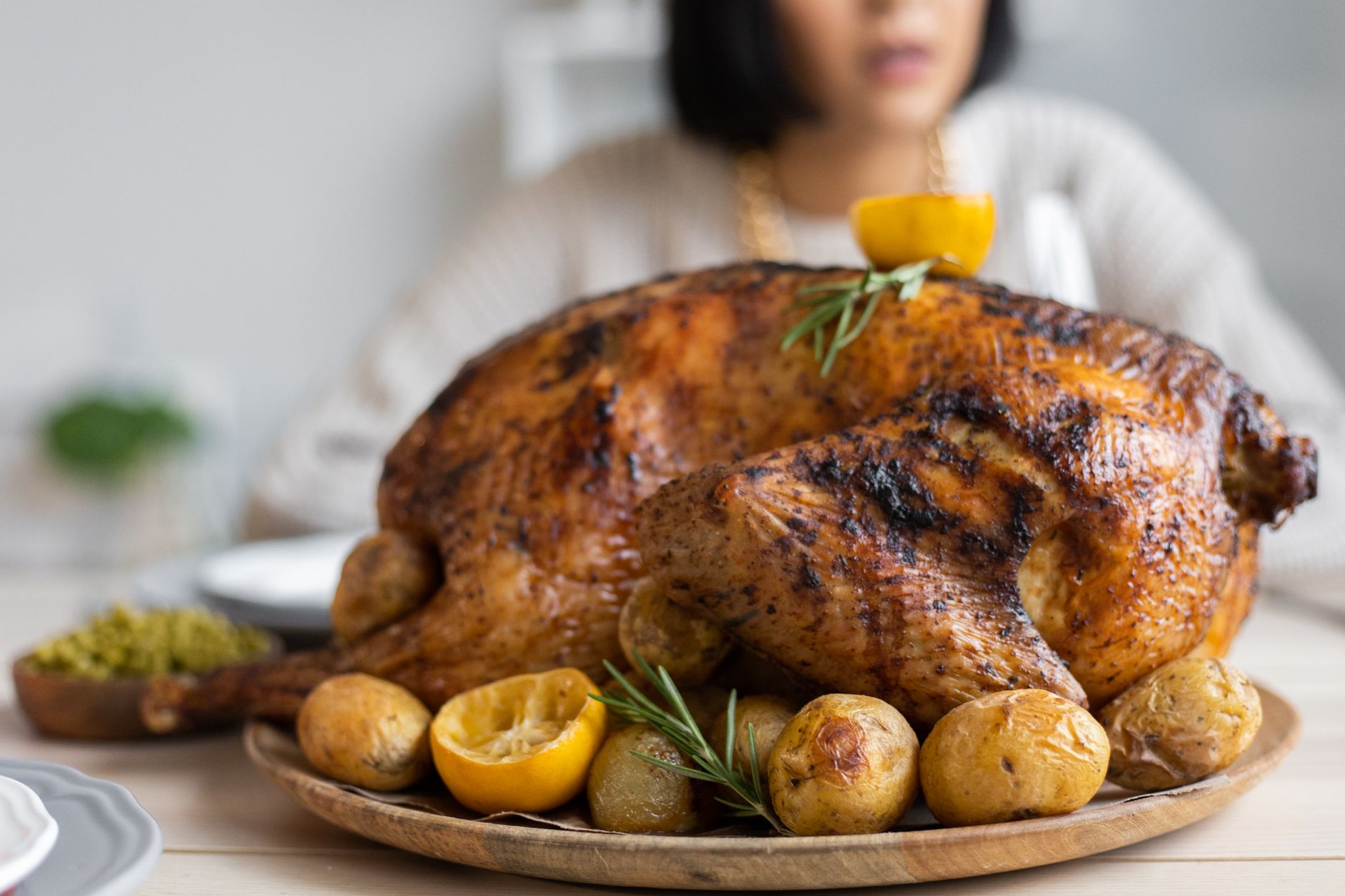
When planning a gathering for 14 people, estimating the right size turkey can be a daunting task. You want to ensure that everyone leaves satisfied without excessive leftovers. The size of the turkey you need is influenced by various factors, including the number of guests, their appetites, and whether you’ll be serving other dishes.
In this guide, we’ll delve into determining the ideal turkey size, tips for cooking, and how to ensure a delicious experience for everyone involved. Let’s explore how big a turkey you should buy for 14 people.
How Big a Turkey for 14 People?
For 14 people, a turkey weighing between 14 and 18 pounds is recommended. This general rule allows for about 1 to 1.5 pounds of turkey per person, taking into account that weight will vary depending on factors like bone content and whether your guests are light or heavy eaters. Consider the size of the bird and its cooking method when planning your feast.
Understanding Turkey Portions
The calculation for the amount of turkey per person can vary depending on different factors:
- Appetite: Some guests eat more than others, particularly around the holidays.
- Meal Components: The serving size may differ based on the number and types of side dishes served alongside the turkey.
- Leftovers: If you and your guests enjoy leftovers, you might want to err on the side of a larger turkey.
Standard Serving Sizes
A good baseline is to plan for about 1 to 1.5 pounds of turkey per person. Here’s a quick breakdown:
- Light Eaters: 1 pound per person
- Moderate Eaters: 1.25 pounds per person
- Hearty Eaters: 1.5 pounds per person
For 14 guests, this means:
- Light Eaters: 14 pounds
- Moderate Eaters: 17.5 pounds
- Hearty Eaters: 21 pounds
Choosing the Right Turkey Size
When choosing your turkey, there are a few additional elements to consider beyond the number of guests. These include:
- Turkey Type: Different breeds vary in size. Most common types are broad-breasted white turkeys, which are typically plump.
- Cooking Method: Smoking or roasting can influence the perception of portion sizes. If you are serving a range of dishes, a somewhat smaller turkey may suffice.
- Bone-in vs. Boneless: Bone-in turkeys typically provide more meat. A boneless turkey may have more meat per pound, but a bone adds flavor and moisture.
Estimating the Turkey Size Based on Serving Size
| Appetite Level | Turkey Weight per Person | Total Turkey Weight for 14 People |
|---|---|---|
| Light Eaters | 1 pound | 14 pounds |
| Moderate Eaters | 1.25 pounds | 17.5 pounds |
| Hearty Eaters | 1.5 pounds | 21 pounds |
Cooking Time Guidelines for Turkey
Cooking times can vary depending on the size of the turkey and cooking method. When roasting a turkey, ensure you have a reliable meat thermometer to check the internal temperature to ensure food safety. Here are general cooking time guidelines for a whole turkey at 325°F (165°C):
- 14 pounds: 3 to 4 hours
- 16 pounds: 4 to 4.5 hours
- 18 pounds: 4.5 to 5 hours
Always use a meat thermometer to confirm that the turkey has reached an internal temperature of 165°F (74°C) in the thickest part of the bird.
Factors Affecting Cooking Time
- Stuffed vs. Unstuffed: Stuffed turkeys often take 30 to 45 minutes longer to cook.
- Oven Temperature: Higher temperatures decrease cooking time but may affect moisture levels.
- Resting Time: A turkey should rest for at least 20-30 minutes after cooking. This allows juices to redistribute.
Preparation Tips for Cooking the Turkey
Proper preparation ensures a juicy and flavorful turkey. Here are essential tips to follow:
- Brining: Consider brining the turkey for a few hours or overnight. This adds moisture and flavor.
- Seasoning: Use a mix of fresh herbs, garlic, and butter to rub under the skin and on the turkey’s surface for flavor.
- Trussing: Tie the legs and tuck the wings to help ensure even cooking and a beautiful presentation.
Brining a Turkey
Brining involves soaking the turkey in a salted water solution, resulting in moist meat and enhanced flavor. To brine a turkey:
- Prepare a brine solution with 1 cup of salt, 1/2 cup of sugar, and water—enough to fully submerge the turkey.
- Let the turkey sit in the brine solution for 12 to 24 hours in the refrigerator.
- Rinse the turkey with cold water before cooking to remove excess salt.
Cooking Methods for Turkey
There are various methods to cook turkey, each producing unique flavors and textures:
Roasting
This is the most traditional method and yields a beautifully browned turkey. To roast:
- Preheat your oven to 325°F (165°C).
- Place the turkey on a rack in a roasting pan.
- Season and stuff the turkey, if desired.
- Roast according to the turkey weight guidelines.
Deep-Frying
Deep frying creates a crispy exterior and moist interior flavor. If using this method, be cautious of safety:
- Heat oil to 350°F (175°C).
- Lower the turkey into the oil slowly to avoid splatter.
- Cook for roughly 3 to 4 minutes per pound.
Smoking
Smoking your turkey adds a rich flavor. Cooking times will vary based on the size and smoker:
- Preheat the smoker to 225°F (107°C).
- Place the turkey in the smoker, skin-side up, and add your choice of wood chips for flavor.
- Smoke until the internal temperature reaches 165°F (74°C).
Common Mistakes When Cooking Turkey
Even experienced cooks can make missteps while preparing turkey. This section outlines common pitfalls to avoid:
- Not using a thermometer: Relying solely on cooking time can lead to undercooked or overcooked meat. Always check internal temperatures.
- Skipping resting time: Cutting into the turkey immediately can cause juices to run out, resulting in dry meat.
- Insufficient brining: If you choose to brine, follow the recommended time for the best results.
Serving Suggestions for Turkey
How you serve the turkey can greatly impact your meal experience. Here are a few ideas:
- Accompaniments: Pair with classic sides like stuffing, mashed potatoes, and cranberry sauce.
- Presentation: Carve the turkey tableside for an engaging element. Consider garnishing with fresh herbs or citrus slices.
- Leftover Ideas: Encourage guests to take leftovers home. Use any remaining turkey in sandwiches, soups, or casseroles.
Storage and Reheating Recommendations
Should you have leftovers, it’s crucial to store and reheat the turkey properly:
- Refrigeration: Store leftover turkey in airtight containers in the refrigerator for up to four days.
- Freezing: For longer storage, wrap portions tightly in plastic wrap and freeze for up to six months.
- Reheating: To reheat, place the turkey in a 325°F (165°C) oven until warmed through; adding a splash of broth keeps it moist.
Are There Variations for Turkey Sizes by Age Group?
It’s important to note that younger guests, such as children, may eat less, while adults and teenagers may eat more. It’s worth considering having a slightly larger bird if you know there will be heavier eaters attending.
Special Considerations for Dietary Restrictions
Be mindful of dietary restrictions among your guests. Ensuring a turkey is gluten-free or suitable for those on a low-carb diet is generally straightforward, but be cautious with side dishes, sauces, or preparations. Always ask your guests about their restrictions in advance.
Conclusion
Getting the right size turkey for 14 people requires some thoughtful planning. Aim for a turkey between 14 and 18 pounds, consider appetites and side dishes, and review cooking methods and timings for the best results. Whether roasting, smoking, or frying your turkey, careful preparation will yield a beautiful, delicious centerpiece for your gathering.
Explore related recipes and cooking tips with our guides on how long to cook turkey per pound and a flavorful turkey brine recipe for smoking to ensure a delicious meal.