
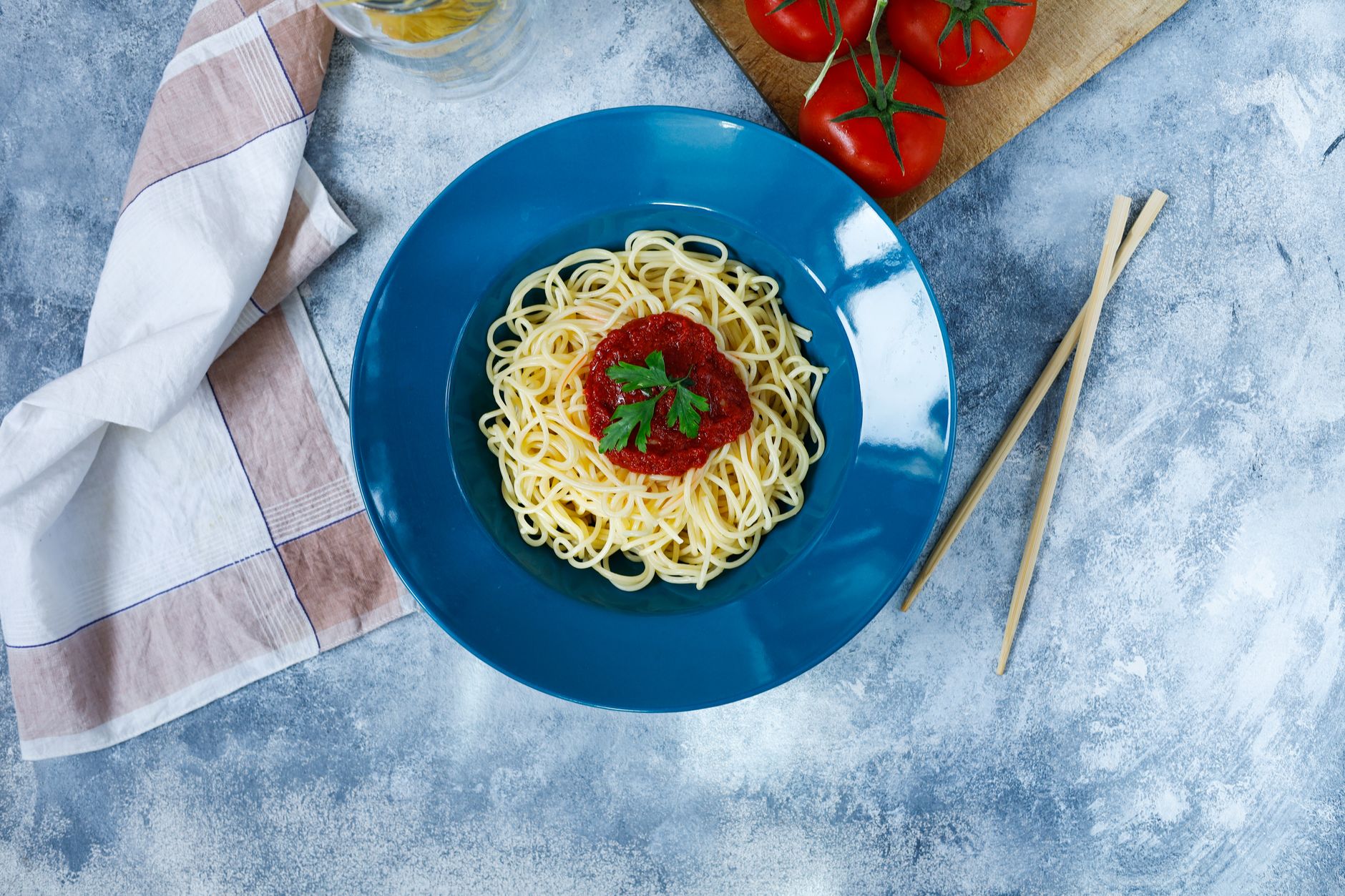
Making homemade spaghetti sauce to can is not just a practical way to preserve food but also an enjoyable culinary journey. Whether you’re looking to stock your pantry for the colder months or create thoughtful gifts for friends, this easy-to-follow guide will provide everything you need to know.
From flavor profiles to canning techniques, we’ll cover the essentials in preparation, canning, and storage. By the end, you’ll have a delicious and versatile spaghetti sauce ready for your next meal and a great sense of accomplishment.
What is Homemade Spaghetti Sauce to Can?
Homemade spaghetti sauce to can is a tomato-based sauce prepared with a blend of vegetables and seasonings, designed for long-term storage in jars. This method allows you to enjoy the fresh, vibrant flavors of tomatoes year-round while avoiding store-bought preservatives. It’s perfect for busy weeknights or when you want a quick meal option.
Why Can Homemade Spaghetti Sauce?
Canning homemade spaghetti sauce offers several benefits:
- Freshness: Using ripe, in-season tomatoes enhances flavor and quality.
- Cost-Effective: Buying in bulk during harvest seasons can save money.
- Convenience: Having jars of sauce ready to go simplifies meal planning.
- Customizable: You can control the ingredients to suit your taste, dietary restrictions, or preferences.
Ingredients for Homemade Spaghetti Sauce
Here’s a complete ingredient list for a basic homemade spaghetti sauce suitable for canning:
- 5 pounds ripe tomatoes (preferably Roma or San Marzano)
- 1 medium onion, finely chopped
- 4 cloves garlic, minced
- 1 medium bell pepper, finely chopped (optional)
- 2 tablespoons olive oil
- 2 tablespoons tomato paste
- 1 tablespoon dried oregano
- 1 tablespoon dried basil
- 1 teaspoon sugar (to balance acidity)
- Salt and pepper to taste
- Optional: Red pepper flakes for heat
- 1 lemon (for acidity adjustment if needed)
Essential Equipment for Canning
A few essential tools are required to ensure your canning process is safe and successful:
- Water bath canner or pressure canner
- Canning jars (pint or quart size)
- Jar lids and bands
- Large pot for sauce preparation
- Canning tools (jar lifter, funnel, magnetic lid lifter)
- Measuring spoons and cups
- Cutting board and knife
Step-by-Step Instructions for Making and Canning Spaghetti Sauce
Follow these detailed steps to create your homemade spaghetti sauce:
- Prepare the Tomatoes:
- Wash and core the tomatoes.
- Blanch them for 30 seconds in boiling water to loosen the skins.
- Place the blanched tomatoes in an ice bath for easy peeling. Remove the skins and chop the tomatoes.
- Sauté the Vegetables: In a large pot, heat the olive oil over medium heat.
- Add the chopped onion and bell pepper (if using), cooking until softened, about 5 minutes.
- Add the minced garlic and sauté for an additional minute until fragrant.
- Add Tomatoes and Seasonings:
- Add the chopped tomatoes, tomato paste, oregano, basil, sugar, salt, and pepper to the pot.
- Bring the mixture to a boil, then reduce to a simmer. Let it cook for at least 30 minutes, stirring occasionally, until it thickens and flavors meld.
- Taste and Adjust:
- Before canning, taste your sauce and adjust seasonings as needed. If the sauce feels too acidic, add a little more sugar. You can also add a splash of lemon juice for brightness.
- Prepare the Jars:
- Place your canning jars in a boiling water bath to sterilize them.
- Keep the jars warm until you’re ready to fill them to avoid cracking.
- Fill the Jars:
- Using a funnel, fill each jar with sauce, leaving a 1-inch headspace at the top.
- Wipe the rims of the jars with a clean cloth to remove any residue.
- Place the lids on and screw on the bands until they are fingertip-tight.
- Canning Process:
- If using a water bath canner, process the jars by placing them in boiling water for 35-40 minutes for pint jars or 40-45 minutes for quart jars.
- If using a pressure canner, follow the manufacturer’s instructions, usually at 10-15 pounds of pressure for 25-30 minutes, depending on your altitude.
- Cool and Store:
- After processing, remove the jars and place them on a clean towel or cooling rack to cool completely.
- Once cooled, check for any unsealed jars by pressing down in the center of the lid; if it pops back, the jar may not be sealed properly.
- Store the sealed jars in a cool, dark place. Unsealed jars should be refrigerated and used within a week.
Common Mistakes to Avoid
To ensure success in canning spaghetti sauce, here are some common pitfalls to watch out for:
- Not using enough acidity: Always include either lemon juice or vinegar to ensure safety.
- Overfilling jars: Leave proper headspace to allow for expansion during processing.
- Inadequate processing time: Follow recommended processing times based on your method to ensure proper seal and safety.
- Skipping sterilization: Ensure jars and lids are sterilized to prevent contamination.
Substitutions and Variations
If you want to experiment with flavors or dietary adjustments, consider these substitutions and variations:
- Vegetables: Feel free to add grated carrots, zucchini, or mushrooms for increased nutrition and flavor.
- Herbs: Fresh herbs can replace dried herbs; use three times the amount for dried herbs.
- Meat Sauce: Brown ground beef, sausage, or turkey before adding it to the sauce for a meatier flavor.
- Spicy Sauce: Add chopped jalapeños or crushed red pepper flakes to increase heat.
Serving Suggestions
Homemade spaghetti sauce is not limited to spaghetti. Here are some ideas for using your canned sauce:
- Toss it with your favorite pasta shapes for a quick meal.
- Use it as a dipping sauce for breadsticks or pizza.
- Layer it in lasagna or baked ziti for extra flavor.
- Serve it over roasted vegetables or as a base for a delicious stew.
Storage and Reheating Guidance
For the best quality and safety, abide by these storage and reheating guidelines:
- Properly sealed jars can last for up to one year in a cool, dark place.
- Once opened, refrigerate the jar and consume the sauce within a week.
- To reheat, pour the desired amount into a saucepan and warm over medium heat, stirring occasionally. You can also microwave it in a bowl, covering it to avoid splatters.
Final Thoughts
Canning homemade spaghetti sauce is a rewarding endeavor that not only tastes great but is also a sustainable way to preserve the bounty of fresh tomatoes. With this guide, you can confidently create sauces that you can enjoy long after the summer harvest.
For more sauce varieties, check out this spaghetti sauce recipe without meat or try a fresh Pomodoro sauce recipe. Happy cooking!