
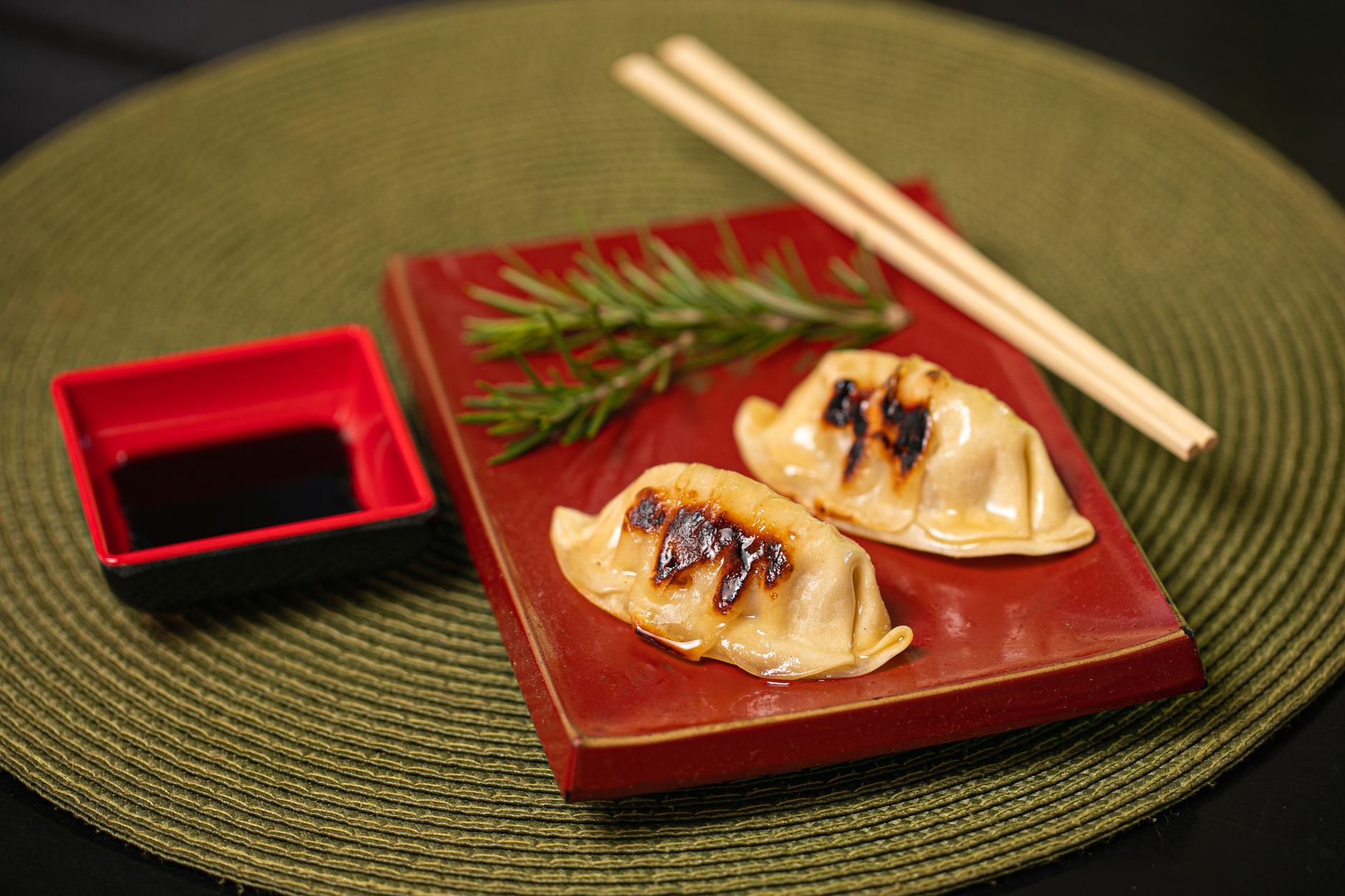
Gyoza is a popular Japanese dumpling that features a delicate outer skin filled with a savory mixture, typically of ground meat and vegetables. These delightful treats can be boiled, steamed, or pan-fried, emerging with delicious flavors and textures that make them a favorite globally.
The origins of gyoza trace back to Chinese potstickers, but they have since been adapted and embraced in Japanese cuisine. Understanding what gyoza is, how to prepare it, and its various serving options can enhance your culinary repertoire.
Gyoza: What Is It?
So, what exactly is gyoza? Gyoza are Japanese dumplings that consist of a thin dough skin typically made from wheat flour, filled with a mixture of finely minced meat, usually pork or chicken, and a variety of vegetables like cabbage, garlic, and ginger. The dumplings can be cooked in various ways, resulting in different textures and flavors. Often accompanied by a flavorful dipping sauce, gyoza can be served as an appetizer or a main dish.
Flavor and Texture of Gyoza
The flavor of gyoza is characterized by its umami richness stemming from the seasoned filling. The combination of meat or protein with fresh vegetables creates a well-balanced taste experience, while the thin dough wrapper provides a delightful chewiness. When pan-fried, the bottom develops a crispy texture that contrasts beautifully with the soft filling, making each bite satisfying.
Common Ingredients for Gyoza Filling
Understanding the core ingredients used for gyoza filling can help customize your dumplings according to your preferences.
- Ground Meat: Pork is the most common choice, but chicken, beef, or even plant-based proteins can work.
- Vegetables: Finely chopped cabbage, green onions, garlic, and ginger add flavor and moisture.
- Seasonings: Soy sauce, sesame oil, salt, and pepper are essential for enhancing the overall taste.
- Additional Ingredients: Adding ingredients like shiitake mushrooms, carrots, or chives can introduce unique flavors.
Essential Equipment for Cooking Gyoza
To prepare and cook gyoza, certain kitchen tools will make the process more manageable.
- Mixing Bowl: For combining the filling ingredients.
- Rolling Pin: To roll out the dough into thin discs.
- Round Cookie Cutter: To cut dough into perfectly sized circles.
- Non-Stick Skillet: Ideal for frying gyoza over medium heat.
- Steamer Basket: For steaming gyoza without any oil.
How to Make Gyoza From Scratch
Making gyoza can be a rewarding culinary experience, and it can be broken down into simple steps.
Preparation Time
Estimated preparation time: 30 minutes
Cooking Time
Estimated cooking time: 10 minutes
Total Time
Estimated total time: 40 minutes
Ingredient List
For 20 gyoza, you will need:
- Gyoza wrappers (store-bought or homemade, about 20 pieces)
- 250 grams (about ½ pound) ground pork
- 1 cup finely chopped napa cabbage or regular cabbage
- 1 green onion, finely sliced
- 2 cloves garlic, minced
- 1 teaspoon ginger, minced
- 2 tablespoons soy sauce
- 1 teaspoons sesame oil
- Salt and pepper to taste
- Cooking oil for frying
- Water (for steaming)
Step-by-Step Method
- Prepare the Filling: In a mixing bowl, combine ground pork, chopped cabbage, green onion, garlic, ginger, soy sauce, sesame oil, salt, and pepper. Mix thoroughly until well combined.
- Prepare the Wrappers: If using homemade wrappers, roll out the dough thinly and cut into rounds about 3.5 inches in diameter. If using store-bought, make sure they are defrosted and ready to use.
- Fill the Dumplings: Place about 1 tablespoon of the filling in the center of each wrapper. Be careful not to overfill to prevent bursting when cooking.
- Seal the Dumplings: Wet the edges of the wrapper with water, fold the dough over the filling, and press to seal. You can add pleats on one side for a traditional look.
- Cook the Gyoza: Heat a skillet over medium heat and add a small amount of cooking oil. Place the gyoza in the pan, leaving some space between each. Fry for about 2 minutes until the bottoms are golden brown.
- Add Water to Steam: Carefully add about ¼ cup of water to the pan, cover immediately, and let steam for 5-6 minutes until the water has evaporated and the gyoza are cooked through.
- Serve: Once cooked, serve the gyoza with dipping sauce on the side for an extra flavor boost.
Common Mistakes When Making Gyoza
When preparing gyoza, certain pitfalls can occur. Here are some common mistakes to avoid:
- Overfilling: Adding too much filling can lead to dumplings bursting during cooking. Stick to a tablespoon for each.
- Poor Sealing: Ensure the edges are well-sealed using water to prevent leakage while cooking.
- Cooking Times: Overcooking will make the wrappers soggy, while undercooking leaves them tough. Pay attention to steam times.
Serving Suggestions for Gyoza
Gyoza are versatile and can be served in various ways. Here are some popular serving suggestions:
- Dipping Sauce: A typical sauce consists of soy sauce, rice vinegar, and chili oil. You can adjust ratios based on your taste.
- Accompaniments: Pair gyoza with a side of steamed rice, miso soup, or a fresh salad for a complete meal.
- Cooking Variations: Experiment with different cooking methods; for instance, try steaming them for a lighter version or boiling for a softer texture.
Customization and Variations
Gyoza filling can be easily customized to suit different dietary preferences. Here are a few potential variations:
- Vegetarian Gyoza: Replace meat with finely chopped mushrooms, tofu, or other vegetables.
- Spicy Gyoza: Add chili paste or finely chopped jalapeños to the filling for a spicy kick.
- Seafood Gyoza: Substitute ground pork with shrimp or crab for a seafood twist.
Storing and Reheating Gyoza
If you have leftovers or want to prepare gyoza ahead of time, proper storage is crucial.
Storage
Store uncooked gyoza in a single layer on a baking sheet, then cover with plastic wrap and freeze. Once frozen, transfer to a zip-top bag for long-term storage (up to 3 months).
Reheating
To reheat, you can pan-fry from frozen, adding a little water to steam as mentioned above. Alternatively, steam them directly without thawing for about 8-10 minutes.
Food Pairings
When enjoying gyoza, consider pairing them with complementary dishes and beverages:
- Sake or Beer: These alcoholic beverages balance the rich flavors of gyoza.
- Asian Salads: Light salads can provide a refreshing contrast.
- Rice Dishes: Serve gyoza alongside rice dishes for a fulfilling meal.
Exploring Gyoza in Different Cultures
While gyoza is primarily known in Japan, many countries have their versions of dumplings. Here’s a quick look at a few:
- Chinese Jiaozi: Similar to gyoza, these dumplings are often boiled or steamed and have a more extensive range of fillings.
- Korean Mandu: Often filled with meat or vegetables, mandu can also be fried or steamed with a crispy skin.
- Italian Ravioli: These pasta dumplings have a different shape but can be filled with similar ingredients, showcasing the universal appeal of dumplings.
Conclusion
Gyoza can be a delightful addition to your cooking repertoire, offering versatility and rich flavors. Whether you choose to stick with traditional ingredients or innovate with new fillings, these dumplings can become a beloved staple in your meals. Consider making a batch this week to enjoy an authentic taste of Japan right in your home!
For more culinary adventures, explore related recipes like the creamy cream cheese rangoon recipe or learn how to make a flavorful dumpling dipping sauce that perfectly complements your gyoza.