
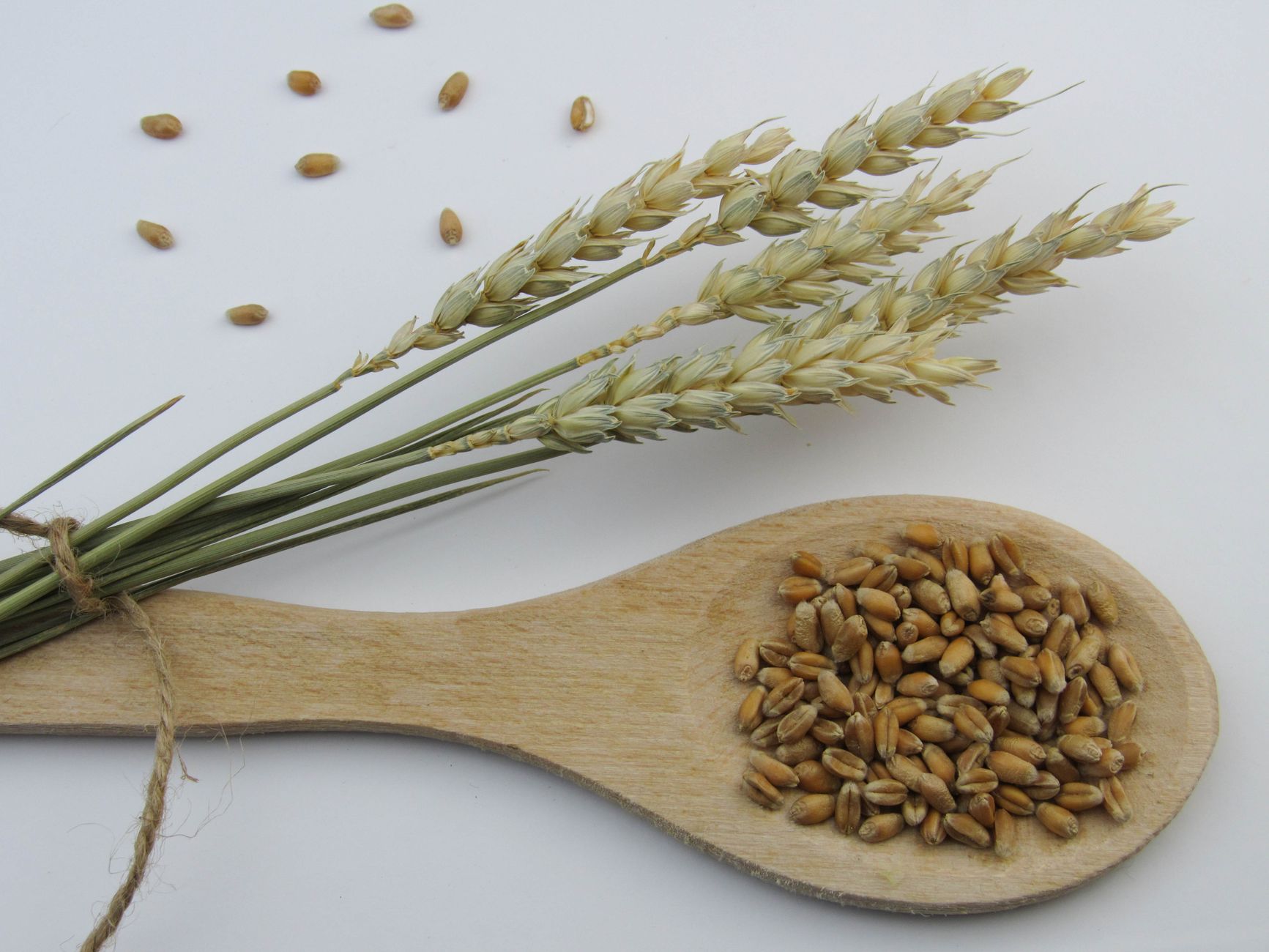
Flour is a staple ingredient in many kitchens and comes in various types, each with its unique characteristics. Among these, flour that is not enriched stands out due to its absence of added vitamins and minerals. This article delves into what non-enriched flour is, its uses in cooking and baking, and how it compares to enriched flour.
Understanding non-enriched flour will help you make informed choices when preparing meals, whether you’re baking bread, making sauces, or preparing pastries. We’ll explore its nutritional aspects, culinary applications, and tips for using it effectively in your kitchen.
What Is Flour That Is Not Enriched?
Flour that is not enriched is made from wheat grains that have not had vitamins and minerals added back to them after processing. Most commercial flours are enriched with nutrients such as iron and B vitamins to replace some of the nutrients lost during milling. Non-enriched flours maintain the natural nutrient profile of the wheat but may not have higher levels of these added nutrients.
Nutritional Aspects of Non-Enriched Flour
Non-enriched flour generally contains the same base nutrients found in whole wheat or regular all-purpose flour, including protein, fiber, and carbohydrates. However, it lacks the enhancements found in enriched flour. The primary nutrients found in non-enriched flour include:
- Carbohydrates: The main energy source.
- Protein: Important for building and repairing tissues.
- Dietary Fiber: Promotes healthy digestion.
- Vitamins: Depending on the type of wheat used, non-enriched flour may contain some B vitamins and antioxidants in their natural state.
While enriched flour provides essential nutrients, non-enriched flour offers the benefit of whole grain flour’s natural qualities, often resulting in better flavor and texture in certain recipes.
Types of Non-Enriched Flours
There are several types of flour that do not undergo enrichment processes. Here are some of the most common:
- Whole Wheat Flour: Made from the entire wheat grain, this flour retains the bran, germ, and endosperm, resulting in high fiber content.
- Unbleached All-Purpose Flour: This flour is not treated with bleaching agents and maintains a slightly richer flavor and creamier color.
- Spelt Flour: An ancient grain that is nutritionally rich and offers a nutty flavor, spelt flour is often used as a substitute for regular wheat flour.
- Einkorn Flour: Also an ancient grain, Einkorn is less processed and is known for its higher nutrient density compared to modern wheat.
- Oat Flour: Made by grinding whole oats, oat flour is gluten-free and ideal for certain baked goods.
Culinary Uses of Non-Enriched Flour
Non-enriched flour is versatile and can be used in various culinary applications. Below are some common uses:
Baking
In baking, non-enriched flour can create dense and flavorful products. It is perfect for artisan bread, muffins, and pancakes, where a more robust flavor is desired. Whole wheat flour, for instance, is often used in hearty loaves and baked goods that benefit from its rich, nutty flavor.
Making Sauces and Gravies
Non-enriched flour can be used as a thickening agent for sauces and gravies. When making a roux, using unbleached all-purpose flour adds depth to the flavor while providing the necessary texture to sauces.
Pasta and Pizza Dough
Non-enriched flour can also be excellent for homemade pasta and pizza dough. Whole wheat flour adds a distinctive taste and chewy texture that elevates these dishes.
How to Use Non-Enriched Flour in Recipes
When using non-enriched flour in recipes, here are some guidelines to keep in mind:
- Adjust Liquid Ratios: Non-enriched flour may absorb more liquid due to its higher protein and fiber content. Always check batter or dough consistency and adjust liquid as needed.
- Mixing Times: Non-enriched flour may create denser textures; therefore, mixing times may need adjustments, especially with yeast-based products.
- Experiment with Ratios: If substituting enriched flour with a non-enriched alternative, try using a 1:1 ratio but be ready to tweak the recipe for the best results.
Common Mistakes When Using Non-Enriched Flour
When working with non-enriched flour, some common pitfalls can affect the outcome of dishes:
- Not Considering Flavor Profiles: Non-enriched flour can impart a stronger flavor. Ensure that the recipe aligns with the taste you desire.
- Ignoring Texture Differences: The texture of baked goods will differ when using non-enriched flour; take care to observe doneness cues such as browning and firmness.
- Skipping Recipes Specifically Designed for Non-Enriched Flour: Some recipes are purposely tailored to use non-enriched flour, providing better outcomes.
Substitutions and Variations
If you find yourself needing to substitute non-enriched flour with other types of flour, consider the following options:
- All-Purpose Flour: This can replace whole wheat flour in most recipes, but be aware it will yield a lighter texture.
- Gluten-Free Flours: If gluten sensitivity is a concern, alternatives such as almond flour, coconut flour, or chickpea flour can be used. Adjust liquid ratios and binding agents accordingly.
- Other Whole Grains: Flours made from oats, rye, or barley can serve as substitutes depending on the desired flavor and texture.
Storage and Shelf Life of Non-Enriched Flour
To ensure the best quality and longevity, you should store non-enriched flour properly:
- Temperature: Keep flour in a cool, dry place. An airtight container is ideal for maintaining freshness.
- Refrigeration: For longer shelf life, consider refrigerating or freezing flour. This method can extend its use significantly.
- Shelf Life: Non-enriched flour can last about 6 to 12 months depending on storage conditions; always check for signs of spoilage such as off odors or discoloration.
Conclusion
Flour that is not enriched provides a healthier, more flavorful alternative to enriched varieties. Understanding the different types, culinary applications, and how to use non-enriched flour effectively can elevate your cooking and baking endeavors. Whether you are making bread, sauces, or pastries, non-enriched flour is a rewarding choice.
For your next culinary experiment, consider trying non-enriched flours to see how they can improve your dishes. Explore options like whole wheat flour or spelt flour for variety. Interested in learning more? Check out our article on the difference between bleached and unbleached flour or try our Einkorn bread recipe to put your non-enriched flour to good use.