
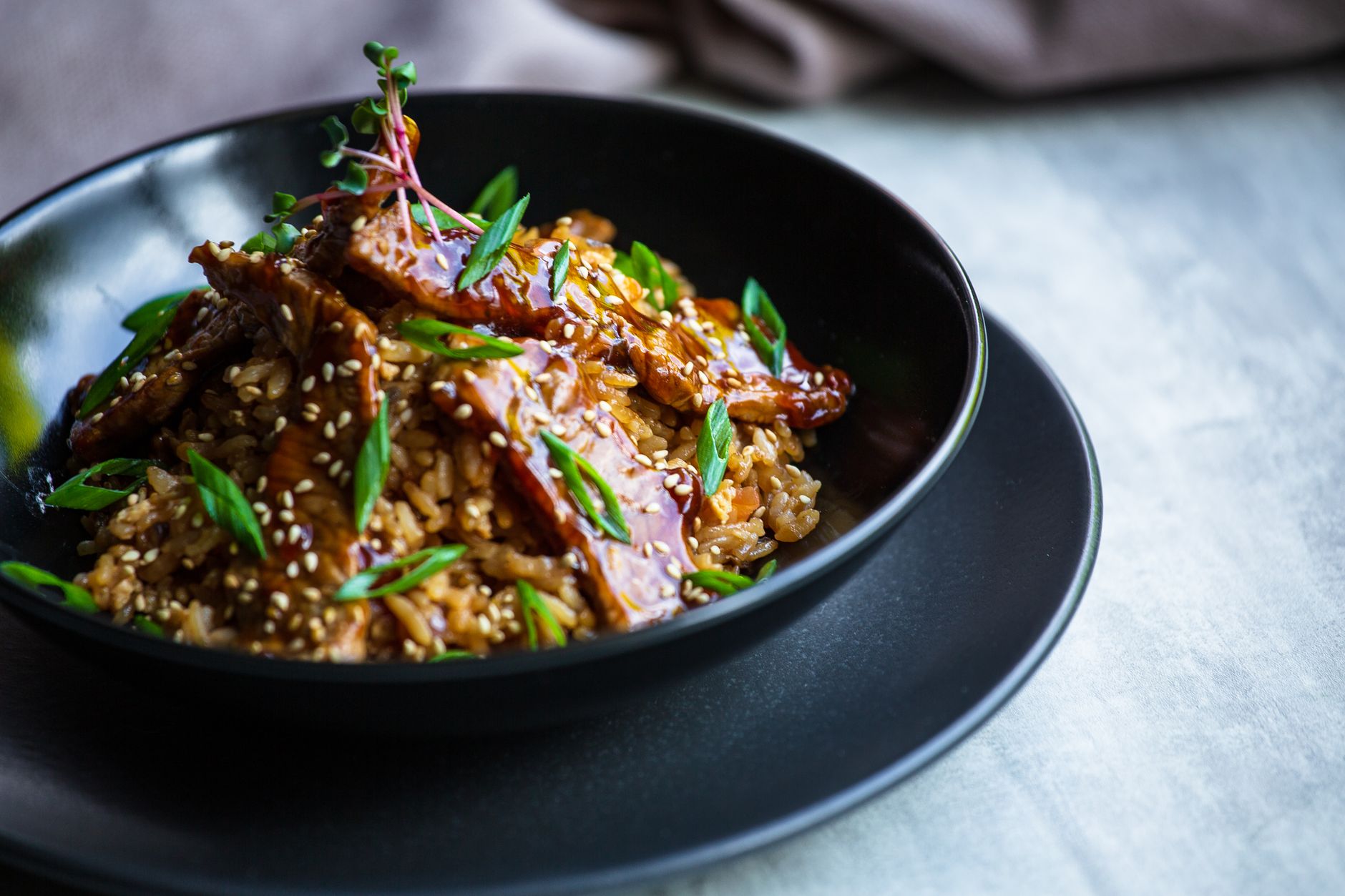
Teriyaki sauce is a popular flavorful condiment that adds a sweet, savory, and slightly tangy taste to various dishes. Many people wonder about its ingredients, particularly whether honey is a component. Understanding the composition of teriyaki sauce and the potential roles of honey can help in recipe creation and ingredient selection.
This article will explore whether teriyaki sauce contains honey, the traditional ingredients used in various recipes, potential substitutes, and tips for serving and pairing. Whether you’re making your own teriyaki sauce at home or choosing store-bought options, it’s vital to grasp its key elements.
Does Teriyaki Sauce Have Honey?
Traditional teriyaki sauce does not universally include honey, but many recipes incorporate it for enhanced sweetness and flavor complexity. The core ingredients typically consist of soy sauce, sake or mirin, and sugar. Honey is an optional addition that can elevate the sauce’s sweetness and add depth. Whether a teriyaki sauce contains honey often depends on the specific recipe or product.
Key Ingredients in Teriyaki Sauce
To understand the flavor profile and versatility of teriyaki sauce, it’s essential to look at its primary ingredients. Each component contributes to the overall taste and texture of the final product.
- Soy Sauce: The foundation of teriyaki sauce, providing saltiness and umami flavor.
- Sake or Mirin: These Japanese rice wines add sweetness and depth, with mirin being sweeter than sake.
- Sugar: Granulated sugar or brown sugar is commonly used to balance the saltiness of the soy sauce.
- Honey (Optional): When included, honey enhances the sauce’s sweetness, adding complexity.
- Ginger and Garlic (Optional): These aromatics can be added for more depth of flavor.
- Sesame Oil (Optional): A drizzle of sesame oil provides a nutty aroma that complements the sweetness.
Common Variations of Teriyaki Sauce
There are many variations of teriyaki sauce, each with unique twists. Here are some common ones:
- Classic Teriyaki Sauce: Uses soy sauce, mirin, and sugar without honey.
- Honey Teriyaki Sauce: Incorporates honey for a sweeter flavor, ideal for glazing meats.
- Pineapple Teriyaki Sauce: Uses pineapple juice or crushed pineapple for a fruity twist.
- Spicy Teriyaki Sauce: Adds sriracha or other hot sauces for heat.
- Low-Sodium Teriyaki Sauce: Uses low-sodium soy sauce to accommodate dietary restrictions.
Homemade Teriyaki Sauce Recipe
If you want to control the ingredients in your teriyaki sauce, making it at home is a great option. Here’s a simple recipe to prepare your homemade teriyaki sauce:
Yield and Timing
This recipe yields about 1 cup of teriyaki sauce. Preparation time is around 5 minutes, and once you combine the ingredients, you’ll need to heat it for 10 to 15 minutes, resulting in a total time of about 20 minutes.
Ingredients List
- 1/2 cup soy sauce
- 1/4 cup water
- 1/4 cup honey (optional)
- 2 tablespoons mirin or sake
- 2 tablespoons sugar (adjust to taste)
- 1 clove garlic, minced (optional)
- 1 teaspoon grated ginger (optional)
- 1 teaspoon cornstarch (optional, for thickening)
Essential Equipment
- Small saucepan
- Whisk
- Measuring cups and spoons
- Garlic press (optional)
- Fine grater or microplane for ginger (optional)
Step-by-Step Instructions
- In a small saucepan, combine the soy sauce, water, honey (if using), mirin or sake, and sugar.
- Add minced garlic and grated ginger if desired, for added flavor.
- Place the saucepan over medium heat and whisk the mixture until the sugar dissolves.
- Bring to a gentle simmer and let it cook for 10-15 minutes. If you want a thicker sauce, dissolve 1 teaspoon of cornstarch in a tablespoon of cold water and add it to the simmering sauce, stirring until thickened.
- Remove from heat and allow to cool slightly before storing in a clean container in the refrigerator.
Practical Substitutions
If you’re missing some ingredients or want to adjust the flavor, consider these substitutions:
- Low-Sodium Soy Sauce: Use if you want to reduce sodium intake.
- Amapola Syrup or Agave Nectar: Sugar alternatives that work for sweetness.
- White or Red Wine Vinegar: An alternative for sake or mirin if unavailable.
- Chicken or Vegetable Broth: Use in place of water to add depth of flavor.
Common Mistakes and Troubleshooting
Making teriyaki sauce can be straightforward, but here are some common pitfalls and how to avoid them:
- Too Salty: If your sauce is too salty, add more sugar or water to help balance it out.
- Not Sweet Enough: Adjust the amount of honey or sugar according to your taste.
- Burnt Flavors: Keep the heat moderate and stir frequently to prevent burning.
Serving Suggestions for Teriyaki Sauce
Teriyaki sauce is incredibly versatile and can be paired with various dishes. Here are some suggestions for serving:
- Grilled Meats: It works excellently as a marinade or glaze for chicken, beef, or pork.
- Stir-Fried Vegetables: Drizzle over sautéed vegetables for added flavor.
- Rice and Noodles: Use as a dressing for rice bowls or noodle dishes.
- Salads: A lighter version can be used as a salad dressing, combining it with oils or vinegars.
How to Store Teriyaki Sauce
Homemade teriyaki sauce can be stored in the refrigerator for up to two weeks. Here are some storage tips:
- Use an airtight container for optimal freshness.
- For long-term storage, consider freezing in ice cube trays. Once frozen, transfer cubes to a freezer bag for easy portioning.
- Thaw in the refrigerator or use directly from the freezer in recipes; just adjust cooking time as necessary.
Commercial Teriyaki Sauces: An Overview
If you’re short on time or prefer convenience, numerous commercial teriyaki sauces are available. These sauces vary in flavor, ingredients, and sweetness. Here are some factors to consider when selecting a store-bought option:
- Ingredients: Read the label to see if honey or high fructose corn syrup is present for sweetness.
- Sodium Content: Choose low-sodium options if you want to watch your salt intake.
- Flavor Profiles: Some brands offer unique variations with added spices, garlic, or ginger.
Exploring Regional Variations of Teriyaki Sauce
While teriyaki sauce is most commonly associated with Japanese cuisine, different regions and cultures have developed their own takes on this sauce:
- Hawaiian Teriyaki: Often sweeter and fruitier, incorporating pineapple and brown sugar.
- American BBQ Teriyaki: Combines teriyaki with traditional barbecue flavors, often featuring smokiness.
- Thai Teriyaki: Includes adding coconut milk or chili for a unique twist.
Conclusion
Teriyaki sauce can sometimes contain honey, but it’s not a mandatory ingredient in all recipes. Understanding its key components will help you make informed decisions, whether you’re making the sauce from scratch or choosing a commercial version. With its rich flavors and versatility, teriyaki sauce can enhance various dishes, making it a valuable condiment in any kitchen.
Consider experimenting with homemade teriyaki sauce, using the suggestions and techniques discussed above. To explore related recipes, take a look at our honey sesame chicken recipe and learn how to make a delicious honey glaze for your dishes.