
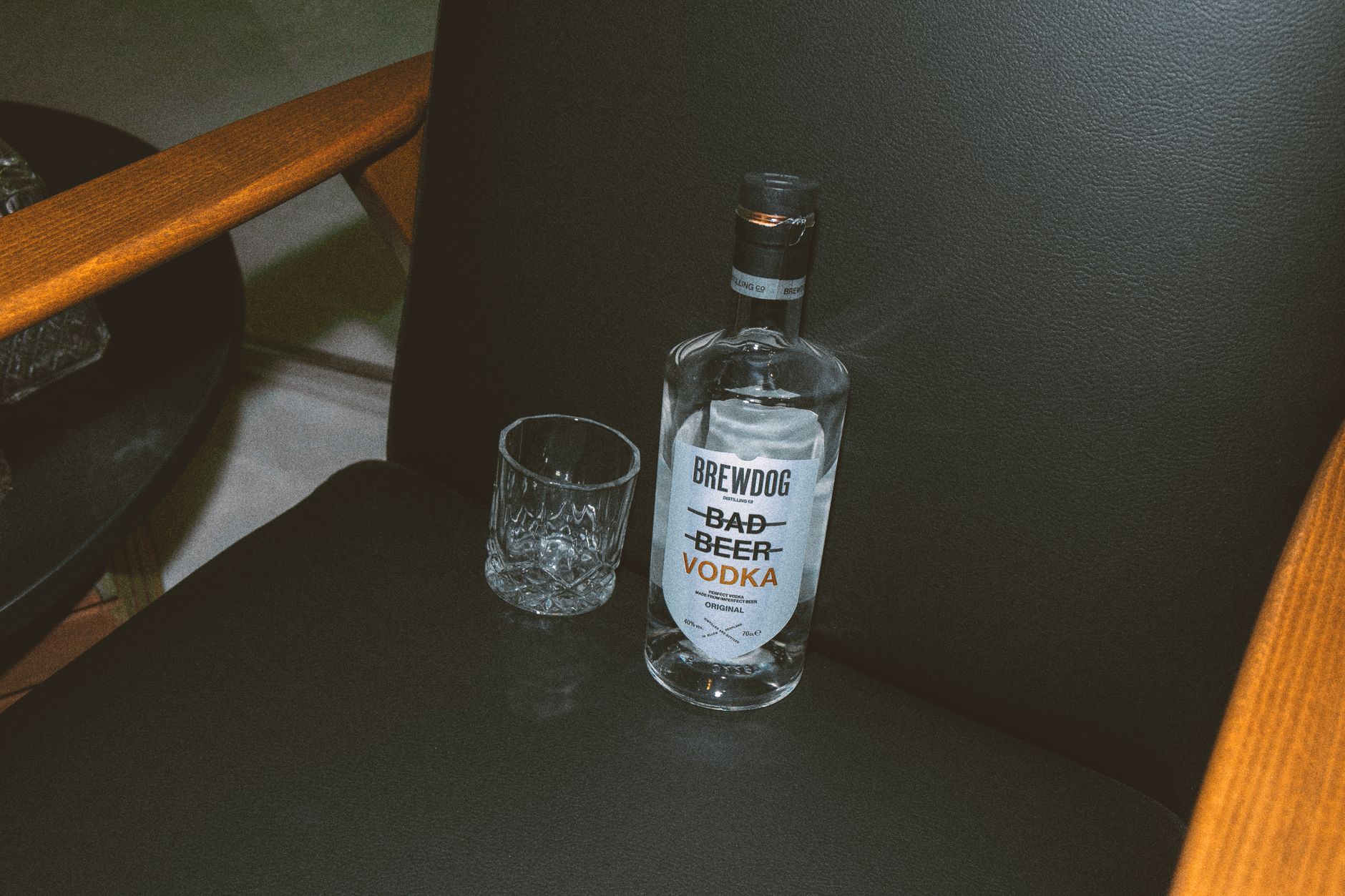
When it comes to drinking vodka, many people are curious about its nutritional content, especially regarding carbohydrates. This is particularly relevant for those following low-carb or ketogenic diets who want to understand how vodka fits into their dietary restrictions. Here, we will delve into the carbohydrate content of vodka, explore its nutritional facts, and answer common questions related to this popular spirit.
Understanding vodka’s relationship with carbs can help you make informed decisions about your beverage choices without sacrificing your health goals. Let’s explore the facts surrounding vodka, its ingredients, serving suggestions, and some cocktail ideas that keep things low in carbohydrates.
Does Vodka Have Carbs?
No, vodka contains no carbohydrates. This spirit is distilled from fermentable ingredients like grains or potatoes, but the distillation process eliminates almost all carbohydrates. A standard serving of vodka (about 1.5 ounces) contains zero carbs, making it a popular choice for individuals on low-carb diets.
Understanding Vodka: The Basics
Vodka is a clear distilled alcoholic beverage originating from Eastern Europe. It traditionally hails from countries such as Russia and Poland and is made by fermenting grains (like wheat, rye, or corn) or potatoes. The alcohol is then distilled to achieve a high concentration, typically around 40% ABV (alcohol by volume).
The lack of flavor and aroma in vodka makes it a versatile spirit used in a variety of cocktails. While vodka itself has no carbohydrates, additional mixers and ingredients can contribute to the overall carb content in a drink.
Nutritional Facts of Vodka
Here’s a breakdown of vodka’s nutrition per 1.5-ounce (44 ml) serving:
- Calories: Approximately 97
- Carbohydrates: 0 g
- Protein: 0 g
- Fat: 0 g
As we can see, vodka is calorie-dense due to its alcohol content, but it remains free from sugars and carbohydrates. The primary concern for those watching their carb intake comes from mixers added to cocktails rather than the vodka itself.
How Vodka is Made
The process of making vodka involves several key stages: fermentation, distillation, and filtration. Here’s a brief overview of each step:
1. Fermentation
The base ingredient (grains or potatoes) is mashed and combined with water and yeast. Yeast consumes the sugars present in the mash, producing ethanol and carbon dioxide.
2. Distillation
The fermented mash is then heated, allowing the ethanol to evaporate. The vapor is collected and cooled back into liquid form, resulting in a high-proof alcohol. Standard vodka is distilled multiple times to achieve a higher purity level.
3. Filtration
After distillation, vodka undergoes a filtering process to remove any impurities or unwanted flavors. Common filtering agents include charcoal and sand. This process contributes to vodka’s clean taste.
Popular Vodka Cocktails and Their Carb Content
Many enjoy vodka in various cocktails. While vodka itself contains no carbs, mixers can add significant carbohydrates. Understanding this can help you make healthier choices. Here are a few popular vodka cocktails and their carb content:
1. Vodka Soda
A classic and refreshing option, a vodka soda is made simply by mixing vodka with soda water and a squeeze of lime. This drink has zero carbs.
2. Vodka Tonic
While vodka tonic is a refreshing cocktail, tonic water is high in sugar. One serving can easily add around 15-20 grams of carbohydrates. Opting for a diet or zero-calorie tonic can help reduce the carb content significantly.
3. Bloody Mary
This savory cocktail, made with vodka, tomato juice, and various spices and flavorings, can vary greatly in carbs depending on the recipe. A classic Bloody Mary may contain 6-10 grams of carbs per serving, primarily from the tomato juice.
4. Dirty Vodka Martini
A dirty martini is made with vodka, vermouth, and olive brine. This cocktail typically has minimal carbs—around 2-4 grams per serving—making it a low-carb option as well.
5. Vodka Collins
A vodka collins includes vodka, lemon juice, simple syrup, and soda water. This drink can carry about 20 grams of carbohydrates due to the sugar from the simple syrup. Using a sugar substitute can lower the carb content significantly.
Comparing Vodka to Other Spirits
When considering your alternatives, it’s essential to compare vodka to other alcoholic beverages in terms of carbohydrate content:
| Beverage | Carbohydrates (per 1.5 oz) |
|---|---|
| Vodka | 0 g |
| Gin | 0 g |
| Whiskey | 0 g |
| Rum | 0 g |
| Tequila | 0 g |
| Beer | 10-15 g |
| Sweet Wine | 20-30 g |
| Mixed Drinks | Varies widely |
As shown above, distilled spirits like vodka, gin, whiskey, rum, and tequila contain no carbohydrates. In contrast, beer and sweet wine are significantly higher in carbs, often making them less compatible with low-carb diets.
Common Questions About Vodka and Carbohydrates
Is vodka gluten-free?
Vodka is generally considered gluten-free, especially those made from potatoes or gluten-free grains, such as corn or rice. However, be cautious of flavored vodkas, as some may contain gluten-derived ingredients.
Can I drink vodka while on a ketogenic diet?
Yes, vodka is suitable for a ketogenic diet since it contains no carbs. However, it is essential to avoid sugary mixers that can disrupt ketosis.
What are the best mixers for low-carb vodka cocktails?
The best mixers for low-carb cocktails include:
- Soda water
- Diet tonic water
- Freshly squeezed citrus juices (in moderation)
- Low-carb flavored syrups
- Unsweetened tea or coffee
Tips for Enjoying Vodka Responsibly
While vodka can be enjoyed in moderation, here are some tips to keep in mind:
- Drink responsibly and pace yourself. Alcohol can affect hydration levels, so balance with water intake.
- Keep an eye on portion control. While vodka itself contains no carbs, caloric intake can still add up.
- Choose quality vodka brands for a smoother taste. The purity and ingredients can affect overall drinking experience.
- Experiment with fresh herbs and spices to add flavor without adding carbs.
Conclusion
Vodka is a versatile spirit with zero carbohydrates, making it a suitable choice for those on low-carb or ketogenic diets. While the vodka itself is carb-free, the mixers used can significantly impact the overall carbohydrate content of your cocktails. By choosing low-carb mixers and being mindful of your drink choices, you can indulge in vodka without complicating dietary goals.
Next time, explore a refreshing vodka collins recipe or try making a dirty vodka martini for a flavorful yet low-carb drink. Cheers to informed drinking choices!