
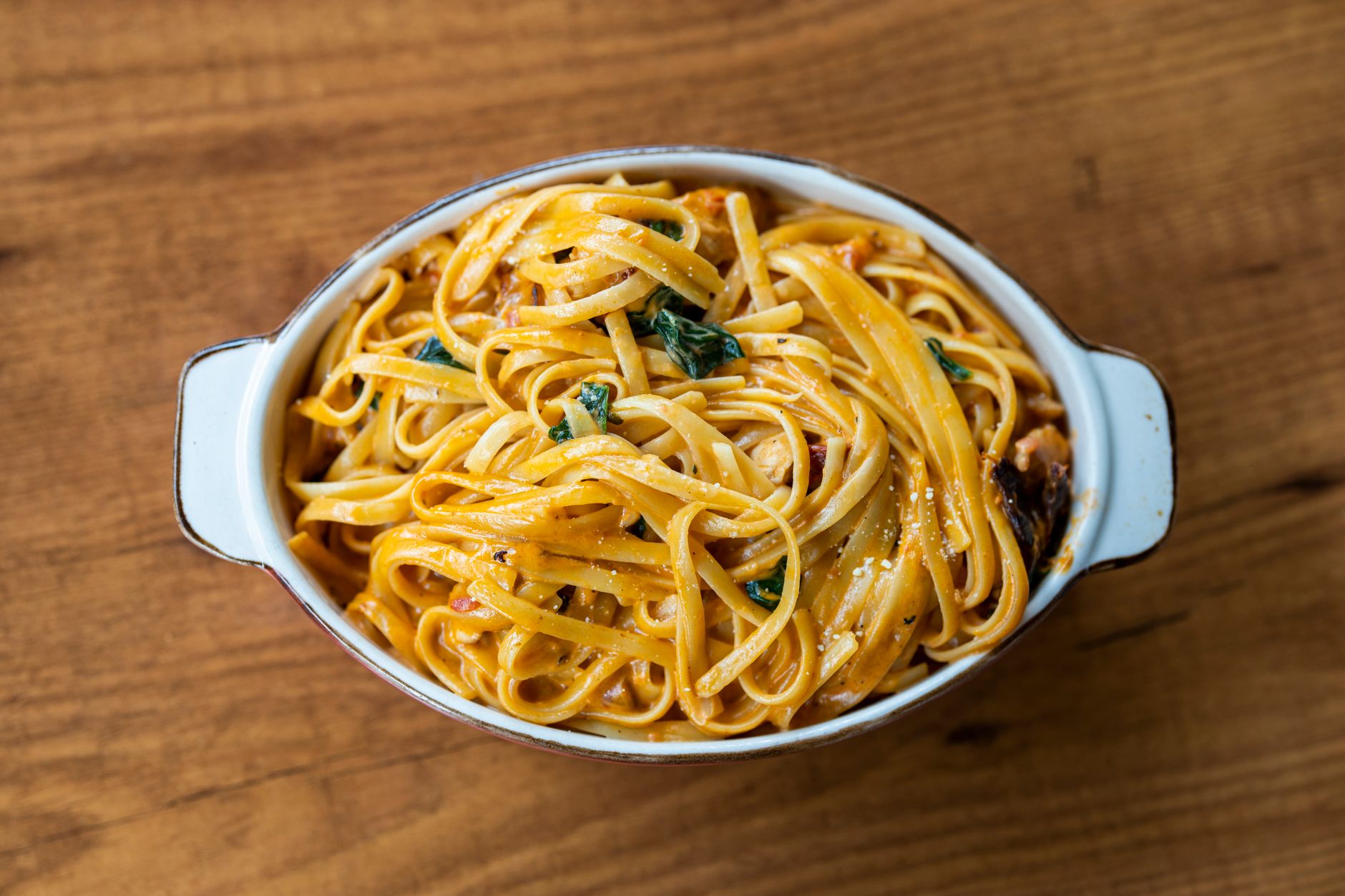
Spaghetti is a beloved dish that appeals to many with its versatility and comforting qualities. It can be enjoyed with a variety of sauces, from classic marinara to creamy alfredo. Many people wonder whether this popular pasta can be frozen, especially if they’ve cooked too much or want to save leftovers for later. Understanding the freezing process and storage tips for spaghetti is essential for keeping your meals fresh and enjoyable.
In this guide, we’ll explore the freezing capabilities of spaghetti, how to properly store it, and best practices for thawing. You’ll be armed with the knowledge to ensure your pasta maintains its flavor and texture, making meal prep a breeze.
Does Spaghetti Freeze Well?
Yes, spaghetti freezes well if stored properly. However, the quality may slightly change when reheated. When frozen and thawed correctly, spaghetti can retain a satisfactory texture and flavor, allowing you to enjoy it later without compromising the experience.
Preparing Spaghetti for Freezing
Before freezing, it’s vital to prepare your spaghetti properly. Here are the key steps to ensure it freezes effectively:
- Choose the Right Spaghetti: Use freshly cooked spaghetti rather than leftover pasta that has been sitting at room temperature. Fresh spaghetti maintains the best flavor and texture.
- Cool Down: Allow the cooked spaghetti to cool to room temperature. Placing hot pasta directly into the freezer may cause it to clump together.
- Portioning: Divide the spaghetti into single or meal-sized portions. This makes it easier to thaw only what you need, preventing waste.
- Use Freezer-Safe Containers: Place the cooled, portioned spaghetti into airtight containers or heavy-duty freezer bags. Remove as much air as possible before sealing.
- Label and Date: Use a permanent marker to label and date the container or bag. This helps keep track of how long the spaghetti has been in the freezer.
Best Types of Spaghetti for Freezing
While most types of cooked spaghetti can be frozen, some work better than others. Consider the following:
- Plain Spaghetti: Regular spaghetti without sauce freezes well. It allows you to add your choice of sauce upon reheating.
- Sauced Spaghetti: If you enjoy spaghetti with sauce, it’s best to freeze the sauce separately from the pasta. However, if they’re combined, it’s still possible to freeze them together.
- Whole Wheat or Gluten-Free Spaghetti: These varieties can also be frozen, but they may have slightly different textures when reheated.
How Long Can You Freeze Spaghetti?
When properly stored, spaghetti can be frozen for up to 3 months without significant loss of quality. While it may be safe to consume after this period, the texture and flavor may decline over time. Always use your senses to evaluate whether frozen food is still good. If there’s any off smell or discoloration, it’s better to err on the side of caution.
Thawing Frozen Spaghetti
Proper thawing is essential to maintain the quality of your frozen spaghetti. Here are the best methods:
1. Refrigerator Thawing
The safest and most effective method is to thaw spaghetti in the refrigerator. Transfer the desired portion from the freezer to the refrigerator and allow it to thaw overnight. This slow thawing helps retain texture and prevents the growth of harmful bacteria.
2. Cold Water Thawing
If you need to thaw spaghetti quickly, place the sealed bag or container in a bowl of cold water. Change the water every 30 minutes until the pasta is thawed. This method is faster than refrigerator thawing but still safe.
3. Microwave Thawing
Using a microwave is a quick method for thawing spaghetti, but it can lead to uneven heating and a change in texture. If choosing this method, set your microwave to the defrost setting. Keep a close eye on the spaghetti, stirring occasionally to promote even thawing.
Reheating Frozen Spaghetti
Once thawed, spaghetti can be reheated easily. Here are the best methods:
1. Stovetop Reheating
For the best results, reheat frozen spaghetti on the stovetop. Use a non-stick skillet or pot. Add a splash of water or broth to prevent sticking, then gently toss the pasta over medium heat until warmed through. This method helps restore moisture and avoids overcooking.
2. Microwave Reheating
Alternatively, you can reheat spaghetti in the microwave. Place the pasta in a microwave-safe dish, sprinkle with a little water, and cover loosely. Heat in short intervals, stirring in between, until the pasta is hot. Be cautious to avoid overheating, which can make the spaghetti rubbery.
3. Oven Reheating
If you’re reheating a larger portion, consider using the oven. Preheat the oven to 350°F (175°C). Place the spaghetti in an oven-safe dish, cover it with aluminum foil to prevent drying out, and heat for about 20 minutes or until heated through. This method is especially effective when reheating sauced spaghetti.
Common Mistakes to Avoid When Freezing Spaghetti
Freezing spaghetti may seem straightforward, but there are some missteps to avoid:
- Freezing Too Soon: Avoid freezing spaghetti while it’s still warm. This can lead to excess moisture and cause clumping and loss of texture.
- Not Portioning: Freezing the entire batch can make it challenging to use later. Portioning allows for more flexibility when thawing.
- Excess Air in Bags: Air causes freezer burn, which negatively affects the flavor and texture of your spaghetti. Make sure to seal bags tightly.
- Ignoring Labels: Forgetting to label your frozen spaghetti can lead to confusion about how long it’s been in the freezer.
Frequently Asked Questions About Freezing Spaghetti
Can I freeze spaghetti with meat sauce?
Yes, spaghetti with meat sauce can be frozen. However, similar to other sauced pasta, it may slightly alter in texture upon reheating. If possible, consider freezing the meat sauce separately, to ensure optimum flavor and texture.
Is it better to freeze spaghetti cooked or uncooked?
Cooked spaghetti freezes better than uncooked spaghetti because uncooked pasta has a longer shelf life and can be stored more effectively at room temperature.
Can I freeze spaghetti salad?
Spaghetti salad can be frozen, but it’s important to note that the texture may change after thawing, particularly if it contains vegetables or dressings. It’s often best enjoyed fresh, but if you do freeze it, prepare to use it as an ingredient in another dish.
Using Leftover Spaghetti
Freezing spaghetti allows you to reduce food waste and make quick meals. If you have leftover spaghetti, consider these creative ways to use it:
- Spaghetti Frittata: Mix leftover spaghetti with eggs and cheese for a hearty frittata.
- Spaghetti Bake: Combine cooked spaghetti with marinara, cheese, and any desired toppings for a baked pasta dish.
- Spaghetti Soup: Add leftover spaghetti to soups or broths for a filling side dish.
Conclusion
Freezing spaghetti is a practical solution for meal prep or preserving leftovers. By following the right storage, thawing, and reheating techniques, you can enjoy this delightful pasta dish even after it’s been frozen. A well-prepared batch of spaghetti can save you time and effort during busy weeknights, giving you a wholesome meal with minimal fuss.
For additional meal prep insights, check out our guide on freezing cooked chicken or explore our delicious meatless spaghetti sauce recipe for a hearty accompaniment to your pasta dishes.