
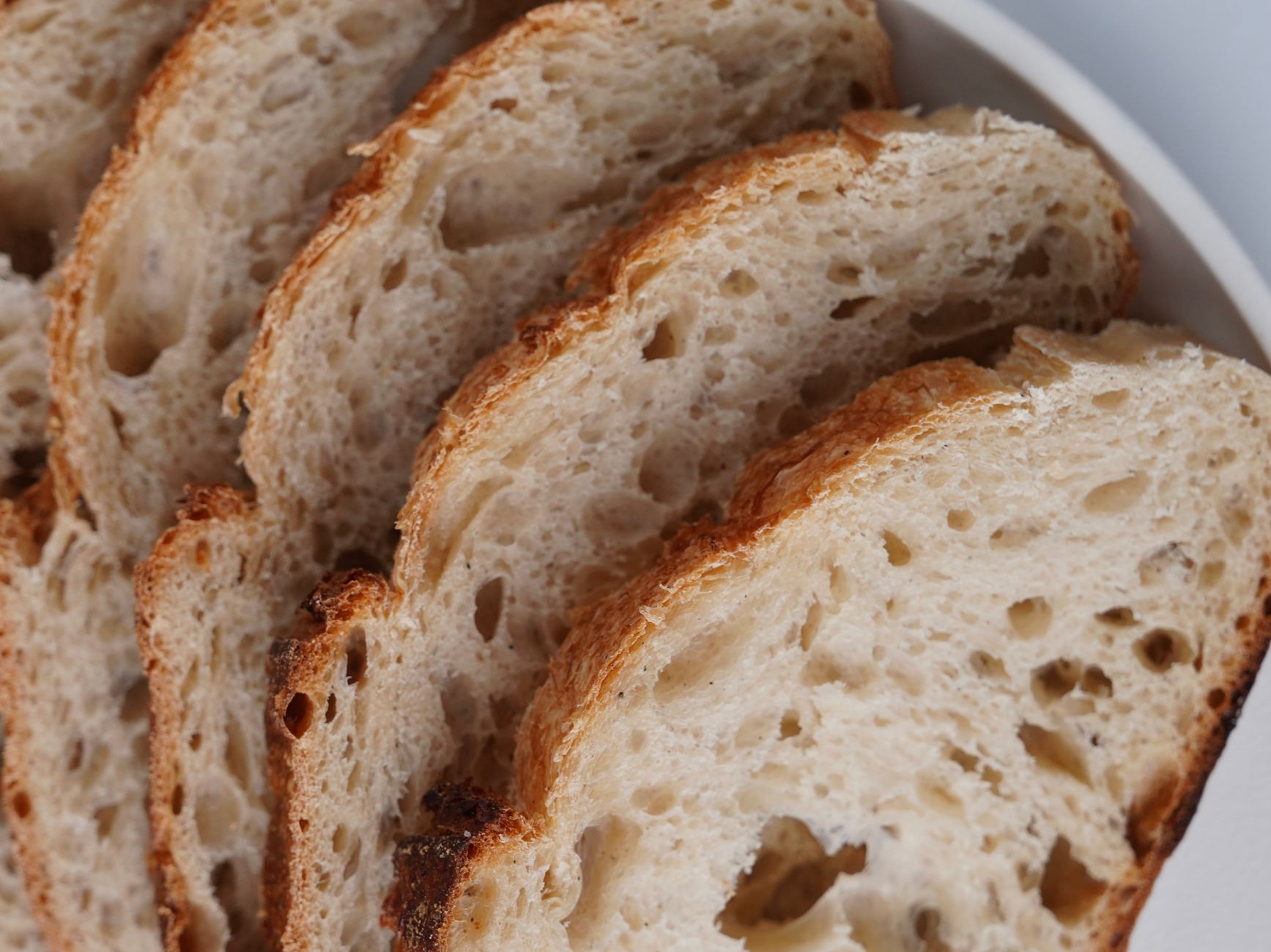
Sourdough bread is beloved for its tangy flavor, crusty exterior, and chewy interior. Many people wonder how it fits into their dietary needs, especially those monitoring carbohydrates. Understanding the carb content of sourdough bread can help individuals make informed choices about their diet.
This article explores the carbohydrate content in sourdough bread, specifically breaking it down by serving size. It also examines how the fermentation process impacts carbs, which factors influence carb content, and how sourdough compares to other bread types.
Does Sourdough Bread Have Carbs?
Yes, sourdough bread does contain carbohydrates. The amount of carbs can vary depending on the specific recipe and serving size, but generally, a standard slice of sourdough bread has approximately 15 grams of carbohydrates. The fermentation process used in making sourdough can influence the digestibility of these carbs.
Understanding Carbohydrates in Sourdough Bread
Carbohydrates are a crucial macronutrient that provides energy to the body. When it comes to bread, the majority of carbs come from flour, which is the primary ingredient. Here’s what you need to know about the carbs in sourdough bread:
- Types of Carbohydrates: Sourdough bread contains both simple and complex carbohydrates. Simple carbs can be digested quickly, while complex carbs take longer to break down.
- Fiber Content: Sourdough often contains more fiber than regular bread, particularly whole grain varieties. This higher fiber content can help mitigate blood sugar spikes.
- Impact of Fermentation: The sourdough fermentation process can lead to partial breakdown of carbohydrates, making the bread easier to digest.
Carbohydrate Content by Serving Size
The exact carbohydrate content of sourdough bread can depend on various factors, including the type of flour used and any additional ingredients. Here’s a breakdown of carb content based on typical serving sizes:
| Serving Size | Carbohydrate Content (grams) |
|---|---|
| 1 slice (about 28g) | 15g |
| 2 slices (about 56g) | 30g |
| 1 ounce (about 28g) | 14g |
| 1 whole loaf (approximately 24 slices) | 360g |
Comparing Sourdough to Other Bread Types
When looking at carbohydrate content, it’s useful to compare sourdough bread with other common types of bread. Here’s how sourdough stacks up against a few other varieties:
- White Bread: Typically contains around 13-15 grams of carbohydrates per slice, similar to sourdough.
- Whole Wheat Bread: Contains about 12-15 grams of carbohydrates per slice, but often higher in fiber.
- Rye Bread: Usually around 15 grams of carbohydrates per slice as well, but with distinct flavor and texture.
- Gluten-Free Bread: Can vary widely, but often contains higher carbs due to alternative flours.
The Role of Fermentation in Carbs
The fermentation process in sourdough bread production is significant in several ways. Below are important aspects of how fermentation affects carbohydrates:
- Reduced Glycemic Index: Fermentation can help lower the glycemic index of bread, which means that it may not spike blood sugar levels as rapidly compared to non-fermented breads.
- Increased Digestibility: The fermentation process breaks down some of the starches, which can lead to easier digestion.
- Flavor Development: The long fermentation process contributes to the unique tangy flavor of sourdough bread.
Factors Affecting Carb Content in Sourdough Bread
Several factors can influence the carbohydrate content in sourdough bread, including:
1. Type of Flour
The flour used in sourdough can significantly alter the carbohydrate content. For example, whole wheat flour generally has more fiber than white flour, slightly changing the carb dynamics.
2. Additives and Ingredients
In some sourdough recipes, additional ingredients such as seeds or grains may be incorporated. These may increase both the nutrient profile and carbohydrate count.
3. Hydration Level
The water content used in mixing can also impact bread structure and perceived carb density. Higher hydration levels may lead to a lighter, airier bread, altering the serving density and carb perception.
Meal Planning with Sourdough Bread
If you’re incorporating sourdough bread into your diet, here are practical tips for balancing your meals:
- Portion Control: Pay attention to serving sizes, especially if managing carbohydrate intake. A slice or two can fit well within a balanced meal.
- Pair Wisely: Combine sourdough with protein and healthy fats to create a more balanced meal and help stabilize blood sugar levels.
- Smart Snacks: Use sourdough for sandwiches or toast, and consider healthier toppings like avocado, hummus, or vegetables.
Common Mistakes When Eating Sourdough
When incorporating sourdough bread into your diet, avoid these common mistakes:
- Underestimating Serving Sizes: It’s easy to assume that one slice is enough, but portion sizes can add up quickly. Always measure to keep carb counting accurate.
- Neglecting Other Nutrients: Don’t focus solely on carbs. Make sure that the rest of your meals provide adequate nutrition and balance.
- Ignoring Ingredients: If on a specific diet, always check the ingredient list for added sugars or unhealthy fats.
Storing and Reheating Sourdough Bread
To maintain the quality of sourdough bread and its carbohydrate content, follow these best practices for storage and reheating:
- Storage: Store at room temperature in a paper bag for short-term use. For longer storage, consider freezing.
- Reheating: To refresh sourdough, place it in a preheated oven (375°F/190°C) for about 10-15 minutes. This can help recreate the fresh-baked texture.
- Avoiding Mold: Always check for any signs of mold or spoilage before consumption, especially after a few days.
Health Considerations
If you have specific dietary concerns related to carbohydrates or gluten, sourdough may or may not be suitable for you. Here are some considerations:
- Diabetes Management: Due to the potentially lower glycemic index, sourdough may serve as a better option than other bread types.
- Gluten Sensitivity: While some people with mild gluten sensitivity can tolerate sourdough, it is still not gluten-free. It’s advisable to consult with a healthcare provider.
- Whole Grains vs. Refined Grains: Opting for whole grain sourdough is typically healthier, providing more fiber and nutrients.
Conclusion
Sourdough bread is a flavorful and nutritious option for many. While it does contain carbohydrates, its unique preparation process impacts how those carbs affect your body. Understanding the carbohydrate content and its implications can help you incorporate sourdough into a balanced diet successfully.
For those looking to explore more about sourdough, consider checking out our guides on what sourdough is or try your hand at an einkorn sourdough bread recipe for a nutritious twist.