
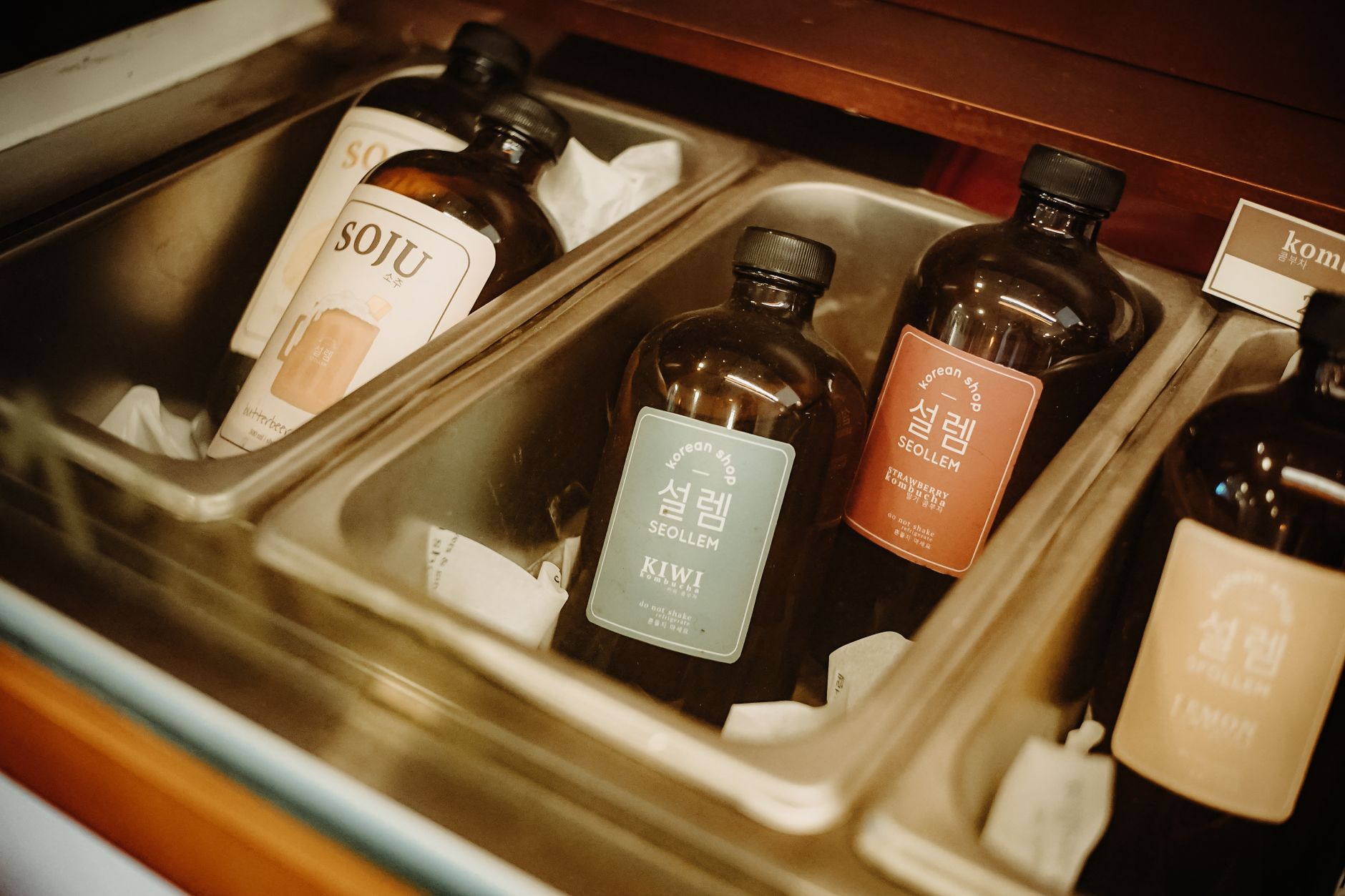
Soju, a popular Korean spirit made from grains or sweet potatoes, has gained international fame for its smooth taste and versatility in cocktails. With its rising popularity, you may find yourself wondering about the best way to store it, particularly whether it needs to be refrigerated. This article will delve into storage methods for soju, optimal serving temperatures, and tips for maintaining its quality.
Understanding how to properly store soju can enhance your enjoyment of this craft spirit. So, does soju need to be refrigerated? Let’s explore the facts surrounding its storage requirements and safety tips to ensure your soju remains delightful in every glass.
Does Soju Need to Be Refrigerated?
No, soju does not need to be refrigerated. Unlike many other spirits, such as vodka or whiskey, soju has a relatively lower alcohol content, typically between 16% and 25%, which allows it to be kept at room temperature without spoilage. However, chilling soju can enhance its drinkability and flavor profile.
Understanding Soju: Its Composition and Alcohol Content
Soju is primarily distilled from grains like barley or wheat and occasionally from tubers like sweet potatoes. This clear spirit is traditionally consumed straight but can also be used in a variety of cocktails due to its neutral flavor. The alcohol content in soju usually ranges between 16% and 25%, which is lower than that of most distilled spirits.
The lower alcohol content means that soju is less prone to oxidation and spoilage than spirits with higher alcohol content. This stability at room temperature makes it less critical to refrigerate after opening. Nevertheless, proper storage can ensure that the soju maintains its desired quality and taste.
Storage Recommendations for Soju
To ensure your soju stays fresh and flavorful, consider the following storage recommendations:
- Keep it Sealed: As with any alcoholic beverage, keeping the bottle sealed when not in use will prevent air from entering and affecting the liquid inside.
- Store in a Cool, Dark Place: A pantry or liquor cabinet away from sunlight and heat sources is ideal. Excessive light and heat can degrade the flavor and quality of your soju.
- Consider Refrigeration: While it is not necessary, chilling soju can enhance the drinking experience. Many enjoy soju served cold, especially if it’s paired with spicy or rich foods.
How to Serve Soju: Ideal Temperatures
While soju can be consumed at room temperature, serving it cold has become increasingly popular. If you decide to refrigerate your soju, aim for temperatures around 45°F to 50°F (7°C to 10°C). At this range, the spirit remains smooth, and the chill can help enhance the drinking experience.
Soju is often served in small shot glasses and consumed in social settings. It is traditional in Korea to pour drinks for others, a gesture of hospitality and respect. Keep this cultural element in mind when enjoying soju with friends or family!
Chilling Methods for Soju
If you prefer your soju chilled, there are several methods to achieve this quickly:
- Refrigeration: Simply store your soju in the fridge for a few hours before serving.
- Ice Bath: For a quicker chill, immerse the bottle in an ice bath for about 15-20 minutes.
- Chilled Glasses: Chilling your glasses can also enhance the drinking experience. Place them in the freezer for about 30 minutes before serving.
Common Soju Cocktails: Serving Suggestions
Soju’s versatility makes it an excellent base for various cocktails. Here are a few popular soju cocktails you might consider serving:
- Soju Limeade: A refreshing blend of soju, fresh lime juice, and soda water served over ice.
- Soju Mojito: Soju mixed with fresh mint leaves, lime, sugar, and soda water for a Korean twist on the classic mojito.
- Soju Sangria: A blend of fruit, red wine, and soju for an exciting take on traditional sangria.
Safety Tips When Drinking Soju
As with any alcoholic beverage, it’s essential to enjoy soju responsibly. Here are some safety tips to keep in mind:
- Know Your Limits: Understand your tolerance and drink in moderation. Soju can be deceptively smooth, leading some people to consume more than they realize.
- Stay Hydrated: Drink water alongside soju to stay hydrated and help mitigate potential hangover effects.
- Avoid Mixing with Excessive Sugar or Caffeine: Combinations of sugary mixers or caffeine with alcohol can mask the effects of alcohol, making it easier to overindulge.
Common Misconceptions About Soju
As soju continues to rise in popularity outside of Korea, several misconceptions have emerged. Here are a few to clarify:
- Soju Is a Rice Wine: Soju is a distilled spirit, whereas rice wine, such as sake, is brewed. They are fundamentally different in processing and alcohol content.
- All Soju is the Same: There are various types of soju with differing flavor profiles, sweetness levels, and alcohol content. Craft brands offer unique tastes that can enhance your experience.
- Soju Should Always Be Served Cold: While many prefer cold soju, it can be enjoyed at room temperature, especially when paired with certain foods that benefit from a warmer serving temperature.
Using Soju in Cooking: Flavor and Ingredients
Soju is not just for drinking! Its unique flavor can also be a great addition to cooking. Here are some popular ways to incorporate soju into your culinary creations:
- Marinades: Soju can enhance the flavors of marinades, particularly for meats and seafood. Its mild flavor balances spices and acids in marinades.
- Soups and Stews: Add a splash of soju to soups or stews for an added depth of flavor.
- Glazes: Mix soju with soy sauce and sweeteners to create a delicious glaze for grilled meats or vegetables.
Practical Substitutions for Soju
If you find yourself without soju, there are several substitutes to consider, though each will lend a different flavor profile:
- Soju Alternatives: Look for other low-alcohol spirits like sake or soju-flavored liqueurs. Their flavor will be different but can still offer a similar drinking experience.
- Vodka: Though more potent, vodka can be used in cocktails that call for soju, bearing in mind that the overall flavor may be altered.
- White Wine: In cooking, a dry white wine can replace soju, especially in marinades and glazes, providing acidity and flavor.
Common Mistakes When Storing Soju
While soju storage may seem straightforward, there are a few common pitfalls that can affect its quality:
- Storing in Warm Areas: Keeping soju near heat sources can deteriorate its flavor. Always choose a cool, dark space.
- Leaving the Bottle Open: Exposure to air can gradually diminish the flavor and quality of your soju. Ensure bottles are tightly sealed after pouring.
- Overchilling: While enjoying cold soju is common, freezing it is not advisable, as it can alter the texture and flavor.
When to Dispose of Soju
Although soju has a long shelf life, there are signs that indicate it might be time to dispose of your bottle:
- Unpleasant Odor: A sour or off smell may indicate spoilage or contamination. Trust your senses.
- Strange Color or Sediment: Any change in color or the presence of floating particles can signal that the spirit is no longer safe to consume.
- Expired Use By Date: While many spirits can last indefinitely, if there is a ‘best by’ or ‘use by’ date, consider adhering to it.
Conclusion
Soju is a versatile and enjoyable spirit that can be stored easily without the need for refrigeration, provided you keep it sealed and in a cool, dark environment. Whether served straight, chilled, or incorporated into your cooking, understanding its proper storage and serving techniques will enhance your appreciation for this delightful drink. Enjoy responsibly and explore the many flavors and uses of soju!
For more food storage tips, check out our guides on whether ghee needs to be refrigerated and if you need to refrigerate Cholula.