
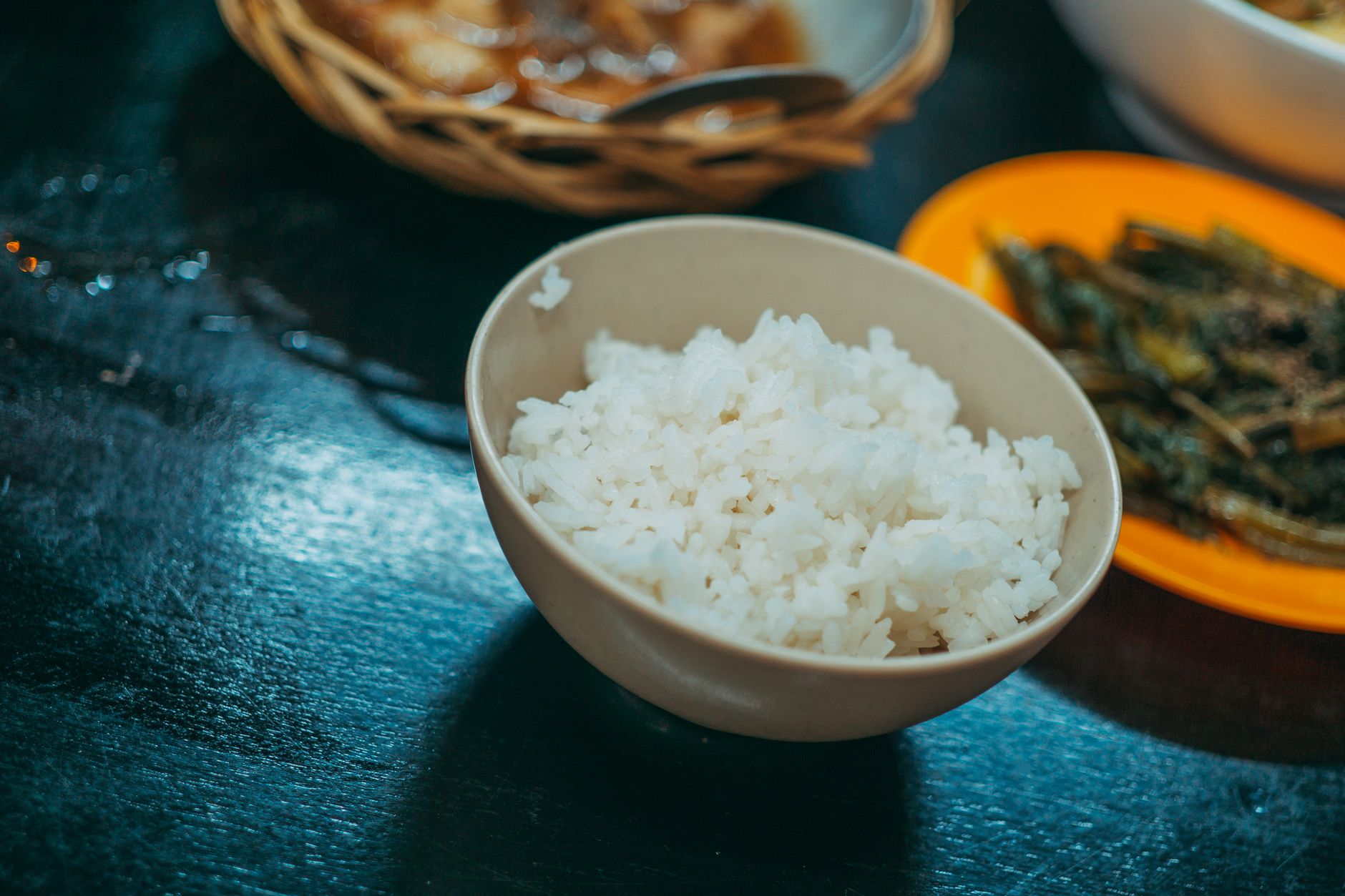
Rice is a staple food for over half the world’s population, but many wonder about its nutritional value, particularly its protein content. Understanding whether rice has protein and how much it contains can help you make informed dietary choices.
This article explores the protein content of various types of rice, serving sizes, and how rice fits into a balanced diet.
Does Rice Have Protein in It?
Yes, rice does contain protein, but the amount varies by type. Typically, rice is not considered a high-protein food compared to other grains or protein sources. For example, a standard serving of cooked rice contains about 4 grams of protein. However, this can vary depending on whether the rice is white, brown, jasmine, or other varieties.
Understanding Protein in Rice
To grasp the nutritional implications of rice, it’s essential to understand what protein is and why it’s important. Protein is one of the three macronutrients essential for growth, repair, and the proper functioning of the body. It is made up of amino acids, some of which are essential and must be obtained from food.
Rice, while it provides some protein, is not a complete protein source as it lacks sufficient amounts of certain essential amino acids, particularly lysine. This means that while rice can be part of a protein-rich diet, it should be consumed alongside other protein sources to ensure a well-rounded intake of amino acids.
Types of Rice and Their Protein Content
The following sections detail various types of rice and their protein content per cooked cup (approximately 158 grams). Additionally, the serving sizes will provide you a clearer insight into how rice can contribute to your daily protein needs.
White Rice
White rice is the most commonly consumed type around the world. It has been milled and polished, removing the bran and germ.
- Protein content: About 4 grams per 1 cup cooked
- Calories: Approximately 205
- Benefits: Quick cooking and digestible; often enriched with vitamins.
White rice can be a good energy source, but it generally provides lower protein content compared to other grains.
Brown Rice
Brown rice is a whole grain; only the outermost layer (the husk) is removed, retaining nutrients and fiber.
- Protein content: About 5 grams per 1 cup cooked
- Calories: Approximately 218
- Benefits: Higher in fiber and nutrients compared to white rice.
The additional fiber can help with digestion, making brown rice a more filling option.
Jasmine Rice
Jasmine rice is a fragrant long-grain rice commonly used in Southeast Asian cuisine.
- Protein content: About 4 grams per 1 cup cooked
- Calories: Approximately 205
- Benefits: Delicious aroma and soft texture; pairs well with various dishes.
Basmati Rice
Basmati rice, known for its long grains and aromatic qualities, is popular in Indian and Middle Eastern cuisines.
- Protein content: About 4 grams per 1 cup cooked
- Calories: Approximately 205
- Benefits: Has a lower glycemic index compared to other rice types.
Wild Rice
Although not technically rice, wild rice is a seed from aquatic grasses and is often considered a whole grain.
- Protein content: About 6.5 grams per 1 cup cooked
- Calories: Approximately 166
- Benefits: High in antioxidants and fiber.
Wild rice is an excellent option for those seeking higher protein content.
Protein in Rice: Comparison with Other Foods
When evaluating rice as a protein source, it’s useful to compare its protein content to that of other common foods:
| Food Item | Protein Content (per 1 cup cooked) |
|---|---|
| Brown Rice | 5 grams |
| Quinoa | 8 grams |
| Lentils | 18 grams |
| Chickpeas | 14.5 grams |
| Black Beans | 15 grams |
As seen in the table, while rice does provide some protein, legumes and grains like quinoa and lentils offer significantly more protein per serving.
Incorporating Rice Into a Balanced Diet
While rice alone may not fulfill your daily protein requirements, it can enhance your meals when combined with higher protein foods. Here are some suggestions:
- Pair with Legumes: Combining rice with beans or lentils can create a complete protein, providing essential amino acids.
- Add Nuts or Seeds: Topping rice dishes with nuts or seeds boosts both protein and healthy fats.
- Incorporate Meat or Fish: Serve rice with chicken, beef, or fish for a protein-rich meal.
Meal Ideas that Incorporate Rice
Incorporating rice into your meals allows for diverse culinary experiences while maintaining reasonable protein intake. Here are some meal ideas:
- Stir-fries: Stir-fry vegetables and tofu or chicken and serve them over brown rice.
- Rice Bowls: Create a rice bowl with quinoa, corn, black beans, diced avocado, and a protein of your choice.
- Soups: Add cooked rice to soups for texture and heartiness, particularly in chicken or vegetable soups.
Tips for Cooking Rice
Cooking rice might seem simple, but it has its nuances. Here are some tips to ensure perfectly cooked rice:
- Rinse the Rice: Rinsing rice before cooking can remove excess starch and prevent it from becoming gummy.
- Use the Right Water Ratio: Different rice types require varying water ratios. Generally, use 2 cups of water for 1 cup of white rice and 2.5 cups for brown rice.
- Let it Rest: After cooking, let rice sit covered for 10 minutes to allow it to firm up and finish steaming.
Storage and Reheating Rice
Proper storage of rice is crucial for maintaining its quality and preventing foodborne illness.
- Refrigerate Cooked Rice: Store leftover cooked rice in an airtight container in the refrigerator for up to 3-4 days.
- Freeze Cooked Rice: Cooked rice can be frozen for up to six months for later use. Use freezer bags for easy portioning.
- Reheat Safely: Reheat rice to 165 degrees Fahrenheit to ensure safety, and add a splash of water before reheating to prevent drying out.
Common Mistakes When Cooking Rice
Even experienced cooks can make mistakes when cooking rice. Here are some common issues and how to troubleshoot them:
- Too Sticky: This often occurs from not rinsing the rice beforehand. Rinse rice thoroughly to remove excess starch.
- Burnt Rice: If the heat is too high during cooking, the rice can burn. Use medium heat and ensure the lid is fitted tightly.
- Undercooked Rice: If the rice is still hard, add more water and return it to the heat, covering it for additional steaming.
Final Thoughts
Rice does contain protein, but it is relatively low compared to other food sources. When used as a base or side, it can support a balanced meal, particularly when paired with other protein sources. By understanding the different types of rice and their protein content, you can better incorporate this staple into your diet.
For those interested in enhancing their protein intake, consider exploring recipes like protein cookies or protein granola to include more protein-rich foods in your meals.
Ready to explore related recipes? Discover how to make protein cookies or protein granola for delicious, healthy snacking options.