
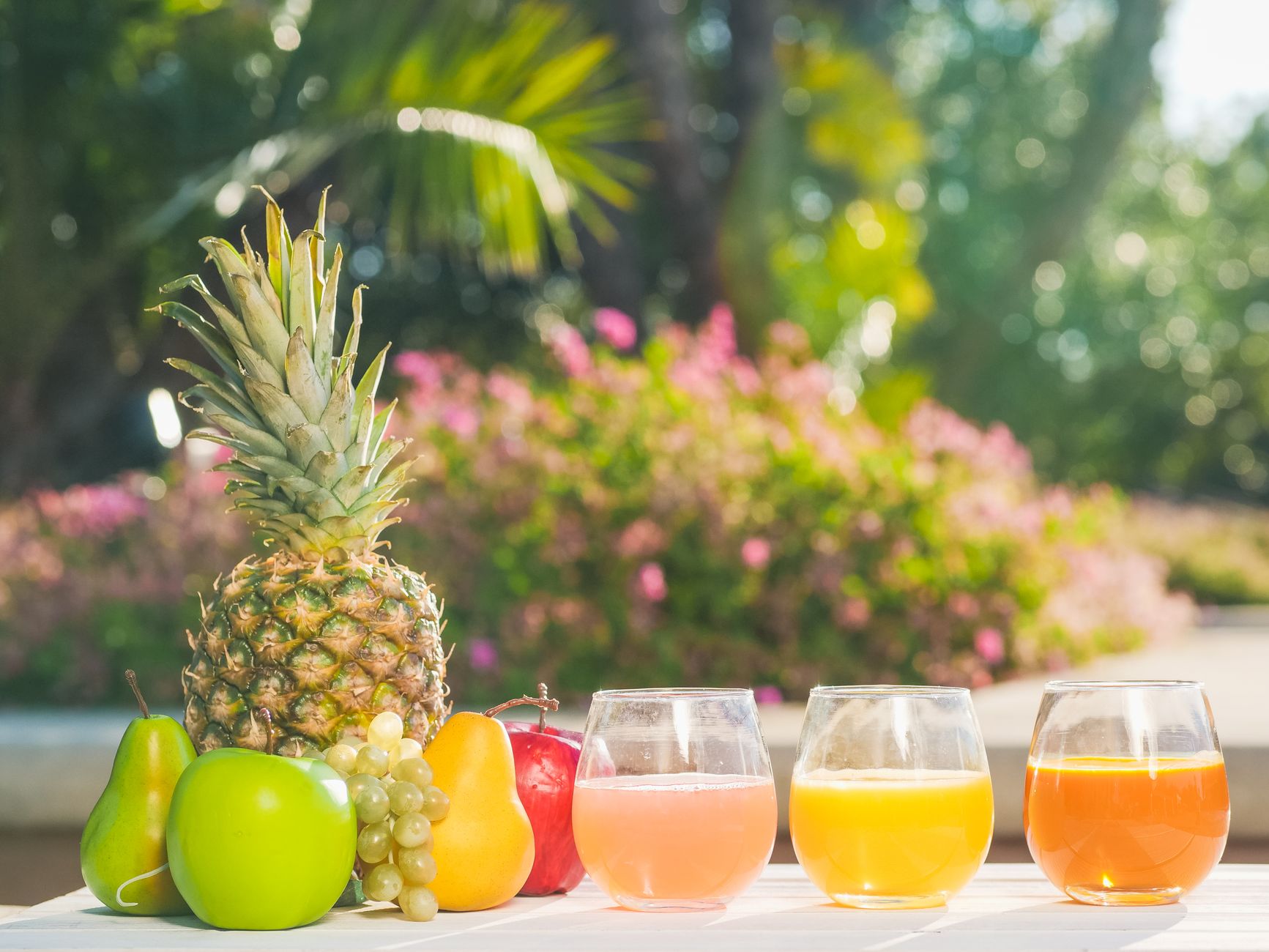
Pineapple juice is often touted for its tangy sweetness and refreshing flavor, but many people wonder if it has effects beyond taste—specifically, does it actually make you taste better? This article explores the scientifically-backed reasons behind this popular belief, its cultural significance, and practical ways to incorporate pineapple juice into your diet.
As an ingredient, pineapple juice is not only a flavorful addition to various dishes and drinks; it also contains enzymes and acids that may have an impact on taste. In this deep dive, we’ll examine what makes pineapple juice special and how you might leverage its potential benefits.
Does Pineapple Juice Actually Make You Taste Better?
The short answer is that pineapple juice may indeed influence how you taste to others, particularly when it comes to your natural body flavors. The sweet and acidic profile of pineapple juice is said to enhance natural sweetness and reduce bitterness. Pineapples contain enzymes like bromelain, which can act on proteins, possibly altering how your body smells and tastes.
This potential biochemical interaction has led many to believe that consuming pineapple juice can lead to a “sweeter” disposition in bodily fluids. While individual results can vary, the consensus suggests that pineapple juice does have some merit when it comes to enhancing taste.
Understanding The Chemistry of Taste
To better appreciate how pineapple juice could change your taste, it’s essential to understand the chemistry of flavor. Taste is primarily influenced by compounds that interact with our taste buds. The complex interaction of sugars, acids, and other compounds in pineapple juice may contribute to your overall flavor profile.
The main components of taste can be broken down into five categories: sweet, sour, bitter, salty, and umami. Pineapple juice is predominantly sweet and sour, thanks to its natural sugar content and citric acid. The sweetness may be perceived not just in your mouth but in your other bodily fluids as well.
Enzymatic Action of Pineapple Juice
Pineapple juice contains bromelain, a mix of enzymes that can digest proteins. This enzymatic action is important to consider because it could potentially affect how your body metabolizes food and your overall scent and taste. This enzymatic cocktail may lead to your body releasing different compounds, resulting in a different taste profile.
What Pineapple Juice Contains
Here are some key nutritional aspects of pineapple juice:
- Vitamin C: Supports immune function and skin health.
- Manganese: Important for metabolism and bone health.
- Bromelain: Aids in digestion and may have anti-inflammatory properties.
- Natural sugars: Provides energy while impacting taste.
When these elements combine, they can create a unique flavor profile that not only enhances what you eat and drink but may also interact with your body’s chemistry in ways that potentially improve your taste.
Incorporating Pineapple Juice Into Your Diet
If you’re interested in experimenting with pineapple juice for its potential taste-enhancing properties, here are several practical ways to incorporate it into your daily meals:
1. Smoothies
Pineapple juice makes a fantastic base for smoothies, adding sweetness and acidity together with a mix of fruits and vegetables.
2. Marinades
When used in marinades, pineapple juice can help tenderize meats due to its enzyme content. Consider trying it with chicken or pork for a sweet and tangy flavor.
3. Dressings
Add pineapple juice to homemade salad dressings for a fruity twist. Combine it with olive oil, vinegar, and seasonings for a refreshing dressing.
4. Desserts
Pineapple juice can also be used to add natural sweetness to desserts. From baked items like cakes to icy treats like sorbets, its versatile sweetness can enhance any recipe.
Cultural Perspectives on Pineapple Juice and Taste
Pineapple and its products hold significant value in many cultures around the world. In Hawaii, fresh pineapple juice is celebrated for its refreshing properties and is often associated with hospitality. Various Southeast Asian countries incorporate pineapple into savory and sweet dishes, recognizing its versatility.
This fruit’s cultural significance often extends beyond taste and nutrition; it also symbolizes warmth and friendship in many regions. However, the nuances of how it affects taste are relatively universal, as many cultures continue to experiment with pineapple juice in their culinary traditions.
Potential Risks and Considerations
While pineapple juice has several potential benefits, it’s essential to consider a few risks and individual differences:
1. Acidity
The high acidity of pineapple juice can be bothersome for people with certain digestive conditions, such as acid reflux. If you find that pineapple juice irritates your stomach, it may not be the right choice for you.
2. Sugar Content
Pineapple juice is relatively high in natural sugars. If you are monitoring your sugar intake, consider balancing your consumption of juice with whole fruits or diluting it with water.
3. Allergies
Though uncommon, some individuals may be allergic to pineapple or experience oral allergy symptoms. Always consult a healthcare provider if you are uncertain about how your body may react.
Common Recipes Featuring Pineapple Juice
To help you start your culinary adventure with pineapple juice, here are a few recipe ideas:
Pineapple Chicken Stir-Fry
This quick and easy dish combines chicken, vegetables, and pineapple juice for a vibrant meal.
- Yield: 4 servings
- Preparation Time: 10 minutes
- Cooking Time: 15 minutes
- Total Time: 25 minutes
Ingredients
- 1 lb boneless chicken breast, cut into bite-sized pieces
- 1 cup mixed bell peppers, sliced
- 1 cup broccoli florets
- 1/2 cup pineapple juice
- 2 tablespoons soy sauce
- 2 teaspoons olive oil
- Salt and pepper to taste
- Optional: cooked rice for serving
Method
- Heat olive oil in a wok or large skillet over medium-high heat.
- Add chicken and season with salt and pepper. Cook until browned, about 6-7 minutes.
- Add bell peppers and broccoli; stir-fry for an additional 3-4 minutes.
- Pour in pineapple juice and soy sauce, tossing to coat. Cook for another 3 minutes until the sauce thickens slightly.
- Serve over cooked rice if desired.
Pineapple Smoothie Bowl
This refreshing breakfast combines pineapple juice with yogurt and toppings for a colorful meal.
- Yield: 2 servings
- Preparation Time: 5 minutes
Ingredients
- 1 cup pineapple juice
- 1 banana, frozen
- 1/2 cup Greek yogurt
- Toppings: sliced fruit, granola, chia seeds, coconut flakes
Method
- In a blender, combine pineapple juice, banana, and Greek yogurt. Blend until smooth.
- Pour the mixture into bowls and add your desired toppings.
Final Thoughts
While the notion that pineapple juice can enhance how you taste to others is not scientifically guaranteed, there are compelling arguments regarding its sweetness, acidity, and enzymatic properties that merit exploration. Incorporating pineapple juice into your diet can offer a variety of culinary benefits and potentially make a flavorful difference in how you present yourself.
For those looking to experiment with new flavors and enhance their diet, pineapple juice is a versatile ingredient worth including in your meals. Whether in a smoothie, marinade, or dessert, its bright flavor can invigorate your cooking and contribute to the culinary joy.
For more delicious recipes or cooking tips, consider exploring chia pudding recipes with coconut milk or discovering what pineapple does for men. These resources will add value to your culinary journey.