
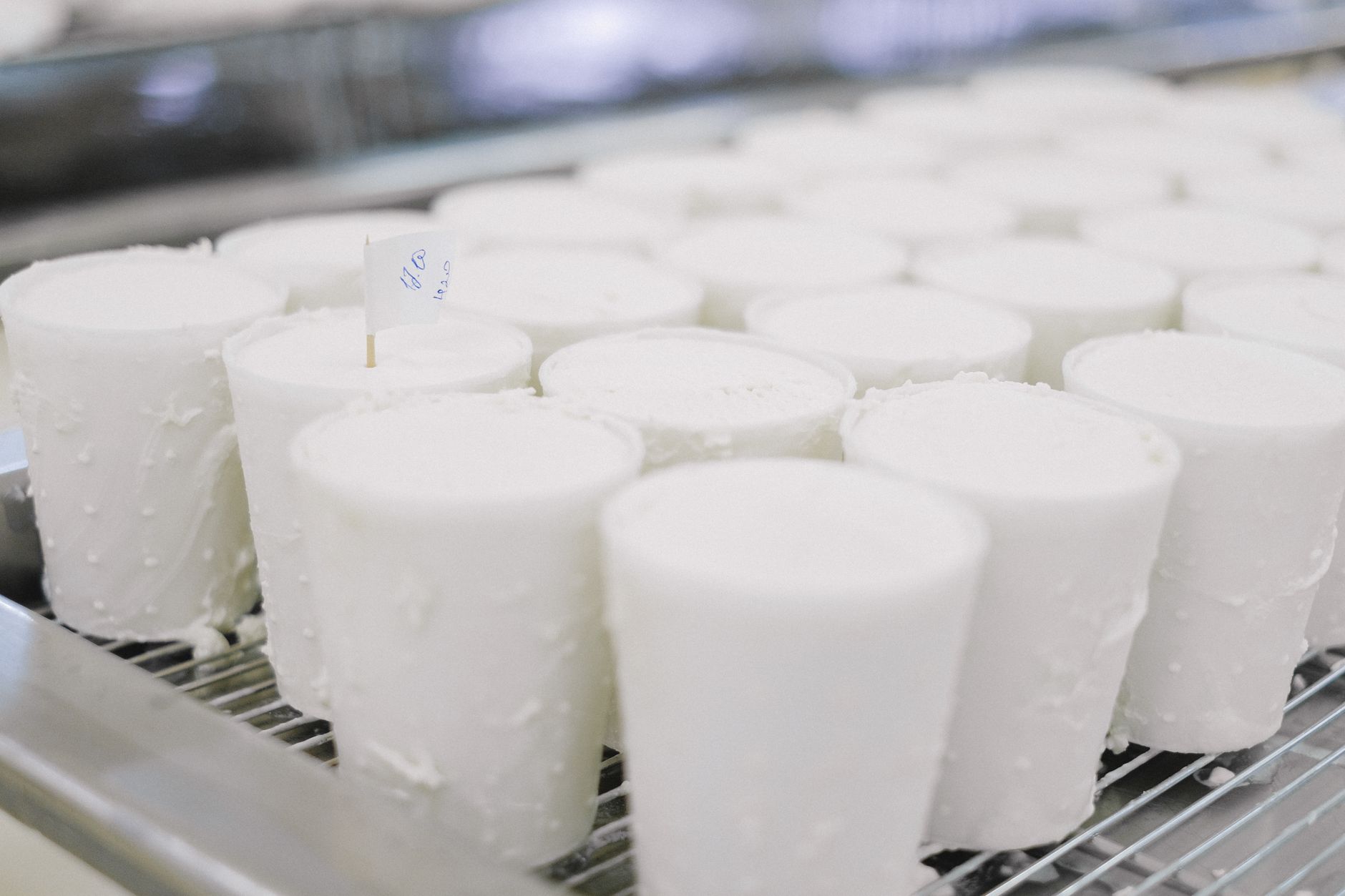
Pasteurization is a widely used food safety process that involves heating food and beverages to kill harmful bacteria and pathogens. However, a common concern is whether this method also destroys valuable nutrients in the food. Understanding how pasteurization affects nutrient content can help you make informed choices about your food and maintain a balanced diet.
This article delves into the specifics of pasteurization, its effects on nutrients, and how you can optimize your food preparation methods while ensuring safety. Let’s explore this important topic to clarify misconceptions and provide practical guidance.
Does Pasteurization Kill Nutrients?
Pasteurization can lead to some loss of nutrients, but the extent varies by food type and the duration of the heating process. While certain vitamins, particularly heat-sensitive ones like vitamin C and some B vitamins, may diminish, many nutrients remain intact or are unaffected. The trade-off of reduced nutrient levels is the significant benefit of killing harmful pathogens, making the food safe to consume.
What is Pasteurization?
Pasteurization is a thermal treatment process developed by Louis Pasteur in the 19th century, mainly to prevent spoilage and to ensure food safety. It typically involves heating food or liquids to a specific temperature for a designated period, followed by rapid cooling. This method is common in dairy products, juices, and canned goods.
Two primary forms of pasteurization exist: low-temperature long-time (LTLT) and high-temperature short-time (HTST). LTLT involves heating at lower temperatures for longer periods, while HTST utilizes higher temperatures for shorter periods. Both aim to reduce microbial load while preserving a significant amount of the product’s natural qualities.
Nutrient Content in Pasteurized Foods
The impact of pasteurization on nutrient content can differ significantly between food types. Here’s a closer look at how it affects various nutrients:
Vitamins
- Vitamin C: This water-soluble vitamin is sensitive to heat, and studies show that pasteurization can reduce its content by 10–30%, depending on the process used.
- B Vitamins: Similar to vitamin C, some B vitamins, including B1 (thiamine) and B2 (riboflavin), may experience a reduction during pasteurization. The extent varies but remains relatively minor compared to the health benefits gained.
- Fat-Soluble Vitamins: Vitamins A, D, E, and K are generally more stable during heat treatment. Their levels are less likely to be significantly affected by pasteurization.
Minerals
Minerals such as calcium, magnesium, and potassium are generally stable during pasteurization. They are less influenced by heat, which means pasteurized foods often retain their mineral content effectively.
Proteins
Pasteurization can denature proteins, altering their structure but not their nutritional value. While this may affect texture, it does not render proteins useless; they still provide essential amino acids upon consumption.
Factors Affecting Nutrient Loss During Pasteurization
Several factors influence the extent of nutrient loss in pasteurized foods:
- Temperature: Higher temperatures can lead to greater nutrient degradation, particularly of sensitive vitamins.
- Time: Longer heating times can also compromise nutrient integrity. High-temperature short-time processes are typically employed to limit this effect.
- Food Type: Different foods react differently to pasteurization. For example, fruit juices may lose more nutrients than milk.
- pH Level: Foods with lower pH (more acidic) tend to suffer less nutrient loss than those with higher pH (less acidic).
Balancing Safety and Nutrition
When it comes to food, ensuring safety is paramount. Pasteurization greatly reduces the risk of foodborne illnesses, especially in products like milk, eggs, and juices where microbial contamination is a massive concern. However, there are steps you can take to preserve nutrient integrity while prioritizing safety:
- Choose minimally processed foods: Opt for pasteurized products that are minimally processed to retain as many nutrients as possible.
- Select LTLT methods: If you have control over the pasteurization process, using low-temperature methods may help retain more nutrients.
- Incorporate raw counterparts: Use raw or lightly cooked versions of food when possible to ensure maximum nutrient intake, provided they are safe to consume.
- Combine with fresh ingredients: Add fresh fruits and vegetables to cooked meals to enhance nutritional value.
Practical Tips for Maintaining Nutritional Value
Here are additional practical tips to maintain nutrients in food while still ensuring safety through pasteurization:
1. Avoid Overcooking
Cooking for extended periods can destroy precious nutrients. Use shorter cooking times at appropriate temperatures to retain more of the food’s natural goodness.
2. Steaming Instead of Boiling
Steaming retains more nutrients compared to boiling, which can help avoid nutrient leaching into cooking water. Consider steaming vegetables to maintain color, texture, and nutritional content.
3. Use Efficient Cooking Methods
Methods like stir-frying or microwaving can help preserve the nutrients by reducing cooking time. These techniques allow for speedy cooking at high temperatures.
4. Store Properly
Improper storage can further degrade nutrient levels. Store pasteurized products in a cool, dark place and refrigerate after opening to maximize shelf life and nutrient retention.
5. Consume Foods Soon After Purchase
Ideally, consume pasteurized items as soon as possible after purchase to minimize nutrient degradation that can occur over time.
Common Myths About Pasteurization and Nutrients
Several myths surround the topic of pasteurization and nutrient content. Here are some misconceptions debunked:
Myth 1: Pasteurization Destroys All Nutrients
This is simply not true. While some loss does occur, many nutrients remain intact. In most cases, the health benefits of pasteurization outweigh concerns regarding nutrient loss.
Myth 2: All Processed Foods Are Inferior
While some processed foods may lose nutrients, many pasteurized foods provide essential nutrients, are safe to consume, and can be part of a healthy balanced diet.
Myth 3: You Can’t Substitute Pasteurized Foods With Raw
Raw foods can be nutritious; however, safety is crucial. If opting for raw foods, ensure they are sourced from reputable suppliers and minimize risk.
Incorporating Pasteurized Foods into Your Diet
To maximize the benefits of pasteurized foods while minimizing potential nutrient loss, consider these practical suggestions for incorporating these items into your diet:
1. Make Smoothies
Blend pasteurized fruit juices with fresh fruits and vegetables to create nutrient-dense smoothies that are both delicious and safe.
2. Use in Cooking
Incorporate pasteurized dairy products like milk or cheese in recipes to add creamy textures and flavors while benefiting from their nutrients.
3. Balance with Whole Foods
Make meals with both pasteurized and fresh items to ensure a diverse nutrient profile. Pair pasteurized items with nuts, seeds, grains, and legumes.
Common Questions About Pasteurization and Nutrients
1. Is it safe to consume pasteurized milk daily?
Yes, pasteurized milk is safe to drink daily, providing a good source of calcium and vitamins while minimizing the risk of pathogens.
2. What’s the difference between pasteurization and sterilization?
Pasteurization uses lower temperatures to Kill most bacteria, while sterilization eliminates all microorganisms, extending shelf life more significantly.
3. How can I tell if a juice or milk is pasteurized?
Look for labels indicating “pasteurized” on the packaging. Most commercial juices and dairy products are pasteurized for safety.
Conclusion
While pasteurization can lead to the loss of some heat-sensitive nutrients, it plays a critical role in ensuring food safety. The benefits of reducing pathogenic risk generally outweigh the downsides of minimal nutrient loss. To maintain a balanced and nutritious diet, choose quality pasteurized products wisely, incorporate them alongside fresh foods, and employ cooking methods that preserve nutritional integrity.
Explore more about the benefits of chia seeds, including their nutritional, health-boosting qualities at what are the benefits of chia seeds, and learn how long to soak chia seeds for optimal use at how long should chia seeds soak.