
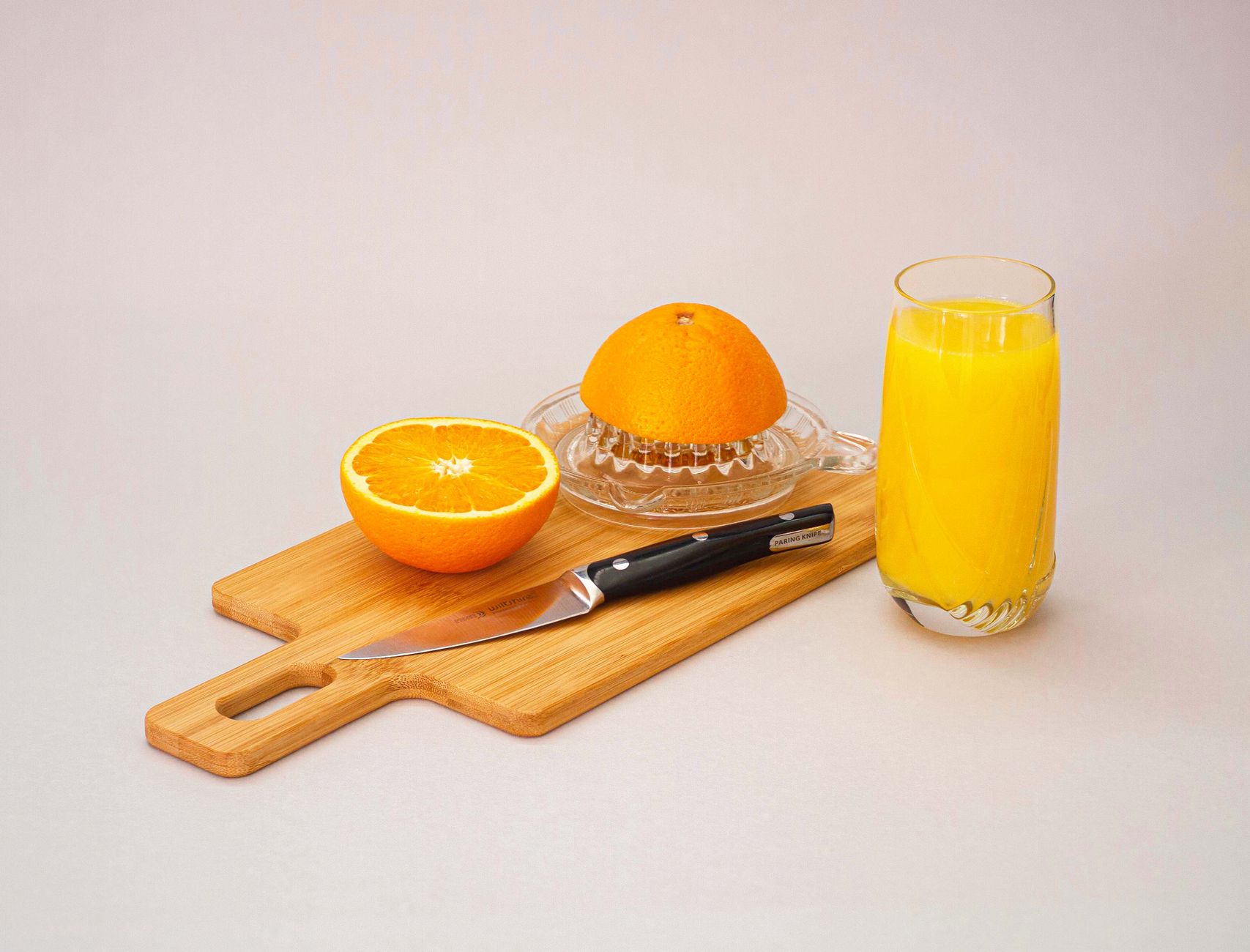
Choosing between concentrate or not from concentrate can significantly impact your cooking and beverage experience. Whether you’re preparing dishes or mixing drinks, understanding the difference ensures you select the best option for your needs and taste preferences.
This guide explores the distinctions, advantages, and drawbacks of both concentrates and not-from-concentrate products, providing you with the information needed to make informed decisions for your kitchen.
Concentrate or Not from Concentrate: Which Is Better?
The choice between concentrate and not from concentrate typically depends on flavor, usage, and nutritional aspects. Concentrates often offer a more potent flavor and longer shelf life, while not-from-concentrate options can deliver a fresher taste, depending on the ingredient. Understanding these factors will help you choose wisely based on your culinary needs.
What is Concentrate?
Concentrate refers to a product from which a significant portion of the liquid has been removed, intensifying the flavor and nutrients. This process is common in fruit juices, sauces, and dairy products. Concentrates often have a longer shelf life, which can be advantageous for storage.
What is Not from Concentrate?
Not from concentrate means the product is processed without water removal, making it closer to its natural state. This results in a fresher taste, as it retains more of its original flavors and nutrients. Common products labeled as not from concentrate include fresh juices, sauces made with whole tomatoes, and many dairy products.
Flavor Comparison
The flavor profiles of concentrates and not from concentrate products can vary widely. Here are some key points:
- Concentrate: Concentrates often have a strong, intense flavor. This can be desirable in prepared sauces and desserts where a punch of taste is needed.
- Not from Concentrate: These products frequently have a lighter, fresher taste that may express subtle flavor notes. This can be preferred in dishes where the primary ingredient’s flavor should shine.
Nutritional Aspects
Nutritional value can also differ between these two types:
- Concentrate: The concentration process may lead to a reduction in some nutrients, particularly if the cooking process involves high temperatures. However, some concentrates are fortified to ensure they retain essential vitamins and minerals.
- Not from Concentrate: Generally retains more nutrients, as the processing usually involves less heat and fewer additives. However, this can vary by brand and preparation method.
Practical Uses
Understanding practical uses can help in selecting the right product for specific recipes:
- Beverages: Concentrate is often used for juices, where the taste can be intense and needs dilution with water. Not from concentrate juices can be enjoyed as is.
- Cooking: Concentrates are convenient for sauces, broths, and marinades when robust flavors are desired. Not from concentrate options might be better when a recipe calls for fresh ingredients.
Cost Comparison
Price plays a role in many purchasing decisions:
- Concentrate: Often less expensive due to reduced transport costs and longer shelf life. This might appeal to budget-conscious buyers.
- Not from Concentrate: Tends to be more expensive because of the higher quality and freshness associated with the product.
Storage and Shelf Life
Understanding how to store these products can ensure quality over time:
- Concentrate: Can be stored in a cool, dry place, and opened packages should be refrigerated. They often have a longer shelf life.
- Not from Concentrate: Typically needs to be consumed more quickly after opening and may require refrigeration. Their shelf life is shorter than concentrates.
Consumer Preferences
When selecting between these two types, personal taste plays a major role. Many consumers prefer the taste of not-from-concentrate options for lighter, fresh dishes, while others appreciate the intensive flavors of concentrates that allow for versatility and stronger flavors.
Common Misconceptions
There are several misconceptions about concentrates and not from concentrate products:
- Concentrates are always unhealthy: While some concentrates may have added sugars or preservatives, many are nutrient-rich and can be part of a balanced diet.
- Not from concentrate is always better: While not from concentrate often tastes fresher, this can depend on the quality of the source fruit or ingredient.
Common Uses for Concentrates and Not from Concentrate
Both concentrates and not from concentrates have dedicated uses across different culinary applications:
Concentrate Uses
- Fruit Juices: Concentrated lemon or orange juice can add flavor to beverages and desserts.
- Soups and Sauces: Tomato paste is a common concentrate that enhances the flavor in many dishes.
- Frozen Concentrates: Commonly found in frozen drink mixes, perfect for quick beverage preparation.
Not from Concentrate Uses
- Fresh Juices: Cold-pressed juices retaining natural flavors and vitamins.
- Sauces: Whole tomatoes or fresh basil can provide richer flavors in sauces destined for pasta or pizza.
- Desserts: Fresh fruits such as strawberries or apples used in baking provide better texture and taste.
How to Make the Choice
To decide which product is best for your kitchen, consider the following questions:
- What is the intended use of the product? (e.g., beverages, cooking, desserts)
- What flavor profile are you aiming for?
- Are you prioritizing budget, or do you want premium freshness?
Recipes: Using Concentrate and Not from Concentrate
Understanding how to use both types in recipes solidifies your choice:
Refreshing Lemonade from Concentrate
This quick and easy lemonade recipe utilizes concentrate, ideal for hot summer days, serving about 4 people.
Ingredients:
- 1 cup lemon juice concentrate
- 4 cups water
- 1 cup sugar (adjust to taste)
- Ice cubes
Method:
- In a large pitcher, combine lemon juice concentrate and sugar.
- Add water and stir well until sugar is dissolved.
- Serve over ice and garnish with lemon slices.
Hearty Tomato Sauce from Not from Concentrate
This recipe utilizes fresh tomatoes for a vibrant sauce, suitable for pasta, and serves about 4 people.
Ingredients:
- 2 lbs fresh tomatoes, chopped
- 2 cloves garlic, minced
- 1 onion, chopped
- 2 tablespoons olive oil
- Salt and pepper to taste
- Fresh basil for garnish
Method:
- Heat olive oil in a large pan; sauté onions and garlic until translucent.
- Add chopped tomatoes, salt, and pepper. Let simmer for 30 minutes.
- Blend to desired consistency and top with fresh basil before serving.
Conclusion
The choice between concentrate and not from concentrate boils down to personal preference, culinary applications, and even budgetary considerations. While concentrates may offer intensity and convenience, not from concentrate products provide freshness and nutritional benefits. Assess your needs, practical uses, and flavor goals to make the right decision for your cooking creations.
If you’re looking to expand your culinary repertoire, check out our chai concentrate recipe or explore the delightful mango sago recipe for refreshing drinks and desserts.