
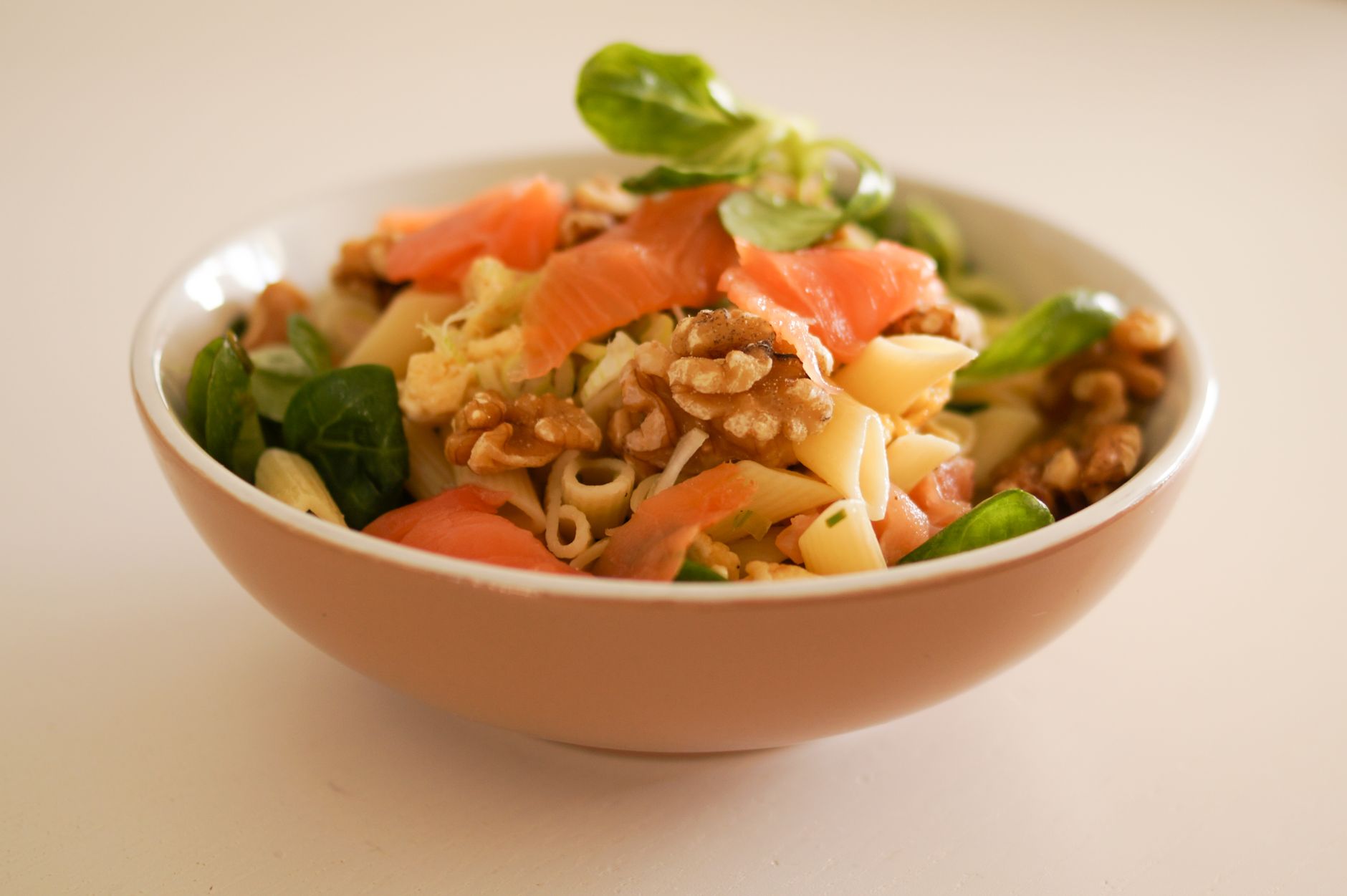
Pasta is a beloved staple in many kitchens around the world, often serving as the foundation for a variety of dishes. However, one frequently asked question concerns its nutritional profile, specifically regarding protein content. Understanding whether pasta contains protein is crucial for meal planning, especially for those adhering to specific dietary requirements.
This article will delve into the protein content found in different types of pasta, examine the nutritional facts, and provide insights on serving sizes and preparation methods. Whether you are trying to meet your protein needs or simply want to make informed choices, this guide will help you better understand the role of pasta in your diet.
Does Pasta Have Protein?
Yes, pasta does contain protein, though the amount varies depending on the type of pasta. Traditional wheat pasta typically contains around 7-15 grams of protein per 100 grams when cooked. However, some alternatives, like whole grain or legume-based pastas, can offer higher protein content, making them a great option for those looking to increase their protein intake.
The Protein Content in Different Types of Pasta
To understand how different types of pasta stack up in terms of protein, it’s important to look at specific varieties. Below is a breakdown of common pasta types along with their average protein content.
- Regular Semolina Pasta: Typically, this type of pasta contains about 5-7 grams of protein per 100 grams when cooked. It’s commonly made from durum wheat.
- Whole Wheat Pasta: With a higher protein content, whole wheat pasta contains about 10-15 grams of protein per 100 grams when cooked. It also offers additional fiber and nutrients.
- Legume-Based Pasta: Made from lentils, chickpeas, or black beans, this variety offers around 20-25 grams of protein per 100 grams when cooked. It’s an excellent choice for increasing protein consumption in vegetarian and vegan diets.
- Gluten-Free Pasta: Generally made from rice or corn, gluten-free pasta contains about 5-7 grams of protein per 100 grams when cooked. Its protein content may vary based on the blend of ingredients.
- Egg Noodles: These contain about 12-15 grams of protein per 100 grams when cooked, thanks to the added eggs, which enhance both flavor and nutrition.
How Cooking Method Affects Protein Content
The cooking method can also affect the nutritional profile of pasta, particularly its protein content. Boiling pasta is the most common preparation method, and while it doesn’t significantly alter protein levels, factors such as cooking time and water absorption can influence how dense the pasta becomes. Overcooking can lead to a mushy texture and may indirectly affect how we perceive its nutritional value.
Nutritional Profile of Pasta
In addition to protein, pasta typically contains carbohydrates, fats, vitamins, and minerals. Below is a more comprehensive look at the nutritional profile of a standard serving of traditional semolina pasta versus whole wheat and legume-based options.
| Nutrient | Semolina Pasta (per 100g cooked) | Whole Wheat Pasta (per 100g cooked) | Legume-Based Pasta (per 100g cooked) |
|---|---|---|---|
| Calories | 150 | 174 | 180 |
| Protein | 5-7g | 10-15g | 20-25g |
| Carbohydrates | 31g | 36g | 29g |
| Fiber | 2g | 6g | 7g |
| Fat | 1g | 2g | 3g |
Portion Sizes and Serving Suggestions
Determining the right portion size for pasta can help you manage your protein intake effectively. A standard serving of cooked pasta is about 1 cup, which typically weighs around 140-200 grams. Depending on personal diet, preferences, and activity levels, here’s a general guideline on how to serve pasta:
- For a main dish: Aim for 1-2 cups cooked pasta. Add protein toppings such as grilled chicken, shrimp, or beans to enhance the meal.
- For a side dish: Serve about ½ to 1 cup of cooked pasta tossed with vegetables or sauces.
- For meal prep: Consider preparing 2-3 cups of pasta at once, then divide into portions with a protein source and vegetables for balanced meals throughout the week.
Enhancing Pasta’s Protein Content
If you’re looking to increase the protein content of your pasta dish, consider the following strategies:
- Add protein sources directly to the dish, such as grilled chicken, beef, tofu, or legumes (like beans or lentils).
- Incorporate dairy products, such as cheese, yogurt, or cream sauces, to add protein while adding creaminess.
- Mix pasta with a protein-rich sauce, like pesto made with nuts or seeds, or a bolognese made with ground meat.
- Serve pasta alongside high-protein green vegetables like broccoli, spinach, and peas, which enhances both nutrition and flavor.
Common Misconceptions About Pasta
There are several misconceptions about pasta, especially regarding its nutritional value. Let’s clear up a few popular myths:
- Pasta is not just carbs: While pasta is high in carbohydrates, it does contain significant amounts of protein, particularly if you choose whole grain or legume-based options.
- All pasta is the same: Different types of pasta can have vastly different nutritional profiles. Understanding what you choose is essential.
- Pasta should be avoided for a healthy diet: When balanced with vegetables and protein, pasta can be part of a healthy, nutritious diet.
The Role of Pasta in Meal Planning
Pasta can be a versatile ingredient in your meal planning, serving as a base for numerous meals. Here are some tips for incorporating pasta into your weekly menu while considering protein intake:
- Meal Prep: Prepare different types of pasta at once, such as whole grain, semolina, and legume-based, and store them in the refrigerator. This allows you to mix and match easily throughout the week.
- Balance Your Plate: Pair pasta with a variety of proteins (chicken, fish, beans) and plenty of vegetables to ensure a balanced meal.
- Flavors and Textures: Experiment with various sauces and toppings to keep meals interesting. Try options like marinara, Alfredo, or a light olive oil dressing.
Practical Cooking Techniques
How you prepare your pasta can impact its overall taste and nutritional value. Here are some essential cooking techniques:
Boiling Pasta
The traditional method of cooking pasta involves boiling it. Here’s a simple technique:
- Bring a large pot of salted water to a rolling boil.
- Add pasta and stir to prevent sticking.
- Cook according to package instructions, typically 8-12 minutes, until al dente.
- Reserve a cup of pasta water for thinning sauces as needed.
- Drain pasta and toss with your desired sauce or ingredients immediately.
Stir-Frying Pasta
Stir-frying is another method that’s great for incorporating pasta with vegetables and proteins.
- Cook your pasta in boiling water until al dente, then drain.
- Heat oil in a large pan or wok over medium-high heat, adding vegetables and proteins.
- Add the drained pasta to the pan and toss everything together, adding sauces or seasonings as desired.
Baking Pasta Dishes
Baked pasta dishes such as lasagna can be a comforting and fulfilling meal:
- Preheat the oven to 375°F (190°C).
- Prepare your layered dish, combining cooked pasta with protein, sauce, and cheese.
- Bake for 25-30 minutes until heated through and golden on top.
Storage and Reheating Tips
Proper storage of cooked pasta is crucial to maintain its texture and safety. Here are some best practices:
- Cool cooked pasta to room temperature before storing it in an airtight container.
- Refrigerate within two hours of cooking and consume within 3-5 days.
- To reheat, use the stovetop with a little water or olive oil to keep it from drying out, or microwave it with a damp paper towel.
Final Thoughts on Pasta and Protein
Understanding the protein content in pasta and the various types available allows you to make informed choices. Whether you are looking for a carb source or a protein accent, pasta is adaptable, tasty, and nutritious when paired with the right ingredients. Increase its protein content by choosing whole grain or legume-based pasta and incorporating proteins into your meals.
Next time you’re planning your meals, consider the versatility of pasta and how it can fit into a balanced diet. For more insights into pasta and its uses, explore what pasta is made of at this resource. If you’re interested in kitchen equipment that will streamline your cooking process, take a look at what a jelly roll pan can do at this guide.