
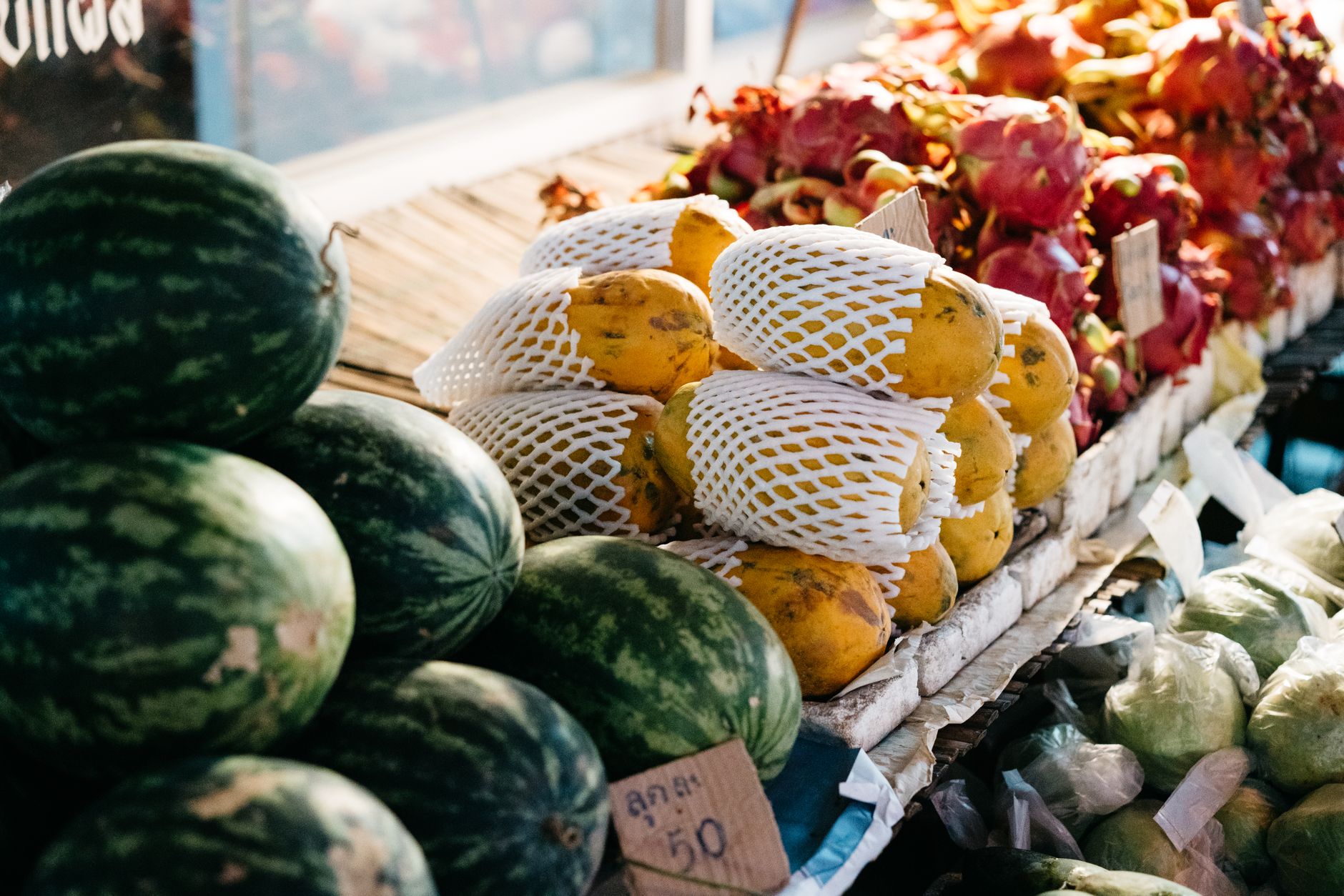
Papaya is a tropical fruit known for its sweet flavor, vibrant color, and numerous health benefits. It’s often celebrated as a nutritious option for a balanced diet. One key nutrient that many people seek to understand when considering fruits like papaya is potassium.
In this article, we will explore whether papaya contains potassium, the amounts commonly found in this fruit, the nutritional benefits of potassium, and practical ways to incorporate papaya into your meals.
Does Papaya Have Potassium?
Yes, papaya does contain potassium. A single medium-sized papaya (about 300 grams) provides around 360 to 400 milligrams of potassium. This makes it a good fruit choice for those looking to increase their potassium intake.
Understanding Potassium and Its Benefits
Potassium is an essential mineral that plays a vital role in various bodily functions. It helps regulate fluid balance, muscle contractions, and nerve signals. A diet rich in potassium can help lower blood pressure and reduce the risk of cardiovascular diseases.
Here are some key benefits of potassium:
- Blood Pressure Regulation: High potassium intake is linked to lower blood pressure levels.
- Muscle Function: Potassium is essential for muscle contractions and general physical performance.
- Nerve Function: It aids communication between nerves and muscles, facilitating bodily movements.
- Fluid Balance: Potassium helps maintain fluid balance by countering the effects of sodium.
- Bone Health: Adequate potassium intake may contribute to bone density and strength.
Potassium Content in Papaya
As noted, a medium papaya contains approximately 360 to 400 milligrams of potassium. To give you a clearer idea, let’s compare this with some other fruits:
- Banana: Approximately 422 milligrams per medium banana.
- Avocado: About 485 milligrams per half avocado.
- Oranges: Roughly 237 milligrams per medium orange.
This comparison shows that while papaya is not the fruit highest in potassium, it is still an excellent source of this important nutrient. Including a variety of potassium-rich foods in your diet, such as papaya, can help you meet your daily intake goals.
How Much Potassium Do You Need Daily?
The daily recommended intake of potassium for adults is about 2,500 to 3,000 milligrams, depending on factors like age and gender. Most individuals can meet these requirements through a balanced diet rich in fruits, vegetables, legumes, and whole grains.
Incorporating Papaya into Your Diet
Adding papaya to your diet can be a delicious and nutritious way to increase your potassium intake. Here are a few practical ideas for including papaya in your meals:
1. Fresh Papaya Salad
A fresh papaya salad can be a refreshing dish. Combine diced papaya with cucumbers, tomatoes, onion, and a light dressing of lime juice, salt, and pepper. This vibrant salad can be served as a side or a light meal.
2. Smoothies
Papaya blends well in smoothies. Combine papaya with spinach, banana, yogurt, and a splash of orange juice for a nutrient-packed drink. This flavorful smoothie is a perfect breakfast or snack option.
3. Salsas
Papaya can also be used in salsas. Combine diced papaya with red onion, cilantro, lime juice, and jalapeños for a sweet and spicy condiment that pairs well with grilled meats or chips.
4. Desserts
For a healthy dessert, consider papaya parfaits. Layer papaya chunks with Greek yogurt and a sprinkle of granola for a nutritious treat.
5. Papaya in Savory Dishes
Consider adding papaya to savory dishes, such as stir-fries or curries, where its sweetness can balance spicy or savory flavors.
Substitutions and Variations
If fresh papaya is unavailable, consider these substitutions:
- Mango: Sweet and tropical, mango can replace papaya in smoothies or salads.
- Peach: Fresh peaches can work to contribute a similar texture and sweetness.
- Guava: Guava can serve as another tropical fruit option, though it has a different flavor profile.
Storage and Handling
To enjoy papaya at its best:
- Ripening: If your papaya is not ripe, store it at room temperature until it yields gently to pressure. Once ripe, you can refrigerate it to extend its freshness.
- Cut Papaya: Store any cut papaya in an airtight container in the refrigerator, where it should last for a few days.
- Freezing: Papaya can also be frozen. Cut it into cubes and store in a freezer-safe bag for smoothies or cooking purposes.
Common Mistakes When Preparing Papaya
When working with papaya, some common mistakes to avoid include:
- Unripe Fruit: Using papaya that is not ripe yet can result in an unpleasantly firm texture and bitter taste.
- Overripe Fruit: Conversely, an overly ripe papaya can become mushy. Check for ripeness by gently pressing the skin.
- Seed Disposal: Many people discard the seeds, but they are edible and can be used in various ways, such as seasoning. They have a peppery flavor, similar to black pepper.
Nutritional Considerations
While papaya is a nutritious fruit rich in vitamin C, folate, and antioxidants, it’s essential to consider portion sizes as part of a balanced diet. The potassium content can be beneficial, but those with kidney issues should consult with a healthcare provider regarding their potassium intake.
FAQs About Papaya and Potassium
1. Can papaya help lower blood pressure?
Due to its potassium content, papaya may contribute to blood pressure regulation as part of a balanced diet rich in fruits and vegetables.
2. Is there a recommended portion size for papaya?
A serving of papaya is typically considered one cup of diced fruit, which can provide a significant amount of potassium and other nutrients.
3. Are papaya seeds safe to eat?
Yes, papaya seeds are edible and safe to consume in moderation. They can add a unique flavor to dishes.
Conclusion
Papaya is a flavorful fruit that offers a good source of potassium, alongside other vital nutrients. Incorporating this tropical delight into your diet can help you enjoy its many health benefits while enhancing the flavor of your meals. Explore creative ways to add papaya to your breakfast, snacks, desserts, or savory dishes for an enjoyable eating experience.
For more ideas on incorporating nutritious ingredients into your meals, check out resources on the benefits of chia seeds and our delicious chia pudding recipe for a delightful treat.