
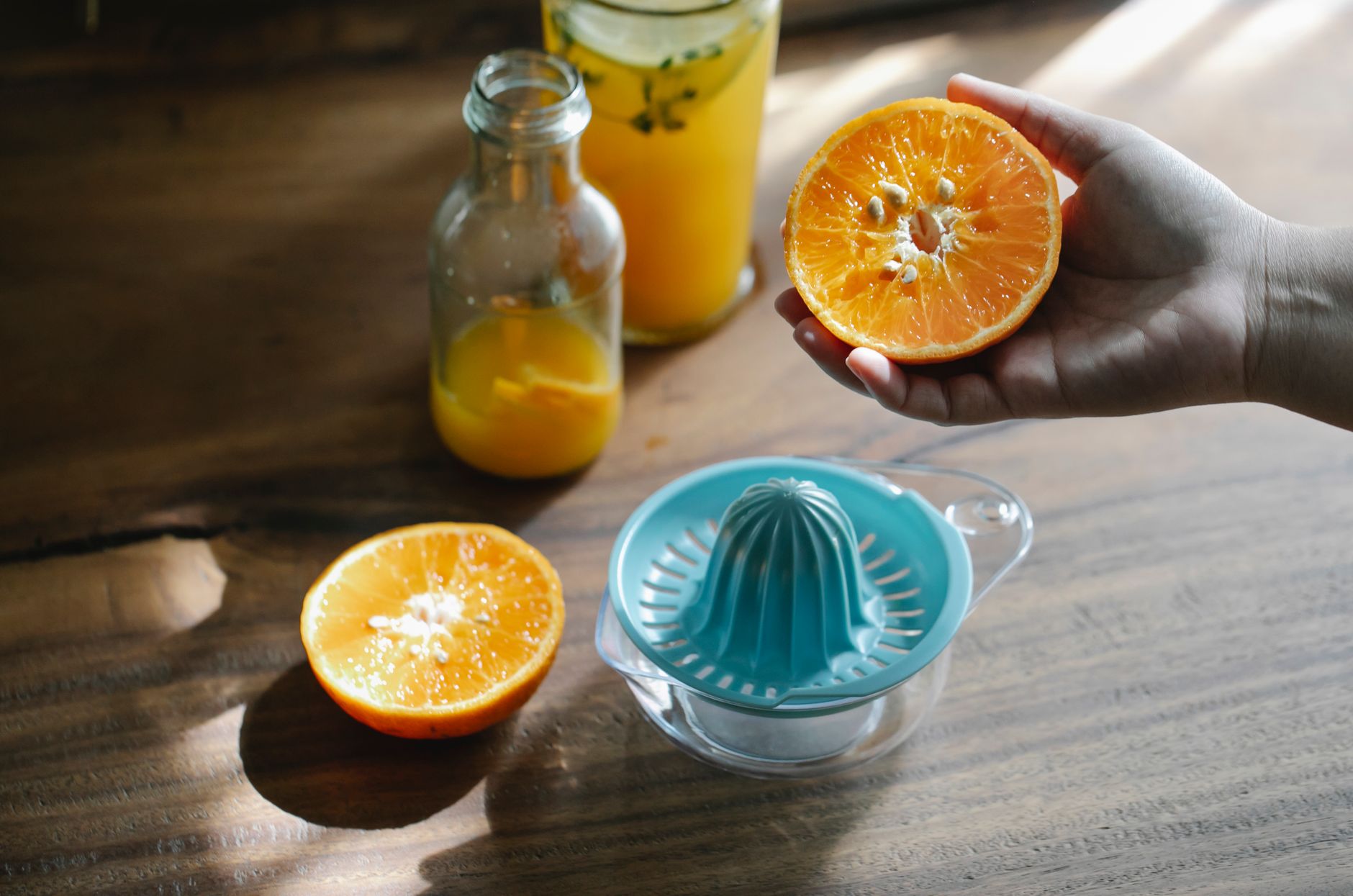
Orange juice is often celebrated for its refreshing taste and vibrant color, but it is perhaps best known as a rich source of vitamin C. This essential nutrient plays a crucial role in various bodily functions, including immune health, collagen production, and iron absorption. In this article, we will explore the vitamin C content in orange juice, its benefits, and how different serving sizes affect your intake.
Whether you’re looking to boost your vitamin C consumption or simply enjoy a glass of this citrus delight, understanding the nutritional properties of orange juice can help you make informed choices. We’ll also cover alternatives and whether fresh-squeezed or processed varieties offer any differences in nutritional value.
Does Orange Juice Have Vitamin C?
Yes, orange juice is well-known for its high vitamin C content. A standard serving of orange juice contains approximately 70 to 120 mg of vitamin C, depending on the type and brand of the juice. This amount can significantly contribute to the recommended daily intake of vitamin C for adults, which is 65 to 90 mg.
The Health Benefits of Vitamin C in Orange Juice
Vitamin C offers a wide array of health benefits. Here are some key functions:
- Immune Support: Vitamin C is essential for the growth and function of immune cells, helping your body fight infections.
- Collagen Production: It plays a vital role in synthesizing collagen, a protein necessary for maintaining healthy skin, blood vessels, and connective tissues.
- Antioxidant Properties: Vitamin C acts as a powerful antioxidant, combating oxidative stress and reducing inflammation in the body.
- Improved Iron Absorption: Consuming vitamin C alongside iron-rich foods can enhance iron absorption, reducing the risk of anemia.
Vitamin C Content by Serving Size of Orange Juice
To better understand how much vitamin C you can get from orange juice, let’s break down the vitamin C content based on different serving sizes. The values provided here are approximate and can vary depending on the source of the juice.
Serving Sizes and Their Vitamin C Content
| Serving Size | Vitamin C Content (mg) |
|---|---|
| 1 oz | 15-25 mg |
| 4 oz | 60-100 mg |
| 8 oz (1 cup) | 70-120 mg |
As seen from the table, a typical 8-ounce serving of orange juice can provide a substantial portion of the daily recommended intake of vitamin C. This makes orange juice a convenient option for boosting your vitamin C levels.
Fresh-Squeezed vs. Processed Orange Juice
When it comes to orange juice, you may wonder if there’s a difference in vitamin C content between fresh-squeezed and processed varieties. Here’s a closer look:
Fresh-Squeezed Orange Juice
Freshly squeezed orange juice is made directly from the fruit. It retains most of its natural nutrients, including vitamin C, and often contains no added sugars or preservatives. The vitamin C content in fresh-squeezed juices might be slightly higher than that found in processed equivalents, especially when consumed immediately after juicing.
Processed Orange Juice
Processed orange juice, often found in supermarkets, may undergo pasteurization and other treatments that can reduce the vitamin C levels. However, many manufacturers add vitamin C back into their products once pasteurized, which can help maintain the nutritional value. Always check labels to identify vitamin C content, added sugars, or other additives.
Choosing the Right Orange Juice
When selecting orange juice, consider the following tips:
- Choose 100% Juice: Look for labels that state “100% orange juice” to ensure you’re getting the pure product without added sugar or artificial ingredients.
- Check for Concentration: Some juices may be labeled as “from concentrate.” This process often involves removing water from the juice and can affect taste and vitamin content. Fresh juice is generally preferred for optimal flavor and nutrient content.
- Consider Vitamin Fortification: Some brands fortify their orange juice with additional vitamin C and other nutrients, which can be beneficial if you’re looking to enhance your intake.
Practical Ways to Include Orange Juice in Your Diet
Incorporating orange juice into your diet can be simple and enjoyable. Here are some practical tips:
Breakfast Boost
Start your day with a glass of orange juice alongside your favorite breakfast foods like oatmeal, yogurt, or whole-grain toast. It adds a refreshing and healthy touch to your meal.
In Smoothies
Add orange juice as a liquid base for smoothies. Its sweetness can enhance flavors while providing additional vitamin C. Combine it with fruits like bananas, strawberries, or spinach for a nutrient-packed beverage.
As a Marinade or Dressing
Use orange juice in marinades for chicken or fish, or in salad dressings. Its acidity brightens the flavors of meat and vegetables while adding a healthy boost. For a simple salad dressing, mix orange juice with olive oil, a dash of salt, and pepper.
In Desserts
Incorporate orange juice into desserts, like sorbets or cake recipes. It provides a citrus flavor dimension and contributes vitamin C to your treats.
Possible Substitutions and Variations
If you are looking for alternatives to orange juice while still gaining vitamin C, consider the following options:
- Other Citrus Juices: Juices from grapefruits, lemons, and limes are also high in vitamin C and can be used in similar ways as orange juice.
- Pineapple Juice: Pineapple juice is another excellent source of vitamin C and provides a different sweet flavor profile.
- Fortified Juices: Look for other fortified fruit juices that contain added vitamin C or other antioxidants.
Common Mistakes When Consuming Orange Juice
Here are some common pitfalls to avoid when consuming orange juice:
- Overconsumption: While orange juice is nutritious, it can be high in natural sugars. Try to limit your intake to moderation, typically one 8-ounce glass per day.
- Neglecting Whole Fruits: While juice can be beneficial, eating whole fruits provides more fiber and nutritional balance. Aim for a combination for optimal health benefits.
- Not Checking Labels: Always check the ingredients and nutrition labels to avoid juices with added sugars or artificial ingredients, which may negate some of the health benefits.
How to Store Orange Juice
Proper storage of orange juice is essential to maintain its freshness and nutritional value:
- Refrigeration: Once opened, orange juice should be refrigerated and consumed within 7 to 10 days for best quality.
- Freezing: If you have leftover juice, consider freezing it in ice cube trays. This allows you to use small portions as needed without waste.
- Avoid Excessive Light and Heat: Keep orange juice in opaque containers away from light and heat sources, which can degrade its nutrient content.
Conclusion and Final Thoughts
Orange juice is undeniably a delicious source of vitamin C and can be a valuable part of a healthy diet. With its versatile applications in meals and snacks, it’s easy to incorporate into various dishes. Always be mindful of your intake and consider balancing juice with whole fruits for maximum health benefits.
Explore related recipes and learn more about delicious orange-focused dishes such as this orange sherbet recipe or add a twist to your dishes with a cranberry sauce recipe with orange. Enjoy your journey of nutritious cooking!