
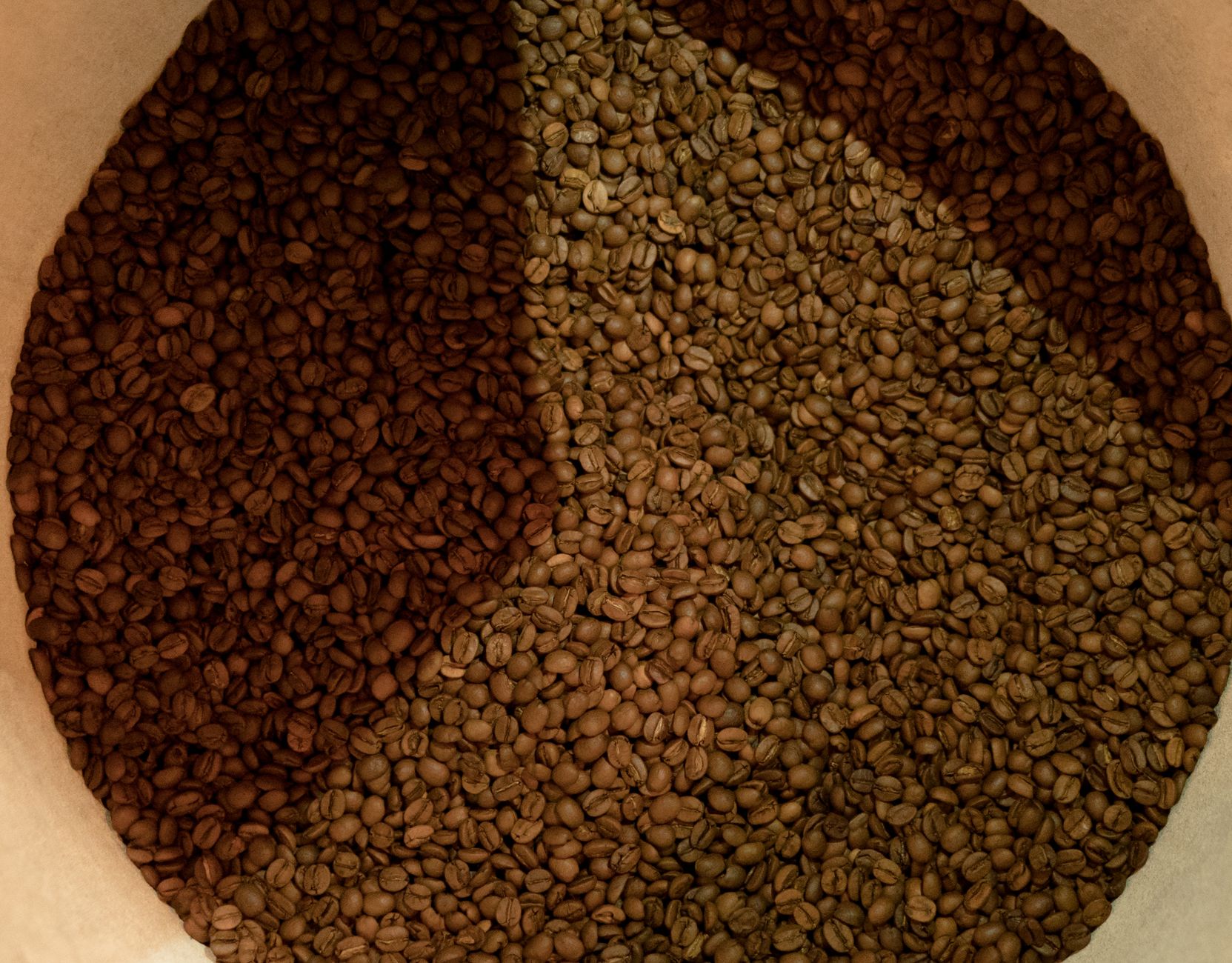
Coffee aficionados often debate whether a light roast or dark roast has more caffeine. While many assumptions exist, the truth is based on various factors, including roasting time, temperature, and bean type. Understanding these aspects will clarify the caffeine content found in your favorite brews.
In this article, we will explore the caffeine content of light and dark roasts, examine how roasting affects caffeine levels, and provide insights into what you might consider when selecting your ideal cup of coffee.
Does Light Roast or Dark Roast Have More Caffeine?
Though light roast coffee beans are denser and often contain slightly more caffeine by weight, the brewing method affects the final caffeine content in your cup. Consequently, when measured by volume, dark roast coffee typically presents a higher caffeine concentration because it is less dense due to the longer roasting process.
The Science Behind Caffeine in Coffee
Caffeine is a natural stimulant found in the seeds, leaves, and fruits of some plants. Coffee beans contain caffeine as a protective measure against pests. The caffeine content varies based on numerous factors, including the type of coffee bean, the brewing method, and the roast level. Here’s a deeper look at how these factors play a role:
1. Coffee Bean Types
The two primary species of coffee beans are Arabica and Robusta. Arabica beans are known for their preferred flavor profile but contain about half the caffeine of Robusta beans. On average, Arabica beans have about 1.2% caffeine by weight, while Robusta can have around 2.2% to 2.7% caffeine.
2. Roasting Process
The roasting process transforms raw green coffee beans into the dark, aromatic beans that make our morning brew. This process involves heating the beans at high temperatures for specific durations. As the beans roast, chemical changes occur, including the breakdown of chlorogenic acids and the formation of oils, which impacts the flavor and caffeine content.
3. Density Changes in Roasting
Light roast coffee maintains its density, meaning that while the beans are higher in caffeine per weight, the sheer volume of dark roast beans in a cup can make a difference. Dark roasted beans lose moisture and expand during the roasting process, resulting in a lighter density. This change affects how much caffeine you’re really getting based on your brewing method.
Caffeine Content Comparison
Now that we understand the science, let’s dive deeper into the caffeine content of light and dark roasts, along with how different brewing methods can impact their caffeine concentration.
Caffeine in Light Roast Coffee
Light roast coffee is characterized by its lighter color, a more pronounced acidic flavor, and a higher caffeine content when measured by weight. A typical light roast coffee, brewed as a standard eight-ounce cup, contains roughly:
- 95 mg of caffeine per 8 oz (brewed from Arabica)
- 120 mg of caffeine per 8 oz (brewed from Robusta)
Caffeine in Dark Roast Coffee
In contrast, dark roast coffee tends to appear oily and has a stronger, more robust flavor. Dark roasts still maintain significant caffeine levels, typically containing about:
- 85 mg of caffeine per 8 oz (brewed from Arabica)
- 110 mg of caffeine per 8 oz (brewed from Robusta)
Measurement Method and Variability
Understanding that brewing methods influence how much caffeine actually ends up in your cup can shed new light on the caffeine debate. For instance:
Ground Coffee vs. Whole Beans
When measuring coffee to brew, the density of ground coffee versus whole beans can affect how much caffeine you extract. Ground coffee allows for more caffeine extraction during brewing. When measuring by tablespoon, a tablespoon of ground coffee yields more caffeine than the same amount of whole beans.
Brewing Method
The brewing method used also significantly affects caffeine extraction. Here are a few popular methods:
- Standard Drip Brew: This is the most common method and tends to yield about 95 mg of caffeine for an 8 oz cup, regardless of roast.
- French Press: This method typically results in higher caffeine levels due to the extended brewing time, providing around 108 mg per 8 oz cup, irrespective of the roast.
- Espresso: Espresso has high caffeine concentration with about 63 mg per shot (1 oz), but you generally consume less volume compared to brewed coffee, resulting in less overall caffeine intake.
Factors Influencing Caffeine Content
Several other factors can impact the caffeine content in your coffee beyond the roast type and brewing method:
1. Brewing Time
Longer brewing times generally yield higher caffeine extraction. Therefore, whether you brew light or dark roast, letting it steep longer will enhance the caffeine content in the final cup.
2. Coffee-to-Water Ratio
Increasing the amount of coffee per cup or using a coarser grind can also influence caffeine levels. A more concentrated brew will invariably result in a higher caffeine content.
3. Water Temperature
Hotter water can extract caffeine more efficiently. For optimal caffeine extraction, water temperatures should be between 195°F and 205°F. If the water is cooler, you may not extract as much caffeine.
Common Misconceptions
Some prevalent myths surround the caffeine content of light and dark roasts. Here are a few misunderstandings debunked:
Myth: Dark Roast Has More Caffeine
This misconception arises because dark roast is often perceived as stronger flavored coffee. In reality, while it may taste bolder, the caffeine content is usually lower than light roast when measured by the same weight.
Myth: All Brews Yield the Same Caffeine
As previously mentioned, the brewing method, grind size, and coffee-to-water ratio fundamentally influence the caffeine yield, resulting in variations across different brewed cups.
Choosing Your Ideal Coffee
When deciding between light roast and dark roast coffee, consider your preference for flavor, aroma, and caffeine level. Here are some aspects to help guide your choice:
1. Flavor Preferences
Light roasts tend to have bright, fruity, and floral notes, whereas dark roasts offer deeper chocolatey, nutty, and caramel flavors. If you enjoy a milder, softer flavor, light roasts may appeal more to you.
2. Caffeine Sensitivity
If you’re particularly sensitive to caffeine or use coffee for its stimulating effects, you might want to consider both the roast type and brewing method. Drinking light roast could give you a more effective energy boost due to its higher caffeine content per weight.
3. Coffee Knowledge
Your understanding of coffee can lead to deeper enjoyment. Learning about the origin, brewing methods, and roast profiles could improve appreciation and your overall experience.
Practical Brewing Tips
To extract the most caffeine from your beans, consider these practical brewing tips:
- Use a quality grinder for a consistent grind size.
- Adjust your coffee-to-water ratio based on your preferences for strength and caffeine content.
- Experiment with brew times and temperatures to find your sweet spot.
- Try different brewing methods to explore how they impact flavor and caffeine levels.
Storage and Freshness
A common misunderstanding regarding caffeine content involves the storage and freshness of your coffee beans. Here’s what you should know:
Bean Storage
Unopened coffee beans stored in a cool, dark place will maintain their integrity longer than opened bags. Air and moisture can lead to degassing of the beans, which may affect flavor more than caffeine, but fresh beans can enhance the overall experience.
Use of Airtight Containers
The best way to store opened coffee is in an airtight container away from light, heat, and moisture. Proper storage can preserve flavor and quality, allowing you to maximize caffeine enjoyment.
Conclusion
When determining whether light roast or dark roast coffee has more caffeine, the context of measurement is crucial. While light roast typically has higher caffeine by weight, brewing method and conversion often lead dark roasts to yield more caffeine content by volume. Understanding the complexities of the coffee-making process aids in making informed choices about your daily brew.
To enhance your coffee experience, consider using drip, French press, or espresso methods to discover the effects on caffeine extraction while savoring the flavor profiles of your favorite roasts. Explore different brewing techniques or choose between light and dark roasts based on your enjoyment and caffeine needs. After all, getting to know your coffee is part of the delight!
For more delicious drink recipes, check out our Iced Americano Recipe or try our Caramel Ribbon Crunch Frappuccino Recipe for a delightful twist to your coffee routine.