
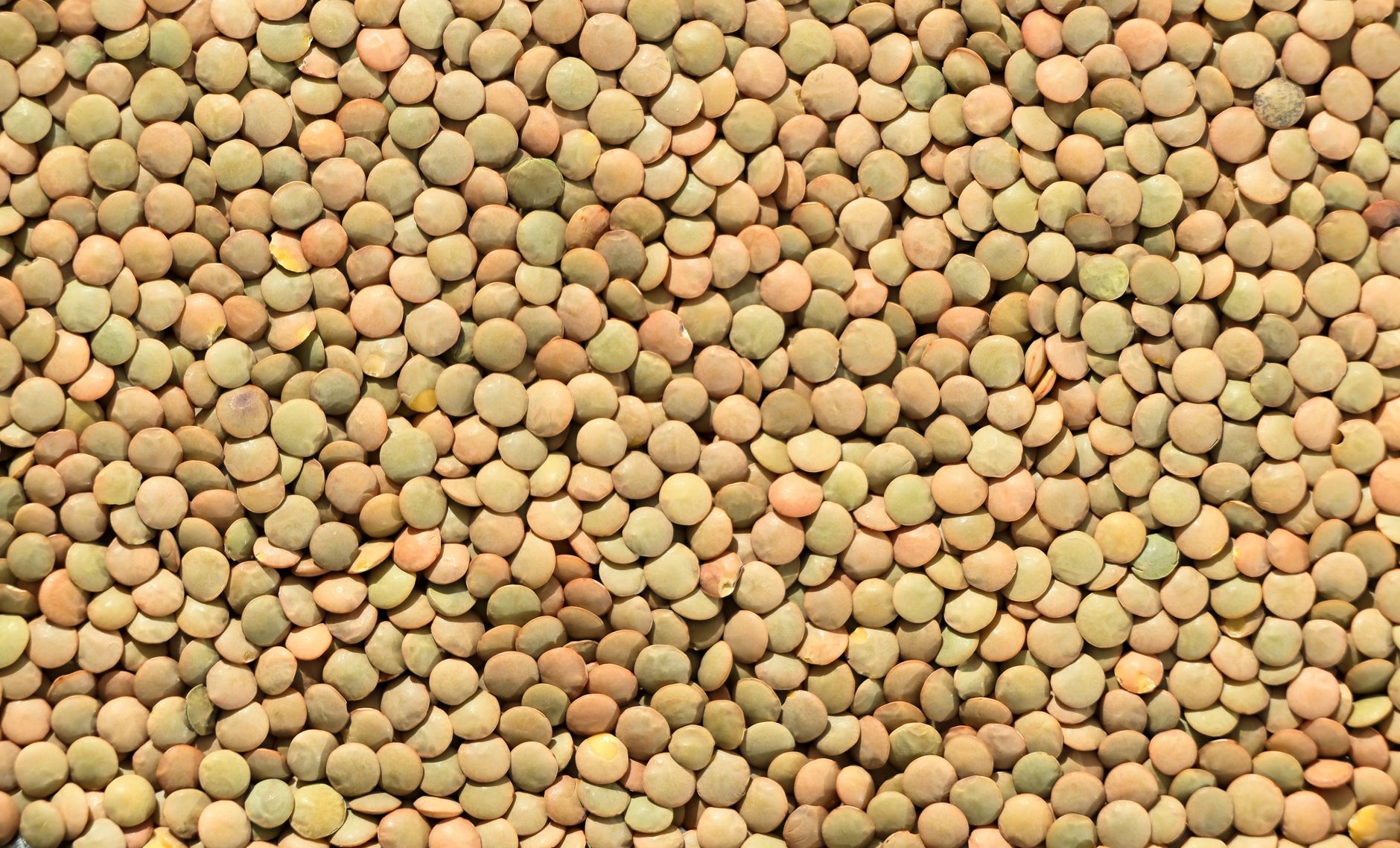
Lentils are not only popular for their versatility in cooking but also for their impressive nutritional profile. One of the most frequently asked questions about lentils is whether they contain protein, and if so, how much. This article will explore the protein content of lentils, their nutritional benefits, and how to incorporate them into your meals.
Known for their earthy flavor and hearty texture, lentils can be used in a variety of dishes, from soups to salads to main courses. They are an excellent plant-based protein source, especially for those following vegetarian or vegan diets. Understanding how much protein lentils offer can help you plan nutritious meals while ensuring adequate protein intake.
Does Lentil Have Protein?
Yes, lentils are a rich source of protein. They contain about 18 grams of protein per cooked cup (approximately 240 ml). Not only do they provide a significant amount of protein, but they also offer various other essential nutrients, making them a smart choice for a healthy diet.
Nutritional Profile of Lentils
Beyond protein, lentils are packed with nutrients that contribute to their reputation as a superfood. Here are key components of lentils’ nutritional profile:
- Protein: Approximately 18 grams per cooked cup.
- Fiber: About 15.6 grams, which aids digestion and supports heart health.
- Iron: Approximately 3.3 mg, important for red blood cell formation.
- Folate: Around 358 mcg, essential for DNA synthesis and repair.
- Magnesium: Roughly 71 mg, crucial for muscle and nerve function.
- Potassium: Contains about 731 mg, helping regulate blood pressure.
- Antioxidants: Lentils are rich in compounds that combat oxidative stress.
Types of Lentils
There are several varieties of lentils, each with unique flavors, colors, and cooking times. The protein content is relatively consistent across different types, making any lentil a good choice for enhancing your protein intake. Here are the most common types:
- Brown Lentils: Earthy flavor, hold their shape well after cooking; often used in soups.
- Green Lentils: Slightly firmer texture and peppery taste; great in salads.
- Red Lentils: Cook quickly and break down well; commonly used in dals and purees.
- Black Lentils: Also known as beluga lentils; small and shiny, they offer a rich taste and are perfect for gourmet dishes.
- Yellow Lentils: Mild flavor, often used in Indian cooking.
How to Cook Lentils
Cooking lentils is straightforward and requires minimal preparation. Here’s a step-by-step guide on how to cook lentils properly.
Cooking Method
- Rinse: Start by rinsing the lentils under cold water to remove any debris.
- Soaking (optional): While lentils do not necessarily need to be soaked, soaking can reduce cooking time and improve digestibility.
- Simmer: In a pot, combine one cup of lentils with three cups of water or broth. Bring to a boil, then reduce heat to a simmer.
- Cook time: Depending on the type of lentil, cooking time will vary:
- Brown and green: 25-30 minutes.
- Red: 15-20 minutes.
- Black: 25-30 minutes.
- Check doneness: Lentils should be tender but not mushy. Drain any excess liquid if necessary.
Common Cooking Mistakes
Here are a few common mistakes to avoid when cooking lentils:
- Skipping the rinse: Always rinse lentils to remove dirt and impurities.
- Not tasting: Check for doneness at the end of the estimated cooking time.
- Overcooking: Lentils can become mushy if cooked too long, especially red lentils.
Incorporating Lentils into Your Meals
With their high protein content, lentils can serve as a primary protein source or an excellent supplemental ingredient to boost the nutritional value of various dishes. Here are some delicious ways to include lentils in your daily meals:
1. Lentil Soup
A hearty lentil soup combines lentils with vegetables and spices to create a comforting dish. The lentils provide protein, while the vegetables contribute vitamins and minerals.
2. Lentil Salad
Cool cooked lentils mixed with diced vegetables, herbs, and a tangy vinaigrette makes for a refreshing and nutritious salad. This dish is perfect for packed lunches.
3. Lentil Stews
Add lentils to stews or curries for a protein boost. They absorb flavors beautifully and can help thicken the broth.
4. Lentil Patties or Burgers
Mash cooked lentils with spices and other ingredients to form patties or burgers. These make tasty vegetarian options for grilling.
5. Lentil Pasta
Swap traditional pasta with lentil-based pasta for a protein-rich alternative. This is an excellent choice for a gluten-free diet.
Meal Planning with Lentils
Planning meals that incorporate lentils can help you maintain a balanced diet while ensuring you get your daily protein needs. Here are some tips for meal planning with lentils:
- Batch Cooking: Cook a large batch of lentils at the beginning of the week, then divide them into portions for various meals.
- Combine with Other Ingredients: Pair lentils with grains, like rice or quinoa, to create complete protein meals.
- Versatile Leftovers: Use leftover lentils to create different dishes. For example, use leftover lentil soup as a base for a lentil pasta dish or a salad.
- Variety: Experiment with different lentil types in recipes to keep your meals interesting. Each type offers a unique flavor profile.
Substitutions and Variations
If you’re looking to substitute lentils in a recipe or explore variations, consider the following:
- Chickpeas: Another protein-rich legume that works well in salads and stews.
- Quinoa: A complete protein grain that can be used in place of lentils in salads and bowls.
- Beans: Black beans or kidney beans can serve as alternatives in dishes that call for lentils especially in stews or chili, though the flavor will differ somewhat.
- Textured Vegetable Protein (TVP): For those seeking a meat substitute, TVP can mimic the texture of lentils in certain dishes.
Storage and Reheating
Proper storage of lentils is essential for maintaining their flavor and texture. The following guidelines will help you make the most of your cooked lentils:
Storing Cooked Lentils
Once cooked, lentils can be stored in the refrigerator for 3-5 days in an airtight container. To freeze, spread cooked lentils on a baking sheet to cool. Once frozen, transfer them to a freezer-safe bag or container, where they can last for about 3 months.
Reheating Lentils
To reheat, add a small splash of water or broth to prevent drying out. Warm them on the stovetop over low heat or in the microwave until heated through. Only reheat lentils once, as repeated heating can affect their texture.
Health Considerations
Lentils are generally safe and nutritious for the majority of people. Here are a few considerations:
- Digestive Health: Due to their high fiber content, lentils can lead to gas or bloating in some individuals. Gradually increase your lentil intake to allow your digestive system to adjust.
- Oxalates: Lentils contain oxalates, which can negatively impact those with certain kidney conditions. Consult a healthcare provider if you have concerns.
- Balancing Nutrients: While lentils are an excellent source of protein and fiber, ensure you’re consuming a varied diet to receive all necessary nutrients.
Conclusion
Lentils are an outstanding protein source for individuals looking to enhance their diet with plant-based nutrition. With a broad range of flavors and textures, they are immensely versatile, making them ideal for numerous recipes. Incorporating lentils into your meals can help you enjoy their nutritional benefits while creating satisfying and delicious dishes.
For further inspiration, check out these related recipes: protein brownies and protein cookies.