
India’s beef export status is a topic of considerable interest, especially given the country’s complex cultural and religious landscape. In this article, we will examine whether India exports beef, the types of beef products exported, the regulations governing these exports, and the culinary uses of beef in Indian cuisine, along with serving ideas and practical information for those interested in this subject.
The Indian beef export market plays a significant role in the country’s agricultural sector, largely driven by the export of buffalo meat, which is more widely accepted in the global market. Let’s explore this further.
Does India Export Beef?
Yes, India does export beef, but it primarily exports buffalo meat rather than cow beef. The reasons for this include cultural considerations, religious beliefs, and international demand. Buffalo meat, often labeled as “carabeef,” is sought after in several countries due to its affordability and favorable nutritional profile.
Types of Beef Products Exported
The following are the primary types of beef products that India exports:
- Fresh or Chilled Buffalo Meat: This is raw meat that has been processed and cooled. It is typically packaged in bulk for the export market.
- Frozen Buffalo Meat: Many exporters freeze buffalo meat to preserve quality during transport. This product often offers a longer shelf life.
- Processed Beef Products: These may include items like sausages, minced meat, and ready-to-eat meals, which are gaining traction in international markets.
The Scope of India’s Beef Exports
India ranks among the top exporters of buffalo meat globally. In recent years, the demand for Indian buffalo meat has surged, particularly in countries like:
- Saudi Arabia
- Egypt
- Vietnam
- Malaysia
- Indonesia
These markets appreciate buffalo meat for its low fat content and rich flavor profile. It has been a preferred choice for many consumers looking for quality meat at competitive prices.
Regulations Governing Beef Exports in India
The beef export industry in India is heavily regulated to ensure compliance with international standards. Some of the key regulations include:
- Food Safety and Standards Authority of India (FSSAI): Other regulatory bodies outline safety standards that must be adhered to during processing, packaging, and exporting.
- Ban on Cow Slaughter: Many states in India have laws prohibiting the slaughter of cows, which contributes to the predominant export of buffalo meat.
- Export Quality Standards: Exporters must maintain high-quality standards to meet the demands of importing countries, focusing on taste, freshness, and hygiene.
Culinary Uses of Beef in Indian Cuisine
Buffalo meat is prevalent in various regional cuisines across India, where it is used in a range of traditional dishes. Here are a few notable culinary uses:
Curry Dishes
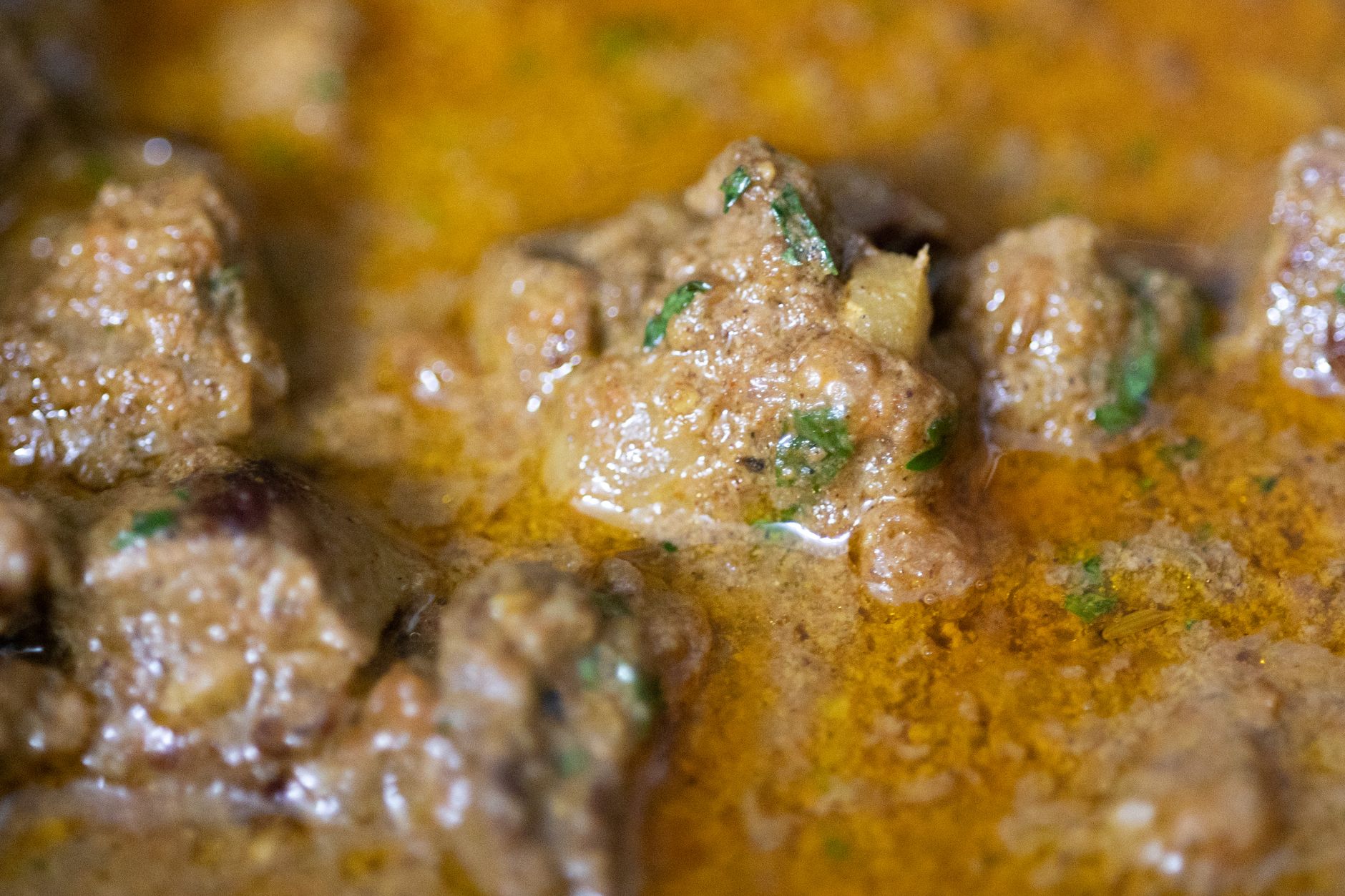
Buffalo meat is often incorporated into rich and aromatic curries, which are staples in Indian households. The spiciness of the curry pairs well with the robust flavor of the meat.
Grilled and Barbeque Recipes
Marinated buffalo meat can be skewered and grilled to perfection, making for an excellent barbeque dish enjoyed by families and friends.
Stews and Braises
Seasoned buffalo meat can be slow-cooked in a stew or braise, allowing it to absorb the various spices and flavors, resulting in tender and flavorful meat.
Popular Buffalo Meat Dishes in India
Buffalo meat serves as the primary ingredient in many states. Let’s take a closer look at some popular buffalo meat dishes:
- Keema: Spiced minced buffalo meat, usually cooked with green peas, tomatoes, onions, and a blend of spices.
- Bhuna Gosht: A dish where buffalo meat is slow-cooked with yogurt and spices until it turns tender and flavorful.
- Changra: A traditional dish in parts of North India, featuring marinated buffalo meat cooked with various spices.
Cooking with Buffalo Meat: Serving Ideas
When cooking with buffalo meat, consider these serving ideas to elevate your meal:
- Serve with Bread: Dishes like buffalo curry are often enjoyed with Indian breads such as naan or roti.
- Pairs Well with Rice: Buffalo meat curries can be served with steamed basmati rice for a hearty meal.
- Garnish and Accompaniments: Fresh cilantro, lime wedges, and onion slices make excellent garnishes that enhance flavor.
Practical Tips for Cooking with Buffalo Meat
If you are new to cooking with buffalo meat, here are some practical tips:
- Marination: Marinating buffalo meat enhances its flavor and tenderness. Use yogurt, spices, and citrus juices for effective marinade.
- Cooking Time: Buffalo meat may require longer cooking times than beef; slow cooking can yield the best results.
- Watch for Doneness: Use a food thermometer to check for doneness, aiming for an internal temperature of 145°F (63°C).
Common Mistakes to Avoid
When preparing dishes with buffalo meat, here are a few common mistakes to avoid:
- Skipping the Marinade: Failing to marinate can lead to tougher meat and less flavor.
- Overcooking: This can dry out the meat; monitor closely to ensure it remains juicy.
- Ignoring Resting Time: Allow cooked buffalo meat to rest for a few minutes before serving to retain juices.
Storage and Reheating
Proper storage and reheating are crucial to maintaining the quality of buffalo meat:
- Storage: Store uncooked buffalo meat in the refrigerator for up to 2 days, or freeze it for up to 6 months. Cooked buffalo meat can be refrigerated for up to 3 days.
- Reheating: Reheat in a skillet over medium heat or in the oven until warmed through. Ensure it reaches a safe temperature before serving.
The Global Demand for Indian Buffalo Meat
The demand for buffalo meat has increased globally, influenced by several factors:
- Affordability: Indian buffalo meat is often more affordable compared to beef from other countries, making it attractive to international markets.
- The Shift in Dietary Preferences: Many populations, particularly in the Middle East and Southeast Asia, seek alternatives to traditional red meats.
- Quality and Flavor: Buffalo meat is recognized for its distinct flavor and tenderness, gaining popularity in various cuisines.
Conclusion
India’s export of beef, specifically buffalo meat, is a critical aspect of its agricultural economy. As the global demand for buffalo meat continues to grow, India has positioned itself as a major supplier while navigating cultural and regulatory complexities. Cooking with buffalo meat allows for a range of delicious, hearty dishes, making it a versatile ingredient in both traditional and modern Indian cuisine. Consider exploring local recipes using buffalo meat for an authentic taste experience.
For more information on dietary considerations related to beef, visit this guide. If you’re curious about the protein content in ground beef, check out this resource for accurate information.