
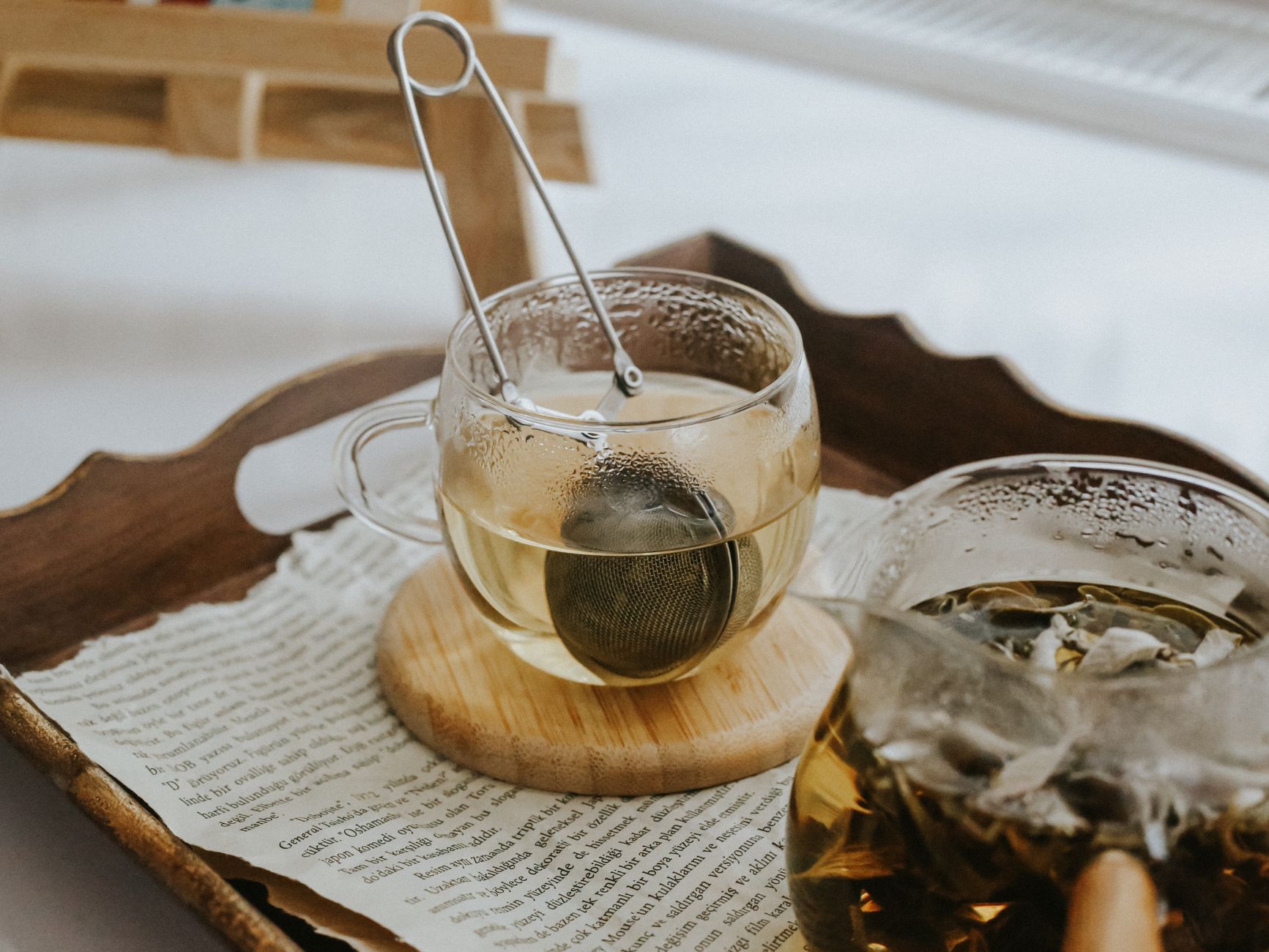
Many tea enthusiasts and health-conscious individuals are often curious about the caffeine content in herbal teas. Unlike traditional teas derived from the Camellia sinensis plant, herbal teas consist of various herbs, flowers, and spices, leading many to wonder if they contain caffeine or not.
This article will explore the caffeine content of herbal teas, the types of herbal teas available, and what to consider when choosing your next cup. Understanding these factors can help you enjoy herbal tea more mindfully, whether you’re avoiding caffeine or looking for alternatives to traditional teas.
Does Herbal Tea Have Caffeine?
The short answer is no, herbal teas typically do not contain caffeine. Unlike black tea, green tea, or white tea, all of which come from the same plant and naturally contain caffeine, herbal teas are generally caffeine-free.
However, there are specific exceptions to this rule. Some herbal blends may incorporate caffeinated ingredients or adjuncts. Hence, always double-check the ingredient list if you are highly sensitive to caffeine or wish to avoid it completely.
Understanding Herbal Teas
Herbal teas, also known as tisanes, are not technically teas as they do not originate from the Camellia sinensis plant. Instead, they can be made from an array of plant materials, including:
- Herbs (such as mint, chamomile, and basil)
- Flowers (like hibiscus and lavender)
- Seeds (such as fennel and coriander)
- Roots (including ginger and turmeric)
- Fruits and spices (like apple pieces and cinnamon)
This diversity in ingredients gives herbal teas their unique flavors, aromas, and potential health benefits, sparking interest in their different types.
Types of Herbal Teas
There are numerous herbal teas available, each with its unique flavor profile and potential benefits. Some popular varieties include:
Chamomile Tea
Chamomile tea, made from dried chamomile flowers, is known for its calming and soothing effects. This tea is often consumed before bedtime to promote better sleep and relaxation and is caffeine-free.
Peppermint Tea
Peppermint tea is refreshing and invigorating, often enjoyed for its digestive benefits. This herbal tea can help relieve stomach discomfort without any caffeine.
Hibiscus Tea
Hibiscus tea, with its tart flavor, is not only vibrant in color but is also rich in antioxidants. It can be enjoyed hot or cold and is naturally caffeine-free.
Rooibos Tea
Originating from South Africa, rooibos tea has a naturally sweet and nutty flavor. It is often used as a caffeine-free alternative to black tea and is rich in antioxidants.
Ginger Tea
Ginger tea is made from fresh ginger root and is known for its warming properties. It aids digestion and can also relieve nausea, and is caffeine-free.
Potential Exceptions: Caffeinated Ingredients
While most herbal teas do not contain caffeine, some blends may include ingredients that do. For example:
- Yerba Mate: An herb from South America known for its stimulating effects, akin to green tea.
- Guayusa: This Amazonian plant is known for its caffeine content and is often mixed with other herbal ingredients.
- Matcha or Green Tea: Herbal blends that include these ingredients will contain caffeine due to their origins in the Camellia sinensis plant.
For anyone carefully managing caffeine intake, it’s essential to read labels and ingredient lists for herbal tea blends that might contain these caffeinated components.
Decaffeinated Herbal Teas
As herbal teas do not generally contain caffeine, the term “decaffeinated” is typically not relevant. However, some commercially available herbal blends might use decaffeinated green or black tea as a base. Understanding whether a tea contains these components is crucial for those seeking to eliminate caffeine from their diet.
Benefits of Choosing Herbal Teas
Herbal teas offer various potential health benefits while providing a caffeine-free alternative. Some advantages include:
- Relaxation: Many herbal teas, such as chamomile, can help reduce stress and promote relaxation.
- Digestive Health: Varieties like peppermint and ginger may aid digestion and soothe stomach discomfort.
- Antioxidant Properties: Herbal teas like hibiscus and rooibos are rich in antioxidants, which can benefit overall health.
- Hydration: Herbal teas can contribute to daily fluid intake without the dehydrating effects often associated with caffeinated beverages.
How to Choose Herbal Teas
Selecting the right herbal tea can greatly enhance your tea-drinking experience. Here are some considerations:
Flavor Preferences
Consider what flavors you enjoy. Are you drawn to fruity, sweet, floral, or spicy notes? Exploring different herbal teas can help you find blends that match your palate.
Health Goals
If you’re seeking specific health benefits, select an herbal tea that aligns with your goals. For example, choose ginger tea for nausea and chamomile for relaxation.
Quality of Ingredients
Opt for high-quality herbal teas from reputable brands. Look for organic options and avoid blends with artificial flavorings or additives for the best experience.
Brewing Instructions
Each herbal tea has specific brewing requirements. Follow these general guidelines:
- Use fresh, cold water.
- Bring water to a boil (varies for some herbs, usually around 200°F to 212°F).
- Steep for 5 to 7 minutes to extract maximum flavor and benefits.
Always check the packaging for specific instructions, as steeping times and temperature recommendations can vary significantly.
Common Mistakes When Brewing Herbal Tea
Even though brewing herbal tea may seem simple, a few common mistakes can detract from its flavor. Here are some to avoid:
- Using water that is too hot: This can lead to a bitter taste in delicate herbs.
- Under-steeping: Not steeping for long enough can result in weak flavors.
- Over-steeping: Leaving herbal tea to steep for too long can make it overly bitter or astringent.
Paying attention to these details can enhance your herbal tea experience.
Storage Tips for Herbal Teas
Proper storage can enhance the shelf life and flavor of your herbal teas. Here are some tips:
- Store in a cool, dark place away from direct sunlight.
- Keep in airtight containers to maintain freshness.
- Avoid exposure to moisture, which can lead to spoilage.
Making Your Herbal Tea Blends
If you’re interested in crafting your own herbal tea blends, this can be a fun and rewarding experience. Here’s how to create your unique infusion:
- Choose a base herbal ingredient such as chamomile or rooibos.
- Add complementary flavors, like lemon zest or dried fruit pieces.
- Incorporate spices, such as cinnamon or ginger, for an added kick.
- Mix the ingredients in an airtight container and label them.
- When ready to brew, use 1 – 2 teaspoons per cup, steep for the recommended time, and enjoy.
This allows you to tailor the flavors to suit your tastes and enjoy variety in your tea routine.
Conclusion
Understanding the caffeine content in herbal teas is essential for those looking to enjoy this delicious beverage without the stimulating effects of caffeine. Most herbal teas are naturally caffeine-free, providing a wide array of flavors and potential health benefits. By being mindful of the ingredients in blended options and following proper brewing techniques, you can create a satisfying herbal tea experience tailored to your preferences.
As you explore the world of herbal teas, consider making your blends, storing them correctly, and enjoying the relaxation they can offer. For a tasty alternative, check out the chai concentrate recipe or explore which teas have the most caffeine by visiting this guide.