
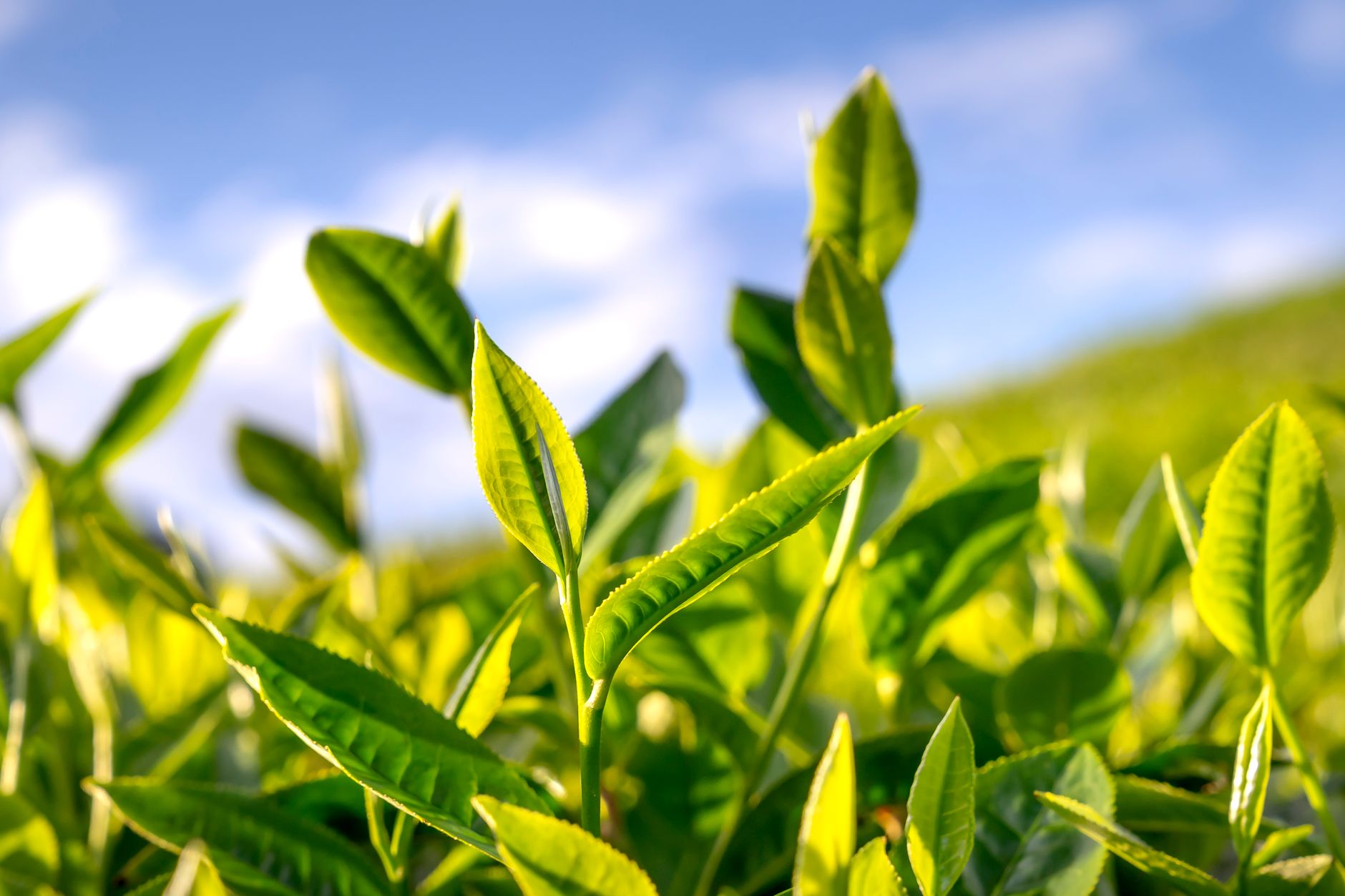
Green tea is frequently lauded for its numerous health benefits in various cultures around the world. One topic that often comes up in discussions about this beloved beverage is whether it contains caffeine naturally. Understanding the caffeine content in green tea can help tea enthusiasts make informed choices about their consumption.
This article will explore the caffeine content of green tea, how it compares to other caffeinated beverages, and what factors might influence its caffeine levels. Let’s dive into the fascinating world of green tea and its naturally occurring caffeine.
Does Green Tea Have Caffeine Naturally?
Yes, green tea does have caffeine naturally. The caffeine content in green tea varies significantly depending on several factors, including the type of green tea, the brewing method, and the steeping time. Generally, an 8-ounce cup of brewed green tea contains about 20-45 milligrams of caffeine.
For reference, this is lower than an equivalent serving of coffee, which contains around 95 milligrams on average. Understanding these details can help you gauge your caffeine intake from green tea compared to other beverages.
The Science Behind Caffeine in Green Tea
Caffeine is a natural stimulant that belongs to a class of compounds known as xanthines. In plants, caffeine serves not only to enhance flavor but also as a defense mechanism, deterring herbivores and promoting pollination. In green tea, caffeine is produced during the photosynthesis process and stored in the leaves.
The level of caffeine is influenced by various key factors, such as:
- Type of Green Tea: Different varieties of green tea, such as sencha, matcha, and gyokuro, contain varying amounts of caffeine. For instance, matcha tends to have higher caffeine content due to the whole leaf being consumed.
- Growing Conditions: Tea plants grown in shaded areas generally produce leaves with higher caffeine content compared to those grown in direct sunlight.
- Harvesting Time: Younger leaves (like buds and first leaves) contain more caffeine than older leaves.
- Processing Methods: How the tea is processed after harvesting can affect its caffeine levels. More lightly processed teas tend to retain more caffeine.
- Brewing Time and Temperature: Longer steeping times and higher temperatures will extract more caffeine from the leaves. The method of brewing can significantly impact the final cup’s caffeine levels.
How Much Caffeine is in Green Tea?
The caffeine content in a typical 8-ounce cup of green tea can vary widely, but it usually ranges from 20 to 45 milligrams. Here’s a breakdown of common green teas and their approximate caffeine content:
- Matcha: 70-140 mg (per 8 oz, depending on serving size and concentration)
- Sencha: 30-40 mg
- Gyokuro: 40-60 mg
- Bancha: 20-30 mg
- Genmaicha: 20-35 mg
As you can see, matcha offers a notably higher caffeine content because it’s made from powdered whole leaves, allowing for greater caffeine extraction. If you’re looking for a moderate caffeine boost without the jitters associated with coffee, green tea is an excellent choice.
Caffeine Comparison: Green Tea vs. Other Beverages
To put green tea’s caffeine content into perspective, let’s compare it to several popular beverages:
| Beverage | Caffeine Content (per 8 oz) |
|---|---|
| Coffee | 95 mg (average) |
| Black Tea | 40-70 mg |
| Green Tea | 20-45 mg |
| Energy Drinks | 80-100 mg |
| Soft Drinks (Cola) | 30-40 mg |
This comparison shows that while green tea contains caffeine, it is generally lower than in coffee and energy drinks, making it an appealing option for those sensitive to high caffeine levels. The presence of L-theanine, an amino acid found in green tea, also contributes to a more balanced energy boost, promoting calmness alongside alertness.
Factors Influencing Caffeine Levels in Green Tea
As previously mentioned, several key factors can affect the caffeine content in green tea. Let’s explore these in more detail:
1. Type of Green Tea
Different types of green tea have unique growing and processing methods. For example, matcha is made from shade-grown tea leaves, leading to a higher caffeine concentration. In contrast, teas like bancha are harvested later in the season and tend to have less caffeine.
2. Growing Conditions
The environment in which tea plants grow significantly influences their caffeine levels. Factors like sunlight exposure, soil quality, and elevation can create variations in caffeine concentration. Shade-grown teas, which are deprived of direct sunlight, produce more caffeine as a protective mechanism.
3. Harvesting and Processing
The time of year that tea leaves are harvested can also affect their caffeine content. Younger leaves and buds contain more caffeine than older and mature leaves. Additionally, the processing methods, such as steaming, pan-frying, and drying, can alter the caffeine levels retained in the final product.
4. Brewing Techniques
The way you brew your green tea results in differences in caffeine content. Some tips for maximizing caffeine extraction include:
- Use hotter water (around 175°F to 185°F) to extract more caffeine.
- Steep for a longer duration (2-3 minutes) to enhance caffeine levels.
- Use more tea leaves or matcha powder to increase caffeine content.
Health Considerations Related to Caffeine
Caffeine can have various health effects, both positive and negative. Understanding these can help you enjoy your green tea while being mindful of your caffeine intake.
- Positive Effects: Research suggests that moderate caffeine intake can improve focus, enhance mood, and boost metabolism. Additionally, green tea is rich in antioxidants, which may contribute to overall health.
- Negative Effects: Excessive caffeine consumption can lead to jitteriness, insomnia, increased heart rate, and anxiety. It can also interfere with the absorption of certain nutrients, such as calcium and iron.
It’s important to pay attention to your body’s reactions and adjust your green tea consumption accordingly.
Decaffeinated Green Tea: An Alternative
If you enjoy green tea but want to avoid caffeine, decaffeinated green tea is a great alternative. Most decaffeinated green teas retain flavors and health benefits while having very minimal caffeine content (generally less than 5 mg per 8 oz cup).
When purchasing decaffeinated green tea, be sure to choose high-quality brands to ensure that the decaffeination process does not compromise the taste and health properties of the tea.
Tips for Choosing and Brewing Green Tea
To enjoy green tea to its fullest, consider the following tips when selecting and brewing your tea:
- Quality Over Quantity: Choose high-quality loose leaf teas or premium bagged teas. They often provide better flavor, aroma, and health benefits.
- Proper Storage: Keep your tea in a cool, dark place in an airtight container to preserve its freshness and potency.
- Experiment with Brewing: Try different brewing methods, including varying temperatures, steeping times, and tea-to-water ratios to discover your perfect cup.
- Don’t Forget to Enjoy: Take a moment to savor the flavors, aromas, and health benefits of your green tea. Mindful consumption enhances your overall experience.
Common Questions About Green Tea and Caffeine
Can I drink green tea if I am sensitive to caffeine?
If you’re sensitive to caffeine but still want to enjoy green tea, consider starting with lower-caffeine varieties, such as bancha or genmaicha, or opt for decaffeinated options. Monitoring your intake will help you find a suitable balance.
Does green tea give me the same energy boost as coffee?
While green tea does contain caffeine, the energy boost it provides differs from that of coffee. Green tea’s caffeine, combined with L-theanine, tends to result in a milder, more balanced boost without the jitteriness often associated with coffee.
Conclusion
Green tea is a natural source of caffeine, providing an enjoyable beverage for those seeking a gentler boost compared to coffee. Understanding the factors that influence its caffeine content can help you select the right type of green tea for your needs and preferences. Whether you love the rich flavor of matcha or the delicate notes of sencha, there’s a green tea out there for everyone. Drink mindfully and enjoy all the unique flavors and benefits this ancient beverage has to offer!
If you would like to learn more about tea flavors, check out what green tea tastes like, or explore the caffeine content in chai tea for further insights on your beverage choices.