
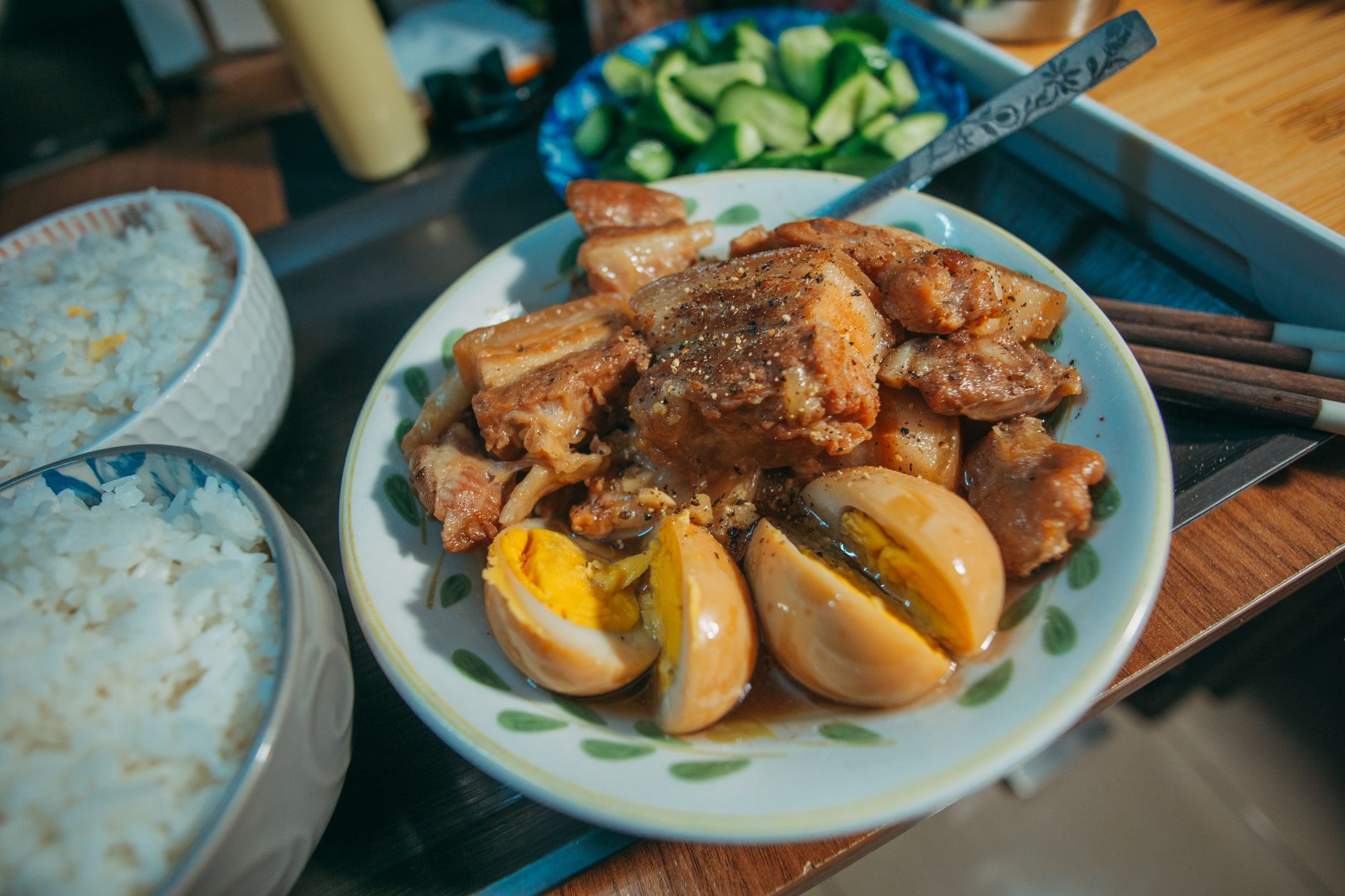
Chicken Adobo is a beloved Filipino dish that showcases the country’s rich culinary heritage. This savory and slightly tangy dish has a perfect balance of flavors, making it a popular choice among both locals and those new to Filipino cuisine.
Understanding Chicken Adobo involves more than just knowing how to cook it. It encompasses its ingredients, taste profile, culinary uses, and cultural significance. This article aims to unravel the components of Chicken Adobo, explore its distinct flavors, and provide insight into its various applications in meals.
What Is Chicken Adobo?
Chicken Adobo is a traditional Filipino dish made primarily with chicken, vinegar, soy sauce, garlic, bay leaves, and peppercorns. The dish is often characterized by its tartness from the vinegar and its umami flavor from the soy sauce. It is typically simmered until flavorful and tender, resulting in a dish that is both hearty and satisfying.
Ingredients of Chicken Adobo
The core ingredients of Chicken Adobo are simple yet vital in creating its distinctive flavor. Here’s a breakdown of what you’ll need:
- Chicken: 2 to 3 pounds, typically bone-in pieces like thighs or drumsticks
- Vinegar: ½ to ¾ cup, white vinegar works best, but cane vinegar or apple cider vinegar can also be used
- Soy Sauce: ½ cup, this adds depth and saltiness to the dish
- Garlic: 6 to 8 cloves, crushed or minced for aromatic flavor
- Bay Leaves: 2 to 3 leaves, used to enhance the overall fragrance
- Peppercorns: 1 teaspoon, whole or crushed to add a hint of spice
- Water: 1 to 2 cups, depending on how saucy you want the dish to be
- Cooking oil: 1 to 2 tablespoons for browning the chicken (optional)
- Salt and Pepper: to taste, for additional seasoning
Optional Ingredients
Many cooks enjoy personalizing their Chicken Adobo with additional ingredients such as:
- Onion: 1 medium, sliced, for sweetness and depth of flavor
- Chili Peppers: for those who like heat, sliced or whole
- Potatoes: diced, for added heartiness and texture
- Hard-boiled eggs: added towards the end for protein and richness
Taste & Texture of Chicken Adobo
The flavor profile of Chicken Adobo is complex and layered. The primary taste comes from the combination of vinegar and soy sauce, which together create a unique balance of tartness and saltiness. The garlic contributes an aromatic quality, while the bay leaves add subtle herbal notes.
The texture of the chicken is usually tender and juicy, as it is typically simmered in the sauce until done. Depending on how long the dish is cooked, the sauce may be thick or more soupy, but it generally possesses a glossy sheen.
Culinary Uses of Chicken Adobo
Chicken Adobo is versatile and can be enjoyed in various ways:
Main Course
Served as the star of a meal, Chicken Adobo pairs perfectly with steamed white rice, which absorbs the rich sauce. It is commonly served during family gatherings, celebrations, or weeknight dinners.
Leftovers
One of the remarkable things about Chicken Adobo is the flavor enhancement over time. Leftover adobo can be enjoyed the next day, and the taste often improves as it sits, allowing the flavors to meld. It can be refrigerated for 3-4 days or frozen for longer preservation.
Sandwiches and Wraps
Shredded Chicken Adobo can be used as a filling for sandwiches or wraps, providing a deliciously savory option for lunches or snacks.
Fusion Dishes
Creative cooks may use Chicken Adobo in fusion recipes, utilizing the adobo flavors in tacos, burritos, or even adobo-flavored soups and stews.
How to Cook Chicken Adobo
Creating Chicken Adobo requires a straightforward method. Here’s a step-by-step guide:
- Marinate the chicken: In a large bowl, combine chicken pieces with vinegar, soy sauce, garlic, bay leaves, and peppercorns. Marinate for at least 30 minutes, or preferably a few hours in the refrigerator.
- Brown the chicken (optional): Heat oil in a large pot or skillet over medium heat. Remove the chicken from marinade (reserving the marinade) and brown it in the hot oil for about 5-6 minutes on each side.
- Add marinade and water: Pour the reserved marinade over the browned chicken and add water. Bring to a simmer.
- Simmer: Reduce heat to low and cover the pot. Allow the chicken to simmer for about 30-40 minutes, or until chicken is tender and cooked through. If you prefer a thicker sauce, continue cooking uncovered for an additional 10-15 minutes.
- Season and serve: Taste and adjust seasoning as needed. Serve over rice, and garnish with additional peppercorns or fresh herbs if desired.
Common Mistakes and Troubleshooting
While making Chicken Adobo is generally straightforward, there are common pitfalls to be aware of:
Overcooking
Allowing the chicken to simmer for too long can lead to overly dry meat. Monitor cooking time and check for tenderness before it becomes dry.
Too Sour or Salty
If the dish is too sour, adding a little sugar can help balance the flavors. If it’s too salty, adding a bit more water or chicken broth may dilute the saltiness.
Inadequate Flavor
To enhance flavor, let the chicken marinate longer. The longer the marination, the better the flavors penetrate the meat.
Variations of Chicken Adobo
Chicken Adobo varies widely across regions and personal preferences. Here are a few popular variations:
Adobo sa Gata
This variation incorporates coconut milk, adding creaminess and a subtle sweetness that complements the savory elements.
Adobo with Pineapple
Some versions add pineapple chunks for a tropical sweetness that contrasts beautifully with the tartness of the vinegar.
Dry Adobo
For a dryer version, allow the sauce to reduce significantly until it clings to the chicken pieces, creating a more intense flavor.
Storage and Reheating Instructions
Proper storage can extend the life of your Chicken Adobo and maintain its flavor:
Storage
Chicken Adobo can be stored in an airtight container in the refrigerator for up to 4 days. For longer storage, it can be frozen for up to 3 months.
Reheating
Reheat Chicken Adobo in a saucepan over medium-low heat, adding a splash of water if necessary to ensure the chicken stays moist. Alternatively, you can microwave individual portions at medium power until heated through.
Conclusion
Chicken Adobo is more than just a meal; it is a testament to Filipino cooking traditions and communal eating experiences. By understanding its ingredients, flavors, and culinary uses, you can appreciate the depth and versatility of this timeless dish. Whether you try your hand at making it or enjoy it as part of a Filipino feast, Chicken Adobo promises to deliver rich flavors and heartwarming satisfaction.
To dive deeper into your cooking adventures, consider exploring our guides on chicken brine recipes or other delightful chicken dishes like Melt-in-Your-Mouth Chicken. Happy cooking!