
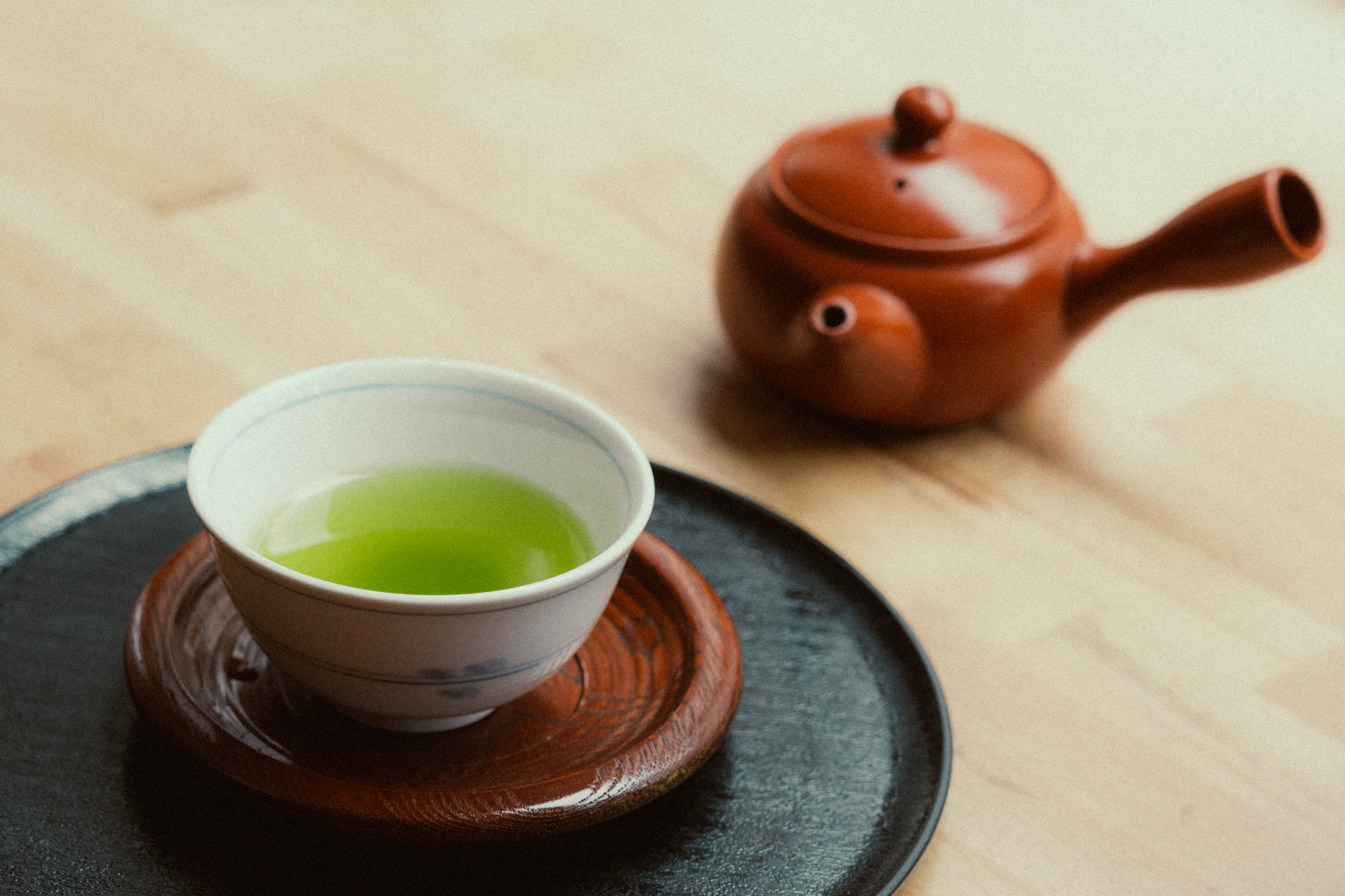
When fasting, many seek options that won’t disrupt their metabolic state. One commonly debated beverage is green tea. This article will explore whether green tea breaks a fast, its nutritional profile, and practical tips for incorporating it into your fasting routine.
Fasting can vary significantly in duration and purpose, including intermittent fasting, time-restricted eating, and extended fasting for detoxification or weight loss. With its myriad of health benefits and low-calorie content, green tea often raises questions regarding its compatibility with fasting protocols.
Does Green Tea Break a Fast?
Green tea generally does not break a fast, especially when consumed without any added sugars or creamers. Its low-calorie nature allows the body to remain in a fasted state, which can still promote fat oxidation and other fasting benefits.
However, the impact of green tea on fasting can depend on factors such as the type of fast you are following, your personal health goals, and how you consume it. Understanding why green tea is often considered a good choice during fasting is key to making informed decisions.
The Nutritional Profile of Green Tea
Green tea is renowned for its rich flavor and array of health benefits. It contains a variety of compounds, including:
- Catechins: A type of antioxidant that can potentially promote fat loss and improve metabolism.
- Caffeine: A mild stimulant that can enhance alertness and energy, aiding performance during fasting.
- L-theanine: An amino acid known for its calming effects that can counterbalance the jittery effects of caffeine.
- Fluoride: Supports dental health and may reduce the risk of some chronic diseases.
One cup (approximately 240 ml) of brewed green tea typically contains between 2 to 5 calories, making it an excellent low-calorie beverage option during a fast. It also supplies small amounts of vitamins and minerals, contributing to overall nutritional health.
Benefits of Drinking Green Tea While Fasting
Incorporating green tea into your fasting routine may provide several advantages:
1. Enhanced Metabolism
The catechins found in green tea can assist in increasing metabolic rate, potentially leading to more effective fat burning during fasting periods.
2. Appetite Suppression
Green tea has been shown to help reduce feelings of hunger, making it easier to maintain a fast without feeling deprived.
3. Improved Hydration
Drinking green tea can contribute to your daily hydration needs, which is crucial during fasting. Staying hydrated is important for overall health and can prevent feelings of fatigue.
4. Antioxidant Properties
The antioxidants in green tea help combat oxidative stress in the body, supporting overall health even during periods of limited food intake.
5. Enhanced Mental Clarity
Due to its combination of caffeine and L-theanine, green tea can improve focus and mental clarity, assisting you with concentration during fasting.
When to Drink Green Tea During Fasting
Timing can enhance the benefits of drinking green tea while fasting. Here are a few suggestions:
1. During the Fasting Window
Green tea can be consumed freely during the fasting window for intermittent fasting protocols. It’s an excellent choice for those looking to stave off hunger.
2. Before Workouts
Drinking green tea before a workout can provide a caffeine boost, helping improve endurance and performance without breaking your fast.
3. In Place of Sugary Beverages
Green tea can replace higher calorie beverages while fasting, allowing you to maintain a fasted state while enjoying a flavorful drink.
How to Prepare and Enjoy Green Tea
Making green tea can be straightforward. Here’s how to prepare a basic cup of green tea:
Ingredients
- 1 teaspoon loose leaf green tea or 1 green tea bag
- 240 ml hot water (about 80°C or 176°F)
Equipment
- Teapot or mug
- Teaspoon or tea infuser (if using loose leaf)
- Thermometer (optional)
Method
- Heat water to about 80°C (176°F). Ideal water temperature is crucial to avoid burning the leaves.
- If using loose leaves, place them in a tea infuser; if using a tea bag, place it in your mug.
- Pour hot water over the tea leaves and steep for 2 to 3 minutes.
- Remove the tea leaves or tea bag, and enjoy!
Flavor Variations and Additions
While the basic version of green tea is delightful on its own, there are various ways to enhance its flavor while still keeping it suitable for fasting:
- Lemon: A splash of lemon juice can add vitamin C and brighten the flavor without adding calories.
- Mint: Fresh mint leaves can offer a refreshing twist, suitable for warmer days.
- Ginger: A slice of ginger root can add a spicy kick while potentially aiding digestion.
- Cinnamon: A pinch of ground cinnamon can complement the tea’s flavor profile and provide additional antioxidants.
Common Mistakes When Drinking Green Tea
While green tea is generally beneficial, there are some pitfalls to avoid:
1. Over-Steeping
Steeping green tea for too long can lead to a bitter taste. Aim for 2 to 3 minutes for optimal flavor.
2. Using Water That’s Too Hot
Brewed in boiling water, green tea can develop a harsh flavor. Stick to the recommended temperature for the best result.
3. Adding Sweeteners
To maintain a fasted state, avoid adding sugar, honey, or other caloric sweeteners. Instead, explore calorie-free options for flavoring.
Possible Drawbacks
As beneficial as green tea can be, it also has potential drawbacks for some individuals:
1. Caffeine Sensitivity
Green tea contains caffeine, which may cause jitters or interfere with sleep in sensitive individuals. Consider decaffeinated versions if this is a concern.
2. Stomach Sensitivity
For those who experience discomfort when consuming green tea on an empty stomach, consider pairing it with a small amount of food to mitigate these effects.
3. Nutrient Absorption
The tannins in green tea may bind to certain nutrients, potentially affecting their absorption. If you are concerned, try to time your intake away from meals.
Storage Tips for Green Tea
Proper storage can ensure that your green tea retains its flavor and health benefits over time:
- Keep It Cool: Store green tea in a cool, dark place, away from sunlight and heat sources.
- Airtight Container: Use an airtight container to prevent exposure to air, which can degrade flavor quality.
- Use Within a Year: For the best flavor and benefits, aim to consume green tea within a year of purchase.
Conclusion
Green tea is a valuable beverage choice for those looking to maintain a fast. Its low-calorie count, appetite-suppressing properties, and a wealth of antioxidants make it a beneficial addition to fasting routines. Responsible preparation and mindful consumption can enhance its positive impacts and keep your fast intact.
Explore more about the taste of green tea in our guide on what green tea tastes like and discover how to create a delicious chia pudding recipe with coconut milk for your meal-prep days. Enjoy your wellness journey!