
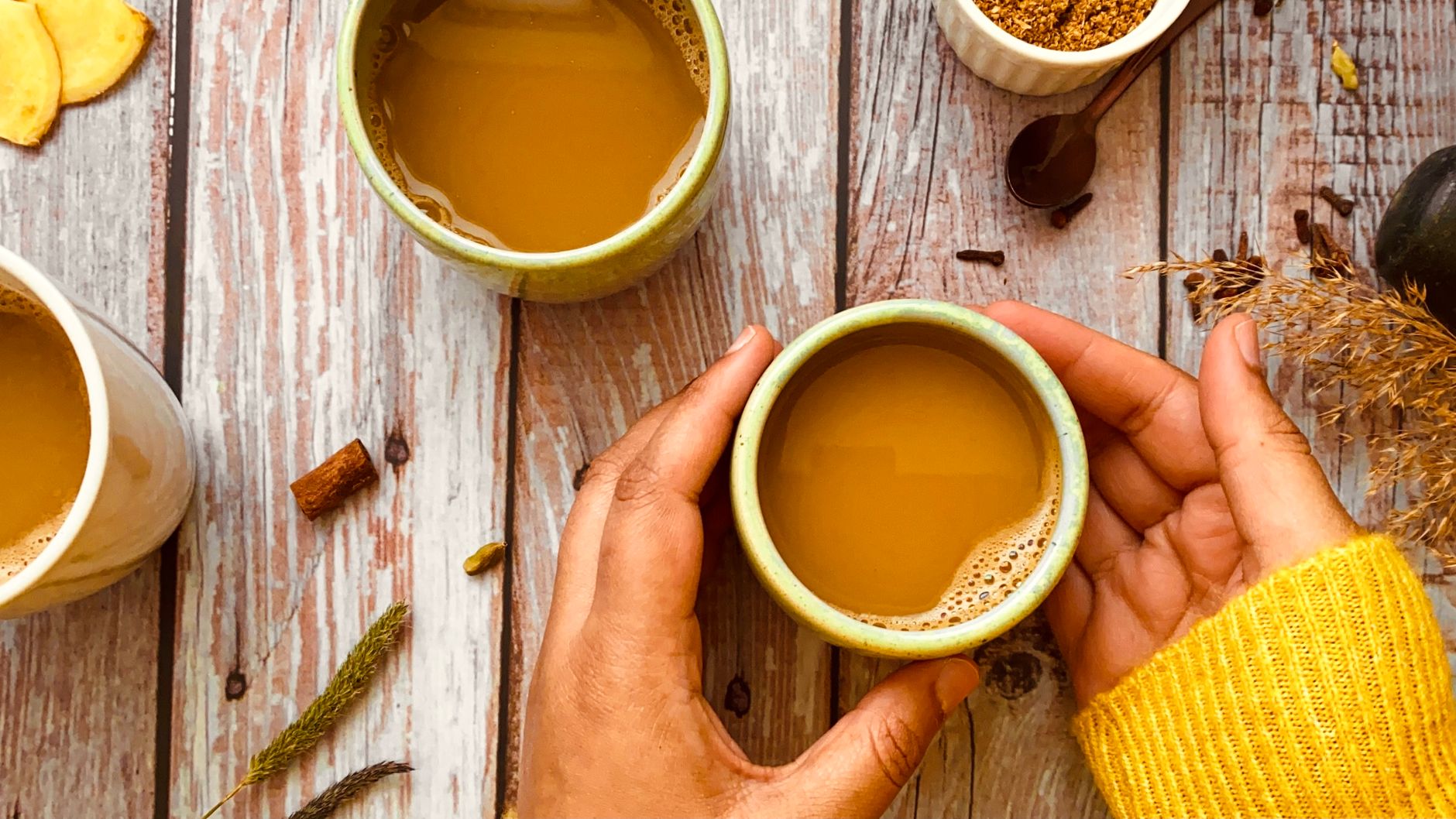
Ginger tea is acclaimed not only for its invigorating flavor but also for its potential health benefits. One such benefit that many people seek is relief from bloating, a common discomfort that can arise from various dietary and lifestyle factors. Understanding how ginger tea interacts with digestion may help you decide if it’s a suitable addition to your routines when bloated.
This article dives into the connection between ginger tea and bloating, exploring its properties, how to prepare it, and practical advice for incorporating this soothing beverage into your diet.
Does Ginger Tea Help with Bloating?
Yes, ginger tea can help alleviate bloating. Ginger contains compounds called gingerols and shogaols that have anti-inflammatory and digestive properties. These compounds may relax the intestinal muscles, improving the passage of gas and reducing discomfort caused by bloating.
Understanding Bloating
Bloating can occur for various reasons, from overeating and consuming carbonated beverages to dietary intolerances or consuming high-FODMAP foods. Symptoms typically include a feeling of fullness, tightness, or swelling in the abdomen.
While bloating is mostly harmless, it can be uncomfortable and may interfere with daily activities. Knowing how natural remedies like ginger tea can help soothe the digestive system is valuable for anyone who experiences this condition regularly.
The Benefits of Ginger
Ginger has been used for centuries in traditional medicine due to its numerous health benefits. Some key benefits that particularly relate to digestion and bloating include:
- Anti-inflammatory Effects: Ginger contains potent anti-inflammatory compounds that can help calm the digestive tract.
- Muscle Relaxation: The compounds in ginger may help relax the gut muscles, facilitating gas passage and reducing bloating.
- Stimulates Digestion: Ginger can promote the secretion of digestive enzymes, which may improve overall digestion and reduce the feeling of fullness.
- Reduces Gas: Ginger may help to alleviate gas buildup in the intestines, a common factor that contributes to bloating.
How to Prepare Ginger Tea
Making ginger tea is simple and requires just a few ingredients. Here’s a basic recipe that you can follow:
Ingredients
- 1-2 inches fresh ginger root
- 2 cups of water
- Honey or lemon (optional)
Essential Equipment
- Knife (for peeling and cutting ginger)
- Grater or peeler (optional, for shredded ginger)
- Small pot or saucepan
- Teapot or heat-resistant pitcher (optional)
- Strainer (if desired)
Preparation Method
- Start by peeling the ginger root. Use a spoon to scrape away the skin or a knife to cut it off.
- Slice or grate the ginger into thin pieces.
- In a small pot, bring two cups of water to a boil.
- Add the ginger to the boiling water and allow it to simmer for about 10-15 minutes, depending on how strong you want the flavor to be.
- Remove from heat and strain the tea into a cup or teapot. You can add honey or lemon for extra flavor, if desired.
- Enjoy your ginger tea while it’s warm for the best soothing effects on your digestive system.
Tips for Maximum Benefits
- Use fresh ginger for the best results. Dried ginger can also be used but may not have the same potency.
- Consider drinking ginger tea before or after meals to assist with digestion.
- Experiment with additional ingredients like peppermint or chamomile to create a digestive blend.
- Drink ginger tea in moderation; excessive amounts may lead to heartburn or other gastrointestinal discomfort.
Common Mistakes and Troubleshooting
When preparing ginger tea, a few common mistakes might reduce its effectiveness:
- Not using fresh ginger: Fresh ginger has more potent benefits than dried ginger. Always opt for fresh when possible.
- Boiling too long: Over-boiling ginger can lead to a bitter flavor. Stick to the recommended simmer time of 10-15 minutes.
- Ignoring your tolerance: Some people may experience discomfort due to ginger’s heat. Adjust the amount used according to your personal tolerance levels.
Alternatives and Variations
If ginger tea doesn’t suit your palate, there are several alternatives that can also aid bloating:
- Peppermint Tea: Peppermint has antispasmodic properties that can help relax the digestive system.
- Chamomile Tea: Known for its calming effects, chamomile can alleviate digestive distress and bloating.
- Dandelion Tea: Dandelion acts as a natural diuretic, which can help reduce water retention and bloating.
- Fennel Tea: Fennel seeds relieve gas and bloating due to their ability to relax gastrointestinal muscles.
Practical Tips for Managing Bloating
In addition to incorporating ginger tea into your diet, consider the following tips to help manage bloating:
- Stay Hydrated: Drinking water helps digestion and can reduce bloating.
- Avoid Carbonated Drinks: These can cause gas buildup, leading to bloating. Stick with still beverages when possible.
- Eat Smaller Meals: Consuming smaller, more frequent meals can help avoid overloading your digestive system.
- Monitor Food Intolerances: Keep a food diary to identify any foods that trigger bloating and eliminate them from your diet.
- Incorporate Fiber Gradually: Adding more fiber to your diet can improve digestion but should be done gradually to avoid gas buildup.
When to Consult a Healthcare Professional
Although ginger tea can be an effective remedy for occasional bloating, there are instances where you should consult a healthcare professional:
- If bloating is accompanied by severe abdominal pain, nausea, or vomiting.
- If your bloating persists despite dietary changes and home remedies.
- If you notice blood in your stool or experience unexpected weight loss.
- If you have other symptoms like fatigue or changes in appetite.
Incorporating Ginger Tea into a Balanced Diet
To maximize the benefits of ginger tea, consider incorporating it into a well-rounded diet. Here are some ideas for using ginger beyond tea:
- Add fresh ginger to smoothies or juices for an extra kick.
- Use grated ginger in stir-fries to enhance flavor and aid digestion.
- Infuse ginger into marinades for meats or fish for added zest.
- Make ginger-infused water by steeping ginger slices in cold water overnight.
Storage and Preparation Tips for Ginger
To get the most out of your ginger, proper storage techniques can help maintain its freshness:
- Keep fresh ginger in a cool, dark place or in the refrigerator to extend its shelf life.
- Consider freezing ginger in small pieces or grated form for easy use later on.
- When using dried ginger, store it in a sealed container away from light and humidity.
Conclusion
Ginger tea offers a natural and flavorful approach to alleviating bloating and improving digestion. By understanding its properties and incorporating it into your diet, you may find effective relief from this common discomfort. Consider not only drinking ginger tea but also exploring other digestive support strategies to create a holistic approach to managing bloating.
For related recipes and insights, explore our guides on making ginger syrup and brewing dandelion tea. These beverages may complement your efforts in managing digestion effectively.