
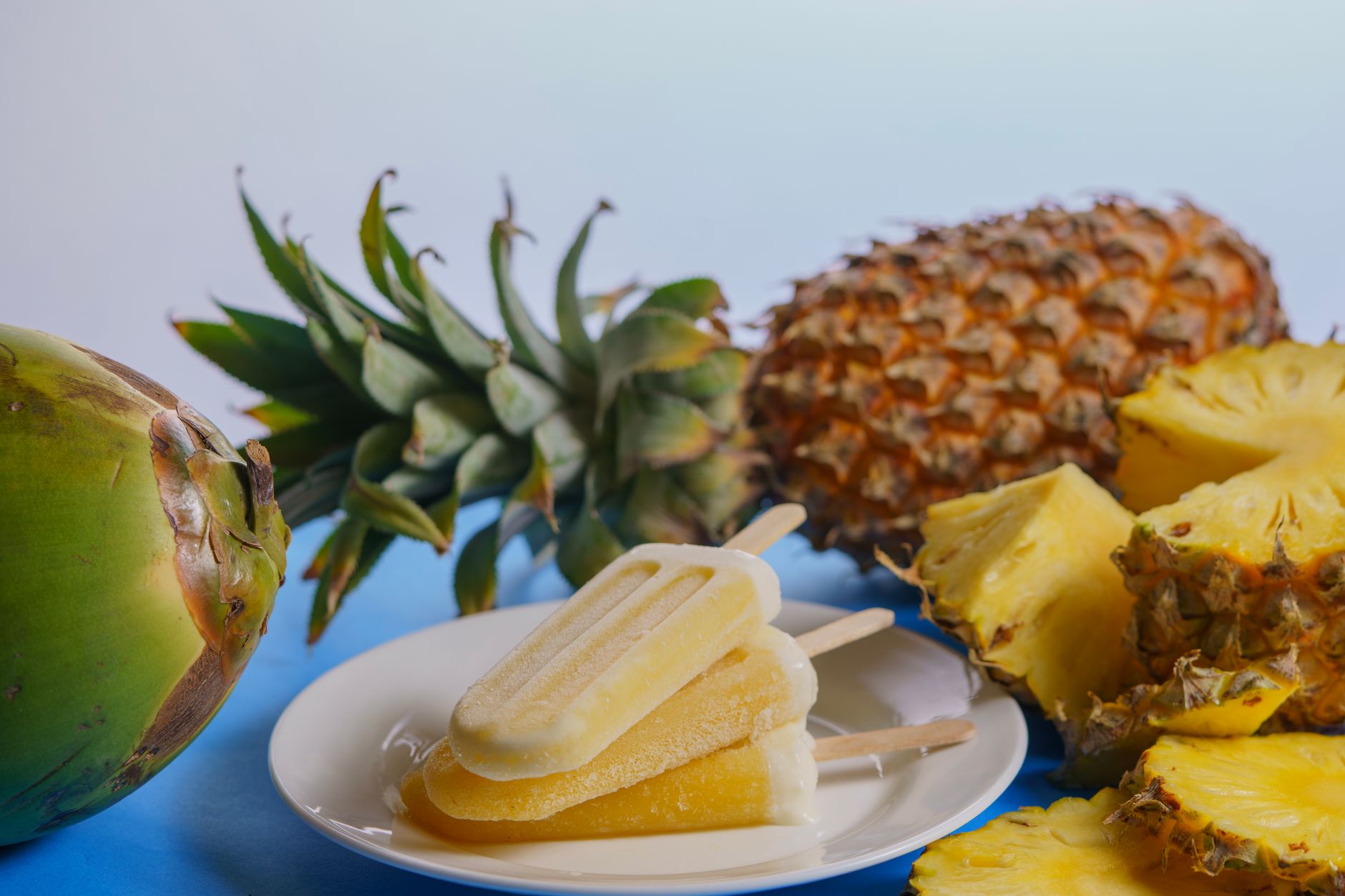
Pineapple is a tropical fruit known for its sweet flavor and juicy texture. It is not only delicious but also has various health benefits, mainly due to the enzyme bromelain. If you have ever wondered about the bromelain content in frozen pineapple, you’re not alone. This enzyme plays a crucial role in digestion and has anti-inflammatory properties.
In this article, we will explore whether frozen pineapple retains its bromelain content compared to fresh pineapple. Furthermore, we’ll delve into storage tips, culinary uses, and how to incorporate this vibrant fruit into your meals.
Does Frozen Pineapple Have Bromelain?
Yes, frozen pineapple does contain bromelain, although the levels may vary. The freezing process can slightly reduce the enzymatic activity, but overall, many beneficial properties of the pineapple remain intact. This means you can enjoy the advantages of bromelain from frozen pineapple in your meals and snacks.
What is Bromelain and What Are Its Benefits?
Bromelain is a natural enzyme found primarily in pineapple. It is extracted from both the fruit and the stem of the plant. This enzyme is renowned for its ability to break down proteins, which is why it’s often used as a meat tenderizer. Beyond culinary uses, bromelain has several purported health benefits:
- Anti-inflammatory Properties: Bromelain is believed to help reduce inflammation in the body, making it potentially beneficial for those experiencing conditions such as arthritis.
- Digestive Aid: As a proteolytic enzyme, bromelain may assist in digesting proteins, which can enhance digestive health.
- Immune System Support: Some studies suggest that bromelain may boost the immune system, helping the body fight off infections.
- Wound Healing: Bromelain has been used in certain medical contexts for its potential to aid in healing and reducing swelling related to surgery or injuries.
Choosing and Storing Pineapple
When it comes to selecting pineapple, whether fresh or frozen, quality matters. Here are tips on how to choose and store pineapple effectively:
Choosing Fresh Pineapple
- Look for a pineapple that has a firm shell and a sweet aroma.
- The leaves should be green and fresh-looking, not brown or wilted.
- It should feel heavy for its size, indicating juiciness.
Storage of Fresh Pineapple
If you purchase fresh pineapple, you can store it as follows:
- Keep whole pineapples at room temperature for up to two days. After this, refrigerate for up to five days.
- To maximize freshness, cut pineapple should be stored in an airtight container in the fridge for up to a week.
Choosing Frozen Pineapple
- Select frozen pineapple pieces that are bright in color and free from ice crystals, which can indicate thawing and refreezing.
- Avoid frozen fruit mixes if you want pure pineapple; look specifically for packs labeled as frozen pineapple.
Storage of Frozen Pineapple
Frozen pineapple can be stored conveniently:
- Keep it in the freezer at 0°F (-18°C) for the best quality.
- Make sure the bag or container is well-sealed to prevent freezer burn.
Using Frozen Pineapple in Recipes
Frozen pineapple is incredibly versatile and can be used in various dishes. Below are some popular ways to incorporate frozen pineapple into your meals.
1. Smoothies
Frozen pineapple is perfect for smoothies, providing natural sweetness and a tropical flavor. Here’s a simple smoothie recipe using frozen pineapple:
Ingredients
- 1 cup frozen pineapple chunks
- 1 banana
- 1 cup coconut milk or yogurt
- Optional: 1 tablespoon of honey or agave syrup to sweeten
Method
- In a blender, combine the frozen pineapple, banana, coconut milk, and sweetener if using.
- Blend until smooth and creamy.
- Adjust the consistency by adding more liquid if necessary.
- Pour into a glass, serve immediately, and enjoy!
2. Pineapple Fried Rice
This savory dish pairs well with the sweetness of pineapple. You can use frozen pineapple in this popular recipe.
Ingredients
- 2 cups cooked rice (preferably day-old for better texture)
- 1 cup frozen pineapple chunks
- 1 tablespoon vegetable oil
- 1 onion, diced
- 2 garlic cloves, minced
- 2 green onions, sliced
- 1 tablespoon soy sauce
- Salt and pepper to taste
Method
- Heat the vegetable oil in a large skillet over medium heat.
- Add onions and garlic, and sauté until softened.
- Stir in the cooked rice, followed by the frozen pineapple. Cook until heated through.
- Add soy sauce, and mix well; season with salt and pepper.
- Stir in sliced green onions, and serve hot.
3. Pineapple Bread
Pineapple can also add moisture and flavor to baked goods. This recipe for pineapple bread is an excellent use of frozen pineapple.
Ingredients
- 1 cup frozen pineapple, thawed and crushed
- 2 cups all-purpose flour
- 1 teaspoon baking soda
- 1 teaspoon baking powder
- ½ teaspoon salt
- 1 cup sugar
- ½ cup vegetable oil
- 2 eggs
- 1 teaspoon vanilla extract
Method
- Preheat the oven to 350°F (175°C) and grease a loaf pan.
- In a bowl, whisk together flour, baking soda, baking powder, and salt.
- In another bowl, mix sugar, oil, eggs, and vanilla until well combined.
- Add the dry ingredients to the wet ingredients and mix until just combined. Fold in the crushed pineapple.
- Pour the batter into the prepared loaf pan and bake for 50-60 minutes or until a toothpick comes out clean.
Pineapple in Other Culinary Uses
Beyond smoothies and baked goods, frozen pineapple can enhance various dishes. Here are some other ideas:
- Add it to salsa for a sweet and spicy kick, pairing excellently with grilled meats and tacos.
- Mix into yogurt or cottage cheese for a refreshing snack or breakfast option.
- Use in savory salads, such as a tropical chicken salad, for texture and flavor.
- Blend frozen pineapple into sauces or marinades for fish and chicken.
Potential Limitations of Bromelain in Frozen Pineapple
While frozen pineapple retains some bromelain, it’s important to note that the freezing process may reduce its enzyme activity. Here are some considerations:
- Frozen pineapple should still offer nutritional benefits, but the enzymatic properties may not be as robust as in freshly cut pineapple.
- Cooking processes can destroy bromelain; thus, using frozen pineapple in raw dishes maintains the enzyme’s benefits.
Common Questions About Bromelain and Pineapple
Can Bromelain Cause Allergies?
While rare, some individuals may experience allergic reactions to bromelain or pineapple. If you have had issues with these previously, consult a healthcare professional before consuming.
Can I Use Bromelain Supplements Instead?
Bromelain is available in supplement form. However, obtaining bromelain from natural sources like pineapple provides additional beneficial nutrients that supplements cannot replicate.
Does Cooking Pineapple Destroy Bromelain?
Yes, cooking pineapple does deactivate bromelain, so for maximum benefit, use frozen pineapple in raw applications or light cooking.
Conclusion
Frozen pineapple is a versatile ingredient that retains much of its flavor and nutritional benefits, including bromelain. By incorporating frozen pineapple into your meals, you can enjoy its sweetness and health advantages without the hassle of peeling and cutting fresh pineapple. Whether in smoothies, savory dishes, or baked goods, frozen pineapple is a fantastic ingredient to have on hand.
Explore more recipes and cooking tips by checking out our pineapple smoothie recipe or the delightful pineapple bread recipe for your next baking endeavor.