
Tequila is a beloved spirit with a rich history and unique production process. But have you ever wondered what exactly gives tequila its distinct flavor? The answer lies in the plant category of agave. This article delves into the various aspects of the agave plant, which is the sole contributor to the creation of tequila, exploring its characteristics, uses, and how it is served.
Understanding tequila begins with recognizing the plant that produces it. Agave is not just any plant; it’s a succulent that thrives in the arid landscapes of Mexico, primarily in the state of Jalisco. Here, we will explore the role of agave in tequila production, its varieties, the production process, and the many ways to enjoy this iconic spirit.
What Plant Makes Tequila?
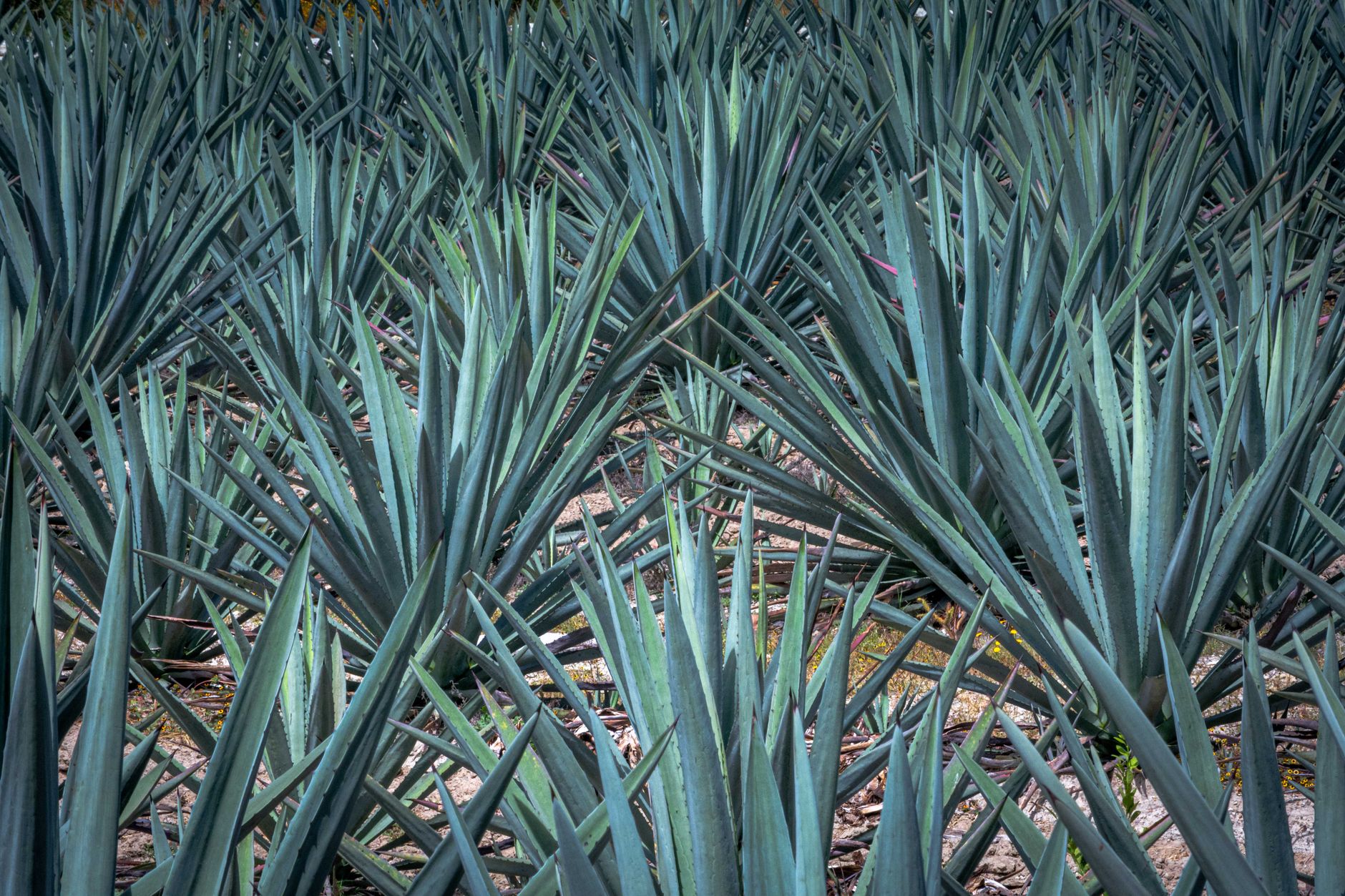
The plant that makes tequila is the blue agave, scientifically known as Agave tequilana. This succulent has a distinctive appearance, characterized by its spiky, serrated leaves and a stout, fleshy core known as the piña. The process of transforming this plant into tequila is intricate, involving careful cultivation and several stages of production.
The Blue Agave Plant
The blue agave plant is native to specific regions in Mexico and is cultivated in ideal environments where it can flourish. Here are some key details about the blue agave plant:
- Appearance: The blue agave has long, pointed leaves that can grow up to 7 feet long, forming a rosette pattern. Its leaves can vary in color from a vibrant green to a bluish hue.
- Growing Conditions: The plant thrives in rocky soils and requires minimal rainfall, making it well-suited to the climate of Jalisco.
- Harvesting Age: It takes about 7 to 10 years for the blue agave to mature before it can be harvested for tequila production.
The Tequila Production Process
The journey of the blue agave from plant to tequila involves several meticulous steps. Understanding each stage helps appreciate the craftsmanship behind this popular spirit.
1. Harvesting (Jimador)
The first step in tequila production is the harvesting of the agave, carried out by skilled workers known as jimadores. They expertly remove the spiky leaves to expose the piña, the core of the plant, which is rich in fermentable sugars. This step requires precision to avoid damaging the plant.
2. Cooking the Piñas
Once harvested, the piñas are cooked to convert the complex carbohydrates into fermentable sugars. Traditionally, this is done in large brick ovens or autoclaves where the piñas are steamed. The cooking process can take anywhere from 24 to 48 hours and is crucial for developing the flavors in the final product.
3. Extraction of Sugars
After cooking, the piñas are crushed to extract their juices, a process known as “molienda.” This can be done using large stone mills called tahonas or mechanical crushers. The extracted juice, known as “mosto,” is collected for fermentation.
4. Fermentation
The mosto is then fermented in large vats or barrels. During fermentation, natural or added yeasts convert the sugars into alcohol. This process typically lasts about 3 to 5 days and can produce a range of flavors depending on the strains of yeast used.
5. Distillation
Once fermentation is complete, the liquid undergoes distillation, usually twice. The first distillation, known as “ordinario,” occurs in pot stills or column stills. The second distillation purifies the spirit and increases its alcohol content, resulting in what is referred to as tequila.
6. Aging
Tequila can be enjoyed immediately after distillation, but certain types benefit from aging in wooden barrels. There are three primary categories of tequila based on aging:
- Blanco (Silver): Unaged tequila bottled immediately after distillation, offering a fresh, crisp flavor.
- Reposado: Aged for a minimum of two months up to a year in oak barrels, providing a smoother texture with subtle notes of wood.
- Añejo: Aged for at least one year, often up to three years, resulting in deeper, richer flavors and a darker color.
Flavor Profile and Characteristics
The flavor of tequila varies widely based on factors such as agave type, production methods, and aging. Blanco tequila tends to have a bright, earthy flavor, while reposado and añejo tequilas develop complex flavors from the oak barrels. Common tasting notes include:
- Earthy agave sweetness
- Floral and citrus aromas
- Vanilla and caramel from aging in barrels
- Spices like cinnamon and pepper
Uses of Tequila
Tequila is a versatile spirit that can be enjoyed straight, on the rocks, or as part of various cocktails. Here are some popular ways to use tequila:
1. Sipping Tequila
High-quality tequila, particularly añejo, is often sipped neat or on the rocks. This allows drinkers to savor the unique flavors developed during the production process. It is common practice to serve tequila with a side of lime and a pinch of salt.
2. Classic Cocktails
Tequila is a key ingredient in many beloved cocktails:
- Margarita: A classic cocktail made with tequila, lime juice, and orange liqueur, often served with salt on the rim.
- Tequila Sunrise: A refreshing drink made with tequila, orange juice, and grenadine, creating a visually stunning gradient.
- Paloma: A popular Mexican drink blending tequila, grapefruit soda, and lime juice for a fizzy treat.
3. Culinary Uses
Beyond drinks, tequila can enhance various culinary dishes. It can be used in marinades, glazes, or sauces for meats, adding a unique depth of flavor. Additionally, tequila can find its way into desserts, such as tequila-infused cakes or sorbets.
Serving Suggestions
The presentation of tequila can elevate the drinking experience. Here are a few serving suggestions:
- Chill it: Serve high-quality tequila cold, either by chilling the bottle or placing it in the freezer for a short time.
- Flavor pairings: Pair tequila with fresh citrus, spicy snacks, or tangy guacamole to enhance flavors.
- Glassware: Use traditional copitas or short tumblers for sipping, while stemmed glasses are ideal for cocktails.
Storing Tequila
Proper storage of tequila ensures that it maintains its flavor and quality over time. Here are some tips:
- Store bottles upright to prevent the cork from contaminating the spirit.
- Keep tequila in a cool, dark place away from direct sunlight.
- A sealed bottle of tequila can last indefinitely, but once opened, it is best consumed within a few years for optimal flavor.
Common Mistakes When Enjoying Tequila
While enjoying tequila can be an enjoyable experience, here are some common pitfalls to avoid:
- Chilling low-quality tequila: While some prefer chilled spirits, high-quality agave should be enjoyed at slightly cooler than room temperature.
- Poor cocktail ratios: Follow recipes accurately for balanced flavors in cocktails, adjusting ingredients as necessary.
- Neglecting to savor: Instead of rushing through, take the time to savor the aroma and taste of tequila for a more pleasurable experience.
Future of Agave and Tequila Production
The demand for tequila has risen significantly, leading to concerns over sustainable agave farming. The over-harvesting of blue agave poses a risk to its availability. Efforts are being made to promote sustainable practices in agave cultivation, ensuring its continued production in the future.
Conclusion
Tequila is not just a drink; it represents the careful cultivation of the blue agave plant and the dedication of artisans who produce it. Understanding the plant’s nuances, the production process, and the diverse ways to enjoy tequila can deepen your appreciation for this Mexican heritage. Whether you’re sipping it neat or mixing it into cocktails, tequila is a celebration of flavors and tradition.
Explore more about tequila cocktails through our recipes for a Tequila Sour and a Mezcalita, perfect for your next gathering.