
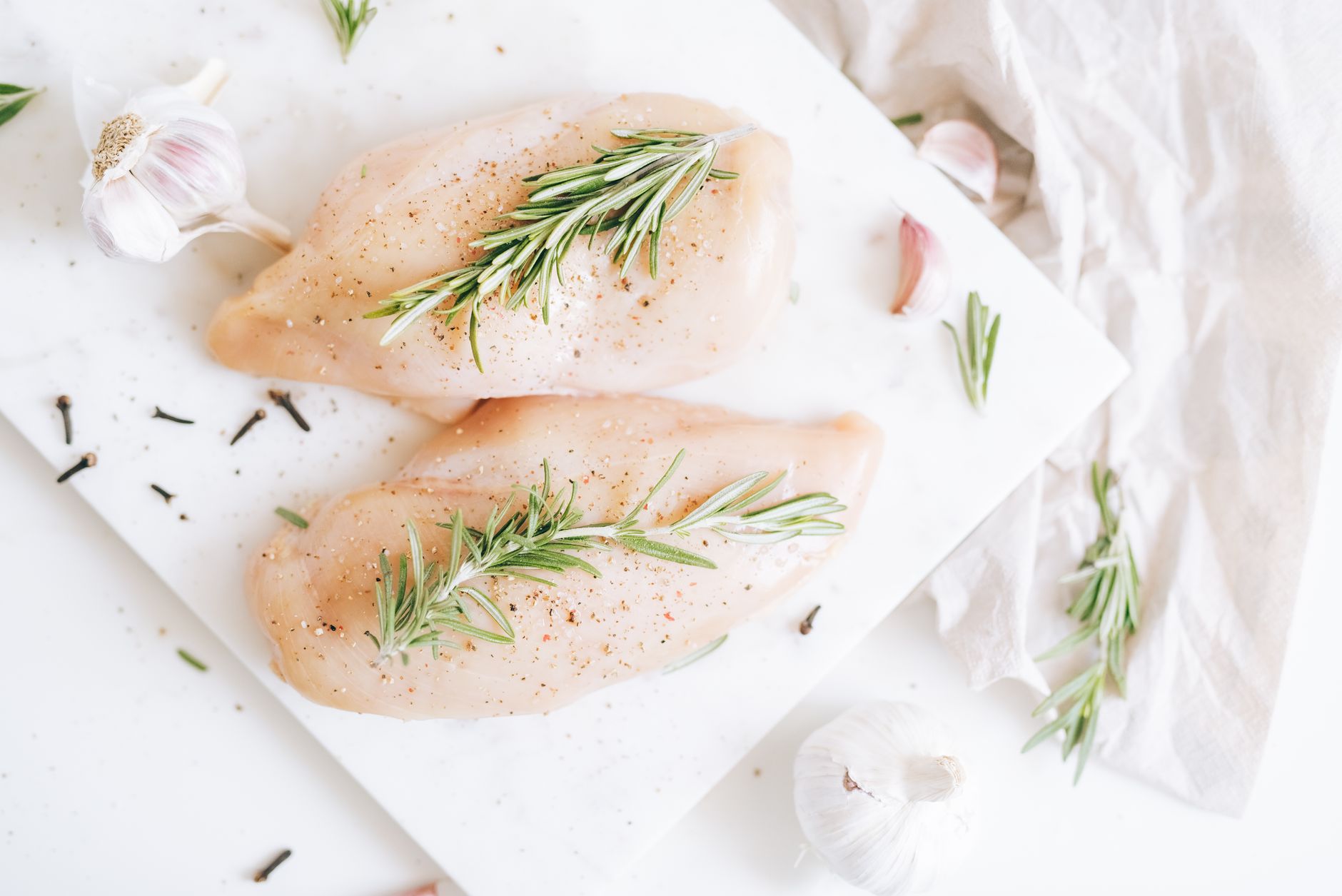
Cooking is a fundamental part of food preparation, yet many people may wonder about its effects on food safety, particularly regarding bacteria. Does cooking really kill harmful bacteria found in raw foods, or can they survive the heat? Understanding this concept is essential for ensuring your meals are safe and healthy.
This article explores how cooking kills bacteria, the temperatures required for different types of food, and practical food safety tips to help you handle and prepare your ingredients confidently.
Does Cooking Kill Bacteria?
Yes, cooking does kill bacteria present in food, provided that the food reaches the proper internal temperature for an adequate amount of time. Most harmful bacteria cannot survive high temperatures, making cooking an effective method for ensuring food safety.
The Science Behind Cooking and Bacteria
Understanding how cooking affects bacteria involves a basic grasp of heat and its impact on living organisms. When exposed to high temperatures, bacteria are damaged or destroyed. This thermal effect denatures proteins and disrupts cellular functions, leading to cell death.
Different types of bacteria have varying heat resistance. While some may die off at lower temperatures, others require a bit more heat to ensure their safe elimination. Most pathogenic bacteria, those that can cause illness, are killed at temperatures between 145°F (63°C) and 160°F (71°C).
The Importance of Correct Cooking Temperatures
To ensure that the food you prepare is free from harmful bacteria, it is crucial to cook it to the right minimum internal temperatures. Below are some guidelines for commonly cooked foods:
- Poultry (chicken, turkey, duck): 165°F (74°C)
- Ground meats (beef, pork, lamb, veal): 160°F (71°C)
- Beef, pork, lamb, and veal (steaks, roasts, chops): 145°F (63°C)
- Fish and shellfish: 145°F (63°C)
- Eggs: Cook until the yolk and white are firm, or 160°F (71°C) for dishes containing eggs.
How to Measure Cooking Temperatures Accurately
Using a food thermometer is the most reliable way to ensure your food has reached the appropriate internal temperature.
Follow these tips for accurate measurement:
- Insert the thermometer into the thickest part of the meat, avoiding bones and the cooking surface.
- Wait for the reading to stabilize; this may take a few seconds.
- For thin cuts of meat or seafood, insert the thermometer from the side for better accuracy.
Cooking Techniques That Kill Bacteria
Various cooking methods effectively kill bacteria. These methods create conditions that exceed the minimum temperatures necessary for safety. Here are some techniques:
Boiling
Boiling food at 212°F (100°C) for at least one minute can eliminate most bacteria, viruses, and parasites.
Grilling
Grilling involves high, direct heat that can reach temperatures well above the safe threshold, making it an effective method for cooking meats.
Baking and Roasting
Ovens provide an even and consistent cooking environment that helps ensure food reaches safe internal temperatures.
Stir-Frying and Sautéing
These methods use high heat and quick cooking times, which can kill bacteria effectively, especially when using fresh ingredients.
The Role of Cross-Contamination
Cooking alone may not guarantee food safety if proper handling techniques aren’t used. Cross-contamination can occur when raw foods come into contact with cooked or ready-to-eat foods. This can lead to the reintroduction of harmful bacteria.
To prevent cross-contamination, follow these guidelines:
- Use separate cutting boards for meat and vegetables.
- Wash hands, utensils, and surfaces that come into contact with raw foods thoroughly.
- Store raw meats in sealed containers on lower refrigerator shelves to avoid drips onto other foods.
Chilling and Reheating Safely
Properly chilling and reheating food plays a significant role in food safety. While cooking kills bacteria, improper cooling and reheating can allow them to thrive again.
Chilling
After cooking, foods should be cooled as quickly as possible. Bacteria can multiply rapidly at room temperature. Aim to chill foods within two hours to 40°F (4°C) or lower.
Reheating
When reheating food, ensure it reaches an internal temperature of at least 165°F (74°C) before consumption. This guarantees that any bacteria that might have grown during storage are killed.
Storage Guidelines for Leftovers
Leftover foods must be handled and stored correctly to prevent bacterial growth. Here are practical tips:
- Store leftovers in airtight containers to minimize exposure to air.
- Label containers with the date they were prepared to avoid keeping them too long.
- Refrigerate leftovers within two hours and consume within four days.
What Happens If You Don’t Cook Food Properly?
Not cooking food to the appropriate temperatures can result in foodborne illnesses. Symptoms may include nausea, vomiting, diarrhea, fever, and abdominal cramps. In severe cases, bacterial infections can lead to more serious health issues or hospitalization.
Common Foodborne Bacteria
Awareness of common pathogens associated with food can help frame your understanding of bacterial concerns in the kitchen. Here are a few prevalent foodborne bacteria:
- Salmonella: Often found in poultry, eggs, and unpasteurized dairy.
- Escherichia coli (E. coli): Commonly associated with undercooked ground beef and unwashed produce.
- Listeria: Can thrive in refrigerated conditions and is often found in deli meats and unpasteurized cheeses.
- Campylobacter: Frequently linked to raw or undercooked chicken.
- Clostridium perfringens: Often found in foods that are prepared in large quantities and kept warm for a long time before serving.
All About Food Safety Practices
Understanding proper food handling techniques is crucial for ensuring safety when cooking. Here are essential food safety practices you should adopt:
- Wash your hands with soap and water before and after handling food.
- Thaw frozen foods in the refrigerator, under cold water, or in the microwave—never at room temperature.
- Cook foods thoroughly based on appropriate guidelines.
- Store food safely to minimize the possibility of bacterial growth.
Practical Tips for Safe Cooking
Here are some additional tips to enhance food safety in your cooking routine:
- Invest in a reliable food thermometer to check the doneness of meats accurately.
- Follow “first in, first out” principles in storage to keep ingredients fresh and minimize waste.
- Avoid stuffing large turkeys or roasts to ensure even cooking throughout the meat.
Conclusion
Cooking is an effective method for killing bacteria when the food reaches the correct internal temperatures. However, to maintain food safety, attention must also be paid to proper handling techniques, cooling, and reheating practices. By following these guidelines, you can ensure that your meals are both delicious and safe to eat.
For more food safety tips and guidance, consider exploring resources such as how long is cooked ground beef good in the fridge or learning about how long cooked chicken lasts. These references can help you maintain the quality and safety of your cooked meals.