
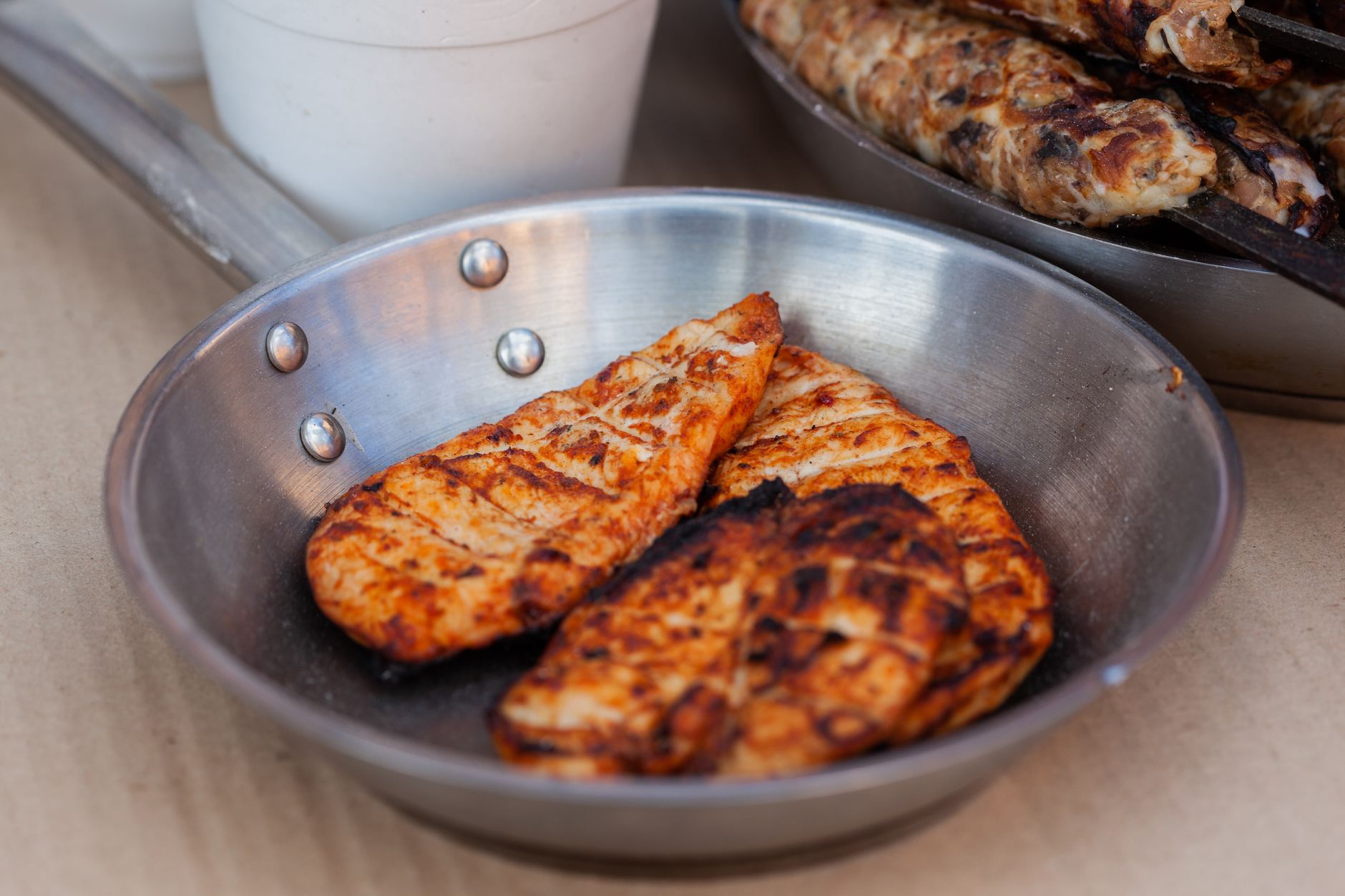
When it comes to understanding nutrition, particularly in the realm of protein sources, one common question arises: how many carbs are in chicken? This article delves into the carbohydrate content in various types of chicken, clarifying their nutrient profiles and discussing how this information can guide meal planning and dietary choices.
Chicken is a versatile and popular protein choice for many, celebrated for its flavor and adaptability in various dishes. Given that it is often incorporated into low-carb and high-protein diets, knowing the carb content can be especially useful for those monitoring their carbohydrate intake.
How Many Carbs Are in Chicken?
Generally, chicken contains very few carbohydrates. In fact, most cuts of chicken—whether roasted, grilled, or baked—are virtually carb-free, containing less than one gram of carbohydrates per serving. This makes chicken an excellent choice for low-carb diets. The specific carb content can vary slightly depending on the cooking method and any additional ingredients used.
Nutritional Breakdown of Chicken
Understanding the complete nutritional profile of chicken can help you make informed dietary choices. Here’s a quick overview of a standard serving size (3.5 ounces or 100 grams) of skinless, cooked chicken breast:
- Calories: Approximately 165
- Protein: About 31 grams
- Fat: Approximately 3.6 grams
- Carbohydrates: 0 grams
Other cuts of chicken, such as thighs or wings, have slightly different nutritional profiles, especially in terms of fat content, but typically they carry a similar carbohydrate count.
Types of Chicken and Their Carbohydrate Content
Chicken Breast
Chicken breast is one of the leanest cuts, making it a favorite among health-conscious individuals. As mentioned earlier, it contains an insignificant amount of carbohydrates—virtually zero. Chicken breast is also rich in protein, making it an ideal option for muscle building or those on high-protein diets.
Chicken Thighs
Chicken thighs are darker meat, which means they are higher in fat—leading to a juicier, richer flavor. However, similar to chicken breast, chicken thighs also contain very low levels of carbohydrates, typically around 0 grams per serving. The fat content is higher, but the carbohydrate count remains negligible.
Chicken Wings
Chicken wings, especially when fried or tossed in sauces, may be higher in calories due to oil or other ingredients but still have almost no carbohydrates. A traditional serving of wings has around 0 grams of carbohydrates, making them great for any low-carb meal plan, especially when served without breading or sugary sauces.
Ground Chicken
Ground chicken can vary in fat content depending on the part used (breast versus thigh). However, like whole cuts of chicken, it also boasts an extremely low carbohydrate count, usually ranging from 0 to 1 gram per serving. Ground chicken is ideal for burgers, meatballs, or stir-fry dishes.
Processed Chicken Products
It’s essential to note that processed chicken products such as nuggets, breaded cutlets, or chicken sausages may contain added carbohydrates due to breading, fillers, or sauces. Always check nutrition labels for accurate carb counts, as these can vary significantly from unprocessed chicken.
Cooking Methods and Their Impact on Carbohydrate Content
While the fundamental carbohydrate content in chicken is minimal, the cooking method can affect it when additional ingredients are included. Here are some common cooking methods and their impact on carbohydrate levels.
Grilling or Baking
Grilling or baking chicken without any added sauces or breading preserves its low-carb status. Seasonings (like herbs and spices) also usually do not add significant carbohydrates, making these cooking methods ideal for maintaining chicken’s natural nutrient profile.
Frying
Frying chicken, particularly if breaded or drenched in batter, can introduce added carbs. The carbohydrates will come primarily from the breading or any flours used in the frying process, elevating the carb count significantly.
Saucing
Adding sauces can also increase the carbohydrate content. Many store-bought sauces, especially barbeque or sweet and sour, contain sugars. Homemade sauces can be modified to fit low-carb diets by limiting sugar or using sugar substitutes.
Meal Planning with Chicken
When integrating chicken into your meal planning, consider the following tips for ensuring your meals stay low in carbohydrates:
- Choose unprocessed cuts of chicken—opt for skinless breasts, thighs, or whole chicken without breading.
- Incorporate plenty of low-carb vegetables, healthy fats, and spices to enhance flavors without adding carbs.
- Explore various cooking methods to keep the meals exciting, such as grilling, roasting, and stir-frying.
- Make sauces at home to control additional ingredients and sugar levels.
Common Mistakes to Avoid
While chicken is an excellent protein source with minimal carbs, there are common pitfalls to watch out for:
- Neglecting labels on processed chicken products which can contain hidden carbs.
- Assuming all chicken dishes are low-carb; consider sauces, breading, or sides that may elevate carb counts.
- Not balancing meals properly with veggies or healthy fats, focusing solely on protein.
Cooking Techniques for Chicken
When preparing chicken, various techniques can help you achieve delicious results while maintaining its nutritional integrity. Here’s a closer look at how to prepare chicken effectively:
Marination
Marinating chicken not only enhances flavor but can also protect it from drying out during cooking. Use olive oil, vinegar, and herbs for a low-carb marination option. Avoid sugary marinades that increase carb levels.
Roasting
- Preheat the oven to 425°F (220°C).
- Coat your chicken with olive oil and season with salt, pepper, and herbs.
- Place chicken in a roasting pan and bake for about 25-30 minutes or until it reaches an internal temperature of 165°F (75°C).
Grilling
- Preheat your grill to medium-high heat.
- Season your chicken with spices or a low-carb marinade.
- Cook on the grill for 6-8 minutes per side or until fully cooked.
Slow Cooking
Using a slow cooker can yield tender and flavorful chicken dishes. Just be cautious with additional ingredients such as sauces, which can increase carbs. For a low-carb slow-cooked chicken:
- Add chicken to the slow cooker with herbs, spices, onions, and garlic.
- Cook on low for 4-6 hours or high for 2-3 hours.
- Shred the chicken and serve with low-carb veggies.
Storage and Reheating of Chicken
Safe storage and reheating of chicken are essential for maintaining its quality and safety:
- Store cooked chicken in an airtight container in the refrigerator for up to four days.
- For longer storage, freeze cooked chicken, which can last up to six months.
- When reheating, ensure the chicken reaches an internal temperature of at least 165°F (75°C) for safe consumption.
Conclusion
Chicken remains an incredibly versatile and low-carb protein option, perfectly suited for various dietary preferences and meal plans. By understanding the different types of chicken, cooking methods, and potential pitfalls, you can craft delicious, balanced meals that align with your nutritional goals. Whether you are grilling chicken on the weekend or whipping up a quick stir-fry, the possibilities are endless!
For further insights on chicken preparation, consider checking out how long cooked chicken lasts or explore our guide on making chicken stock to add flavor to your dishes.