
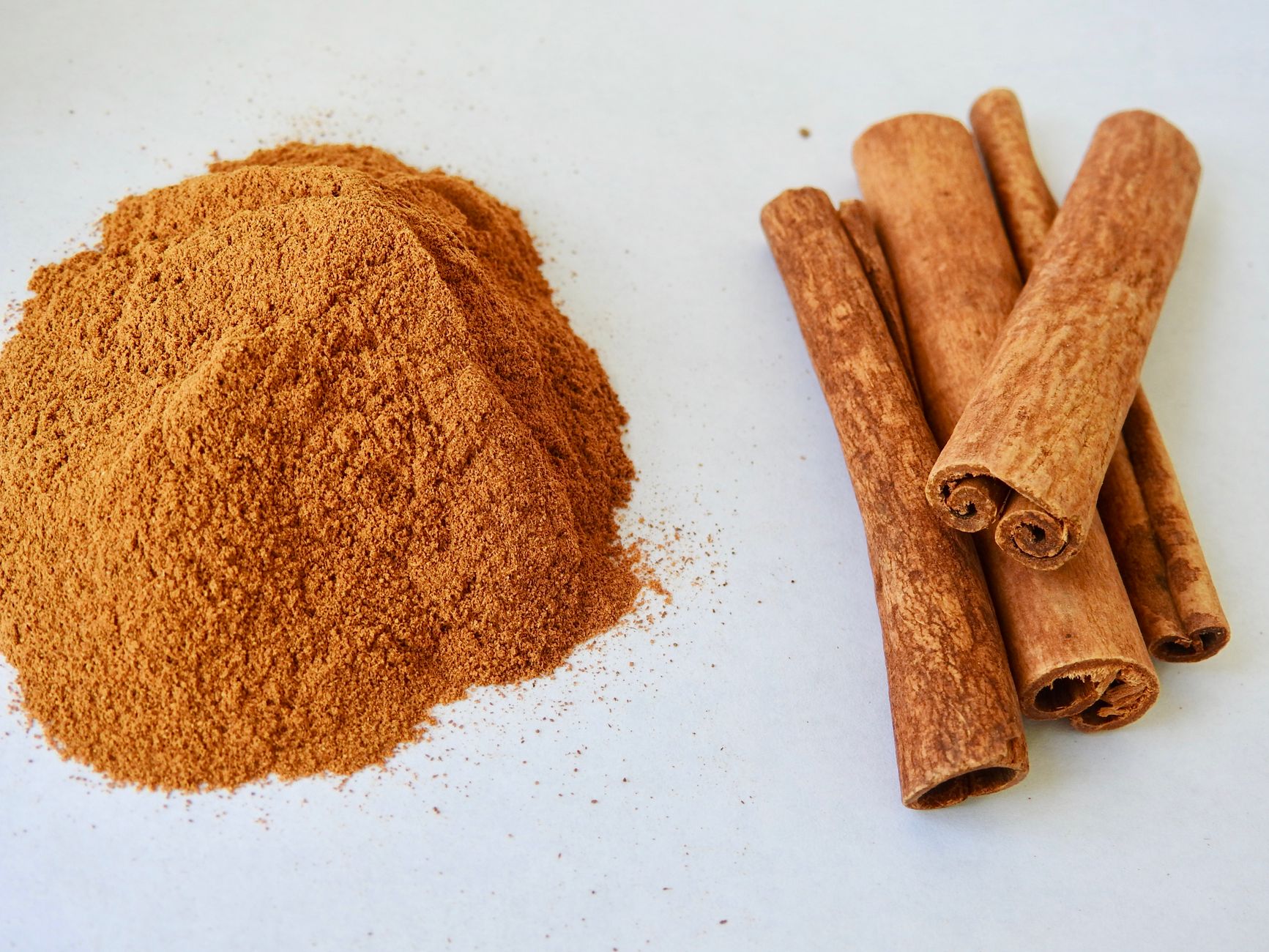
Cinnamon powder is a beloved spice known for its aromatic flavor and versatility in both sweet and savory dishes. But if you’re watching your calorie intake or simply curious about its nutritional content, you might wonder: does cinnamon powder have calories? In this article, we will examine the calorie content of cinnamon powder, explore its nutritional benefits, and discuss portion sizes to help you make informed choices.
With its rich history of culinary uses, cinnamon powder adds warmth to recipes ranging from baked goods to beverages. Understanding its calorie content is essential for those managing dietary goals or simply seeking to enhance their meals with this flavorful spice. Let’s delve into the details!
Does Cinnamon Powder Have Calories?
Yes, cinnamon powder does have calories, albeit a relatively low amount. One teaspoon (approximately 2.6 grams) of ground cinnamon contains about 6 calories. This small amount makes it easy to incorporate cinnamon into your diet without significantly impacting your overall caloric intake.
Nutritional Breakdown of Cinnamon Powder
Beyond calories, understanding the nutritional profile of cinnamon powder can help you appreciate its value as a seasoning. Here’s a closer look at the key nutrients found in cinnamon powder:
- Calories: Approximately 6 calories per teaspoon
- Carbohydrates: About 2 grams per teaspoon
- Fiber: Around 1 gram per teaspoon
- Fat: Negligible amounts, typically less than 0.1 grams
- Protein: Approximately 0.1 grams per teaspoon
- Calcium: Roughly 26 milligrams, contributing to your daily calcium intake
- Iron: About 0.2 milligrams
- Manganese: Contains significant amounts that aid in various bodily functions
Caloric Values and Serving Sizes
When looking at calories, it’s essential to consider typical serving sizes. Most recipes that include cinnamon will use it in small quantities, often measured in teaspoons or tablespoons. Here is a breakdown of typical serving sizes:
- 1 teaspoon: Around 6 calories
- 1 tablespoon: Roughly 18 calories (3 teaspoons)
- 1 ounce (28 grams): Approximately 100 calories (this is usually more than you’d use in one recipe)
Understanding these serving sizes will help you gauge how much cinnamon you can incorporate into your meals while keeping your caloriеs in check.
Health Benefits of Cinnamon Powder
Aside from its culinary appeal, cinnamon powder has been studied for various health benefits. While these benefits may not directly impact its caloric value, they add to its overall appeal:
- Antioxidant Properties: Cinnamon is rich in antioxidants, which help reduce oxidative stress in the body.
- Anti-Inflammatory Effects: Consuming cinnamon may help reduce inflammation, contributing to better overall health.
- Blood Sugar Control: Some studies suggest that cinnamon may help manage blood sugar levels in people with type 2 diabetes.
- Aiding Digestion: Cinnamon can support digestive health and may alleviate gastrointestinal discomfort.
While these benefits are promising, it’s crucial to remember that cinnamon should complement a balanced diet and should not be relied upon as a sole treatment for any health condition.
Using Cinnamon Powder in Your Cooking
Adding cinnamon powder to your meals can be both delicious and beneficial. Here are some practical ways to incorporate it into your diet:
In Baking
Cinnamon powder is a staple in baked goods, providing warmth and depth to dishes such as:
- Cinnamon rolls
- Apple pie
- Pancakes and waffles
When baking, consider the recipe requirements and adjust portion sizes accordingly. A little goes a long way in terms of flavor and aroma.
In Beverages
Cinnamon is fantastic in drinks as well:
- Cinnamon-spiced coffee: A sprinkle can enhance your morning brew.
- Chai tea: Often includes cinnamon as a key ingredient for warmth and spice.
- Smoothies and shakes: Adding a pinch can boost the flavor profile.
In Savory Dishes
While mostly used in sweet applications, cinnamon can also shine in savory meals:
- Curries: Adding depth to spice blends for comfort food.
- Chili: A hint of cinnamon can balance flavors in spicy dishes.
- Roasted vegetables: Cinnamon can enhance the sweetness of roasted roots.
Portion Control and Practical Tips
When incorporating cinnamon into your dishes, portion control is key to keeping calories low. Here are some tips to help you enjoy this spice without overdoing it:
- Measure accurately: Use measuring spoons to avoid excessive amounts.
- Start small: If you’re new to using cinnamon, start with a small amount and incrementally adjust based on taste.
- Balance flavors: When adding cinnamon to savory dishes, ensure it complements rather than overwhelms the other flavors.
Being mindful of how much you use allows you to enjoy the unique flavor of cinnamon while keeping your meals nutritious.
Cinnamon Powder Substitutes
If you find yourself without cinnamon powder or wish to try something different, there are suitable substitutes to consider:
- Allspice: This spice mimics the flavor profile of cinnamon and works well in baked goods.
- Nutmeg: Offers a warm flavor but more intensity; use less in recipes.
- Pumpkin pie spice: Typically contains cinnamon, nutmeg, and cloves; will add a similar warmth to desserts.
- Cinnamon sticks: If you have whole cinnamon, grind it to achieve a fine powder.
Keep in mind that while these substitutes can provide similar flavors, the results may vary slightly in intensity.
Potential Risks and Considerations
While cinnamon is generally safe in culinary amounts, it’s essential to be aware of a few considerations:
- Cassia vs. Ceylon: Most ground cinnamon sold in stores is Cassia cinnamon, which contains coumarin, a compound that can be harmful in large doses. Ceylon cinnamon has lower levels of coumarin.
- Allergies: Some individuals may be allergic to cinnamon, resulting in skin or digestive reactions.
- Medication interactions: Cinnamon may interfere with certain medications, particularly anticoagulants. Consult with a healthcare provider if you have concerns.
It’s advisable to use cinnamon in moderation and discuss incorporating it into your diet with a healthcare professional if you have specific health issues.
Storage and Shelf Life
To maintain the quality and flavor of your cinnamon powder, follow these storage guidelines:
- Keep it airtight: Store cinnamon in an airtight container to prevent moisture and pests.
- Cool, dark place: Keep the spice in a cool, dark area away from direct sunlight and heat sources.
- Check freshness: Ground spices, including cinnamon, typically remain fresh for up to 6 months, while whole spices can last longer.
Regularly checking for changes in aroma or taste will help you determine if it’s time to replace your cinnamon powder.
Conclusion
To summarize, cinnamon powder does contain calories, but in small amounts that can easily fit into most diets. With its myriad of culinary uses, health benefits, and potential substitutes, cinnamon is a versatile spice that enhances flavors without a significant caloric load. Just be mindful of portion sizes to enjoy its richness in a healthy way.
Now that you understand the caloric content of cinnamon powder and how to use it in your cooking, consider exploring some delicious recipes. Check out this cinnamon roll cheesecake recipe or try making Dollywood cinnamon bread for a sweet treat infused with the enchanting flavor of cinnamon.