
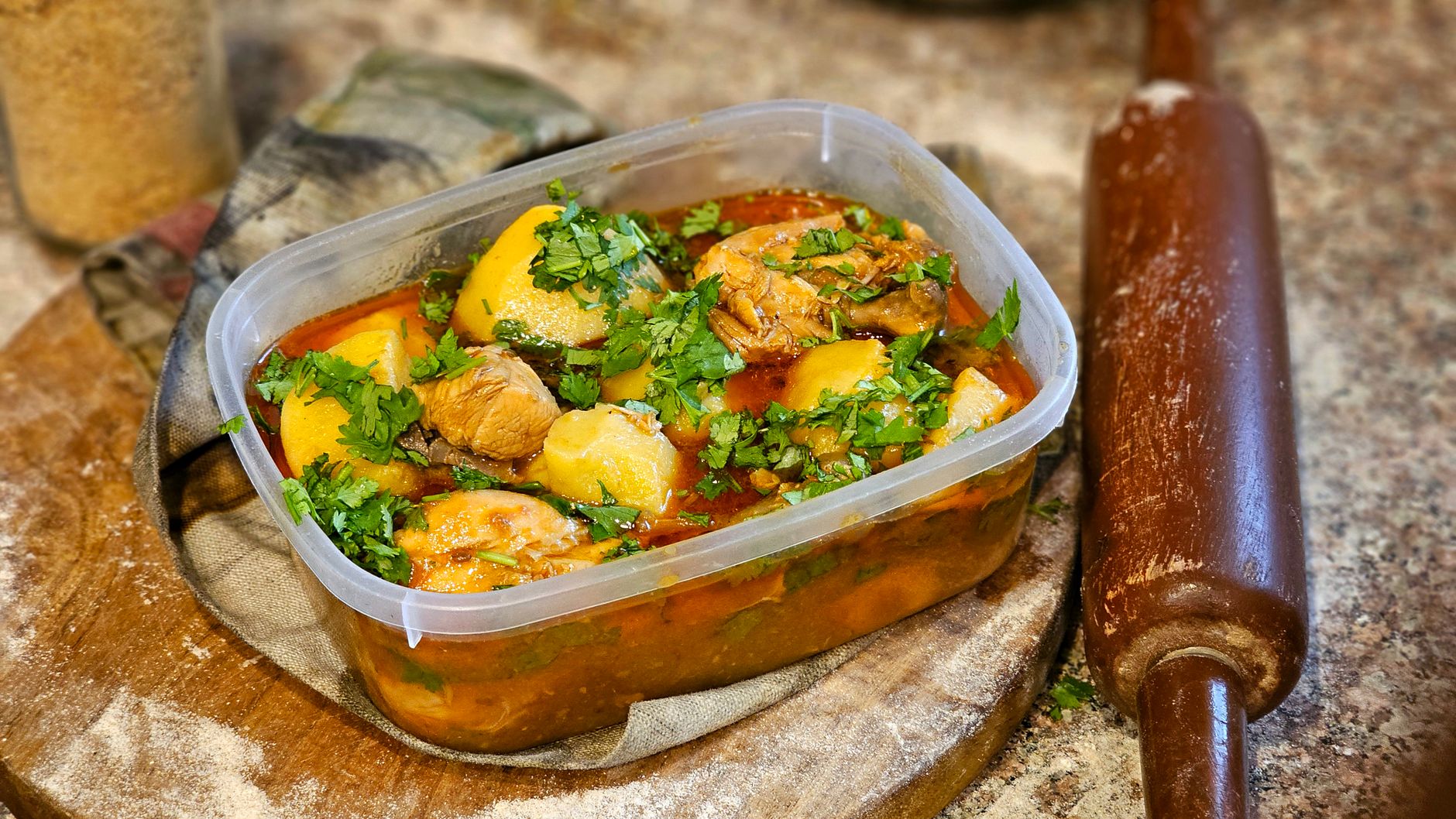
In today’s culinary landscape, chicken bouillon has become a staple ingredient for many home cooks and chefs alike. Its concentrated flavor can enhance soups, stews, and sauces, offering convenience and depth to countless dishes. However, for individuals with gluten sensitivities or celiac disease, a critical question arises: does chicken bouillon have gluten?
This detailed guide explores the gluten content in chicken bouillon, focusing on how to assess the safety of different brands, what to look for on labels, and practical tips for those looking to avoid gluten in their cooking.
Does Chicken Bouillon Have Gluten?
Chicken bouillon can both contain gluten or be gluten-free, depending on the brand and specific ingredients used in its formulation. Many commercial chicken bouillon products use gluten-containing additives like hydrolyzed wheat protein for flavor enhancement. However, there are also several brands that produce gluten-free chicken bouillon specifically for those with dietary restrictions.
Understanding Gluten and Its Sources
Gluten is a protein found in wheat, barley, and rye, and it can cause adverse reactions in people with gluten-related disorders, such as celiac disease or non-celiac gluten sensitivity. Gluten is frequently used as a stabilizer or thickening agent in many processed foods, leading to the importance of understanding its presence in various products, particularly bouillon.
How to Check for Gluten in Chicken Bouillon
When shopping for chicken bouillon, it’s essential to examine product labels closely. Here’s what to look for:
- Ingredient List: Review all ingredients. Avoid any bouillon that lists wheat, barley, or rye ingredients, as these are gluten sources.
- Certified Gluten-Free: Look for products clearly labeled as “gluten-free.” This certification ensures the product has been tested and meets safety standards for gluten-free consumption.
- Manufacturer’s Information: If in doubt, visit the manufacturer’s website or contact their customer service for detailed information about gluten content.
Common Ingredients in Chicken Bouillon
Chicken bouillon typically comprises several key ingredients, including:
- Chicken broth or stock
- Salt
- Dehydrated vegetables (such as onion, garlic, and celery)
- Seasonings (including herbs and spices)
- Flavor enhancers (which may include gluten, such as hydrolyzed wheat protein)
- Monosodium glutamate (MSG) or other flavoring agents
Understanding these components allows you to better evaluate which bouillon products might suit your dietary needs.
Popular Gluten-Free Chicken Bouillon Brands
Numerous brands offer gluten-free chicken bouillon options. Here are a few popular choices:
- Better Than Bouillon: This brand offers several flavors, many of which are gluten-free. Always confirm by checking the label.
- Knorr: Their gluten-free bouillon cubes are widely available. Carefully check the packaging to ensure you have the correct version.
- Swanson: Swanson sells gluten-free broth options. Choose the ones specifically labeled as gluten-free.
- Pacific Foods: Known for its organic products, Pacific Foods offers gluten-free stock and bouillon selections.
How to Make Your Own Chicken Bouillon
Making homemade chicken bouillon is an excellent way to control the ingredients and ensure that it is gluten-free. Here’s a simple method to create your own chicken bouillon:
Ingredients Needed
- 1 pound of chicken carcass or bones
- 4 cups of water
- 1 onion, quartered
- 2 carrots, chopped
- 2 celery stalks, chopped
- 2 garlic cloves, crushed
- Fresh herbs (such as thyme, parsley, or bay leaf)
- Salt to taste
Essential Equipment
- Large pot or stockpot
- Strainer or fine mesh sieve
- Storage containers
Step-by-Step Instructions
- Place the chicken carcass or bones in a large pot and add the water.
- Add the onion, carrots, celery, garlic, herbs, and salt to the pot.
- Bring the mixture to a boil, then reduce the heat to a simmer.
- Let the broth simmer for at least 2 hours; longer is better for flavor.
- After simmering, strain the broth using a fine mesh sieve to remove solids.
- Allow the broth to cool and store it in airtight containers in the refrigerator or freezer.
Practical Tips for Using Bouillon in Cooking
Chicken bouillon can add depth and flavor to a variety of dishes. Here are some practical usage tips:
- Soups and Stews: Add bouillon to enhance the flavor base of any soup or stew.
- Rice and Grains: Use bouillon instead of water when cooking rice, quinoa, or other grains to impart extra flavor.
- Sauces and Gravies: Incorporate bouillon when making sauces to increase richness.
- Vegetables: Add bouillon to sautéed vegetables or during the cooking process to enrich the flavors.
Common Mistakes to Avoid
While using chicken bouillon can enhance your cooking, it’s crucial to avoid some common mistakes:
- Adding too much: Bouillon is concentrated; use it sparingly to avoid overpowering your dish.
- Neglecting the label: Always review the ingredients to ensure the product suits your dietary needs.
- Using expired bouillon: Check expiration dates, as old bouillon may lose its flavor and effectiveness.
Allergy Considerations and Best Practices
If you or someone in your household has gluten allergies, consider the following best practices:
- Always store gluten-free products separately to avoid cross-contamination.
- Use dedicated cooking utensils and surfaces when preparing meals to prevent gluten exposure.
- When dining out or using bouillon in a communal space, always ask about gluten ingredients and preparations.
How to Store Chicken Bouillon
Proper storage is essential to maintain the quality of chicken bouillon:
- Store homemade bouillon: Keep it in airtight containers in the refrigerator for up to one week or in the freezer for three to four months.
- Commercial bouillon: Ensure the product is unopened and stored in a cool, dry place. Once opened, follow the manufacturer’s recommendations for storage.
Final Thoughts
Chicken bouillon can be a valuable ingredient for enhancing flavors in your cooking, but it’s vital to recognize that not all bouillon products are gluten-free. By carefully reviewing labels and understanding the ingredients, you can select options that align with your dietary needs.
Whether you opt for commercial bouillon or prepare your own at home, knowing the guidelines ensures that your culinary endeavors are both flavorful and safe.
If you are interested in exploring more ways to use broth in your cooking, check out our article on the difference between chicken bouillon and chicken broth, or visit for a delicious turkey broth recipe that will enhance your holiday meals.