
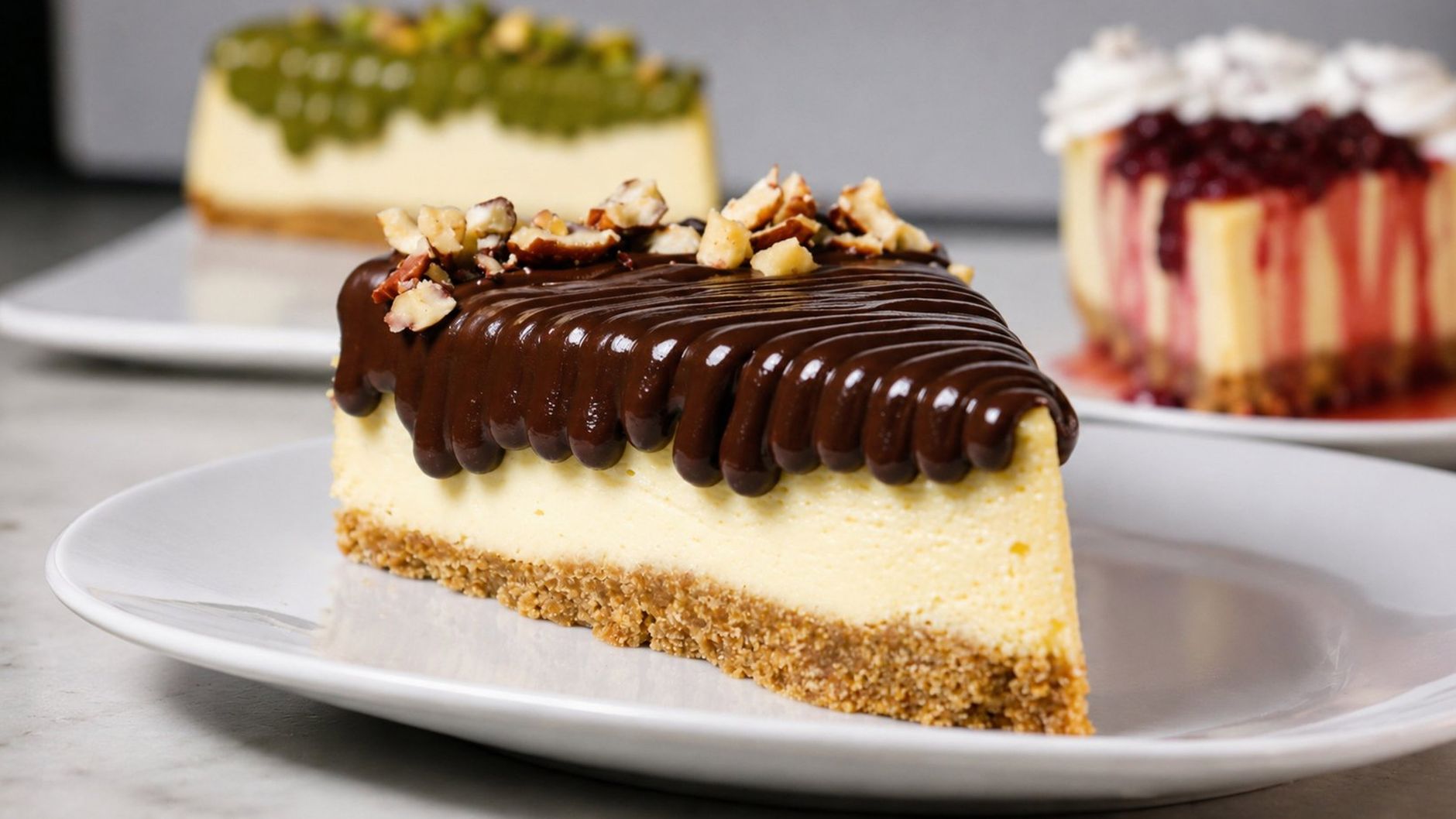
Cheesecake is a beloved dessert known for its creamy texture and rich flavor. It’s a versatile dish that can be made in various styles, from classic New York cheesecake to no-bake variations. But once you’ve prepared or purchased a cheesecake, you might wonder about its storage. Specifically, does cheesecake need to be refrigerated?
The short answer is yes—cheesecake should be refrigerated. The combination of cream cheese, eggs, and other perishable ingredients makes it susceptible to spoilage when left at room temperature. Proper refrigeration not only prolongs its freshness but also helps maintain its delicious texture and flavors.
Does Cheesecake Need to Be Refrigerated?
To ensure the safety and quality of cheesecake, it should always be stored in the refrigerator. Cheesecake typically contains dairy products, which can spoil if left out for extended periods. Bacteria can grow rapidly on dairy, especially in warm environments, making it essential to keep cheesecake chilled.
The United States Department of Agriculture (USDA) recommends that perishable foods, including cheesecakes, should not be left out at room temperature for more than two hours. If it’s a hot day and temperatures exceed 90°F (32°C), that time reduces to just one hour. Thus, refrigerating cheesecake is important to avoid any food safety issues.
Why Refrigeration Is Important
The main ingredients in cheesecake, such as cream cheese, sour cream, and eggs, require refrigeration to stay fresh. Here are a few reasons why you should refrigerate cheesecake:
- Prevention of Spoilage: Dairy products can spoil quickly if not refrigerated, leading to unpleasant flavors and textures.
- Bacterial Growth: Leaving cheesecake at room temperature can promote the growth of harmful bacteria, resulting in foodborne illnesses.
- Maintaining Texture: Refrigeration keeps the cheesecake firm and prevents it from becoming too soft or runny.
- Flavor Preservation: Keeping cheesecake cold helps retain its rich flavors and prevents it from developing off-tastes.
How to Properly Store Cheesecake
Proper storage is key to extending the shelf life of your cheesecake. Whether homemade or store-bought, follow these best practices:
1. Refrigeration Method
Most cheesecakes benefit from being stored in the refrigerator. Here’s how to do it:
- Allow the cheesecake to cool completely at room temperature, especially if it was just baked. This helps prevent condensation from forming.
- Wrap the cheesecake tightly in plastic wrap or aluminum foil. This minimizes exposure to air, which can cause freezer burn or drying out.
- If you have a springform pan, you can also cover the top with plastic wrap or place it in an airtight container.
- Store the cheesecake in the refrigerator. The ideal temperature for refrigeration is 34°F to 38°F (1°C to 3°C).
2. Freezing Cheesecake
If you want to store cheesecake for an even longer duration, you can freeze it. Here’s how:
- Like before, allow the cheesecake to cool completely.
- Wrap the cheesecake tightly with plastic wrap, ensuring there is no air trapped. Follow up with a layer of aluminum foil for extra protection.
- Label the wrapped cheesecake with the date and type for easy identification.
- Place it in the freezer. Cheesecake can be frozen for up to three months.
3. Thawing Cheesecake
When you’re ready to enjoy your frozen cheesecake, follow these steps to thaw:
- Remove the cheesecake from the freezer and take off the wrapping.
- Place the cheesecake in the refrigerator for several hours or overnight to thaw gradually.
- For quicker thawing, you can leave it at room temperature for about 30 minutes but do not exceed two hours.
How Long Does Cheesecake Last in the Refrigerator?
When properly stored in the refrigerator, cheesecake can last:
- Homemade Cheesecake: 3 to 5 days
- Store-Bought Cheesecake: Check the sell-by date, but usually lasts 5 to 7 days once opened
Over time, you may notice that cheesecake loses its original texture and flavor, becoming drier or denser. Always conduct a smell and sight check before consuming leftover cheesecake.
Common Mistakes in Cheesecake Storage
While cheesecake storage might seem straightforward, avoiding a few common pitfalls can prevent unwanted spoilage:
- Leaving cheesecake out for too long: Always refrigerate or freeze cheesecake promptly to avoid ruining it.
- Not allowing the cheesecake to cool completely: Placing warm cheesecake in the refrigerator can create condensation, leading to sogginess.
- Failing to wrap cake thoroughly: Leaving it uncovered can cause the cheesecake to dry out or absorb odors from the refrigerator.
- Cross-contaminating with other foods: Store it away from strong odors, as cheesecakes can absorb those, affecting their flavor.
When Should I Discard Cheesecake?
It’s essential to know when to discard cheesecake to avoid any health risks. Signs that cheesecake may have gone bad include:
- Off or sour smell: A rancid smell indicates spoilage.
- Change in color: Any discoloration may indicate mold or spoilage.
- Visible mold: If you see any mold on the surface, it’s time to throw it away.
- Slime or excessive moisture: A wet or slimy texture indicates that the cake has deteriorated.
Creative Ways to Use Leftover Cheesecake
Instead of reluctantly tossing leftover cheesecake, get creative! Here are some fun ideas to repurpose it:
- Cheesecake Trifle: Crumble leftover cheesecake and layer it with whipped cream and your choice of fruits in a glass.
- Cheesecake Milkshake: Blend pieces with ice cream and milk for a delicious shake.
- Cheesecake Bites: Cut the cheesecake into bite-sized pieces, dip in chocolate, and refrigerate until set for a tasty treat.
- Cheesecake Waffles: Mix crumbled cheesecake into waffle batter for a unique breakfast twist.
Variations of Cheesecake and Their Storage Needs
Different types of cheesecakes, from baked to no-bake, might have slightly different storage needs. Here’s a breakdown:
Baked Cheesecake
Standard baked cheesecakes made with cream cheese and eggs should always be refrigerated. They typically last 3 to 5 days in the fridge, and freezing is a fantastic option for longer storage.
No-Bake Cheesecake
No-bake cheesecakes usually contain whipped cream and gelatin. They should also be refrigerated, lasting about 2 to 4 days in the fridge. Freezing is possible but may alter the texture, so it’s best to enjoy no-bake cheesecakes fresh.
Fruit Topped Cheesecake
For cheesecakes topped with fresh fruit, it’s crucial to refrigerate them promptly. Fruit toppings can promote faster spoilage, so consume within 2 to 3 days.
Vegan Cheesecake
Vegan cheesecakes, often made from cashews or coconut, follow the same storage guidelines. They should be refrigerated and can usually last 4 to 7 days in the fridge. Freezing them is also a viable option.
Final Thoughts on Cheesecake Storage
Proper storage is paramount for preserving the flavor, texture, and safety of cheesecake. Always refrigerate cheesecake, whether homemade or store-bought, and follow best practices for freezing and thawing if necessary. Keeping an eye on the expiration dates and signs of spoilage can help you make the most of your delicious dish.
Now that you know how to store cheesecake effectively, try exploring other delightful cheesecake recipes, such as this banana cheesecake recipe or a cherry cheesecake recipe to expand your dessert repertoire!